


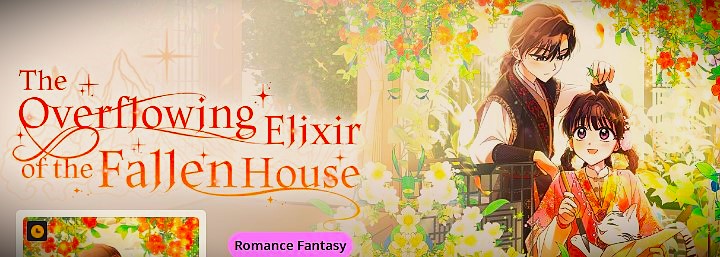
Introduction: Entering the Fallen House
From the very first page, the novel establishes a mood of decline and unease. The “Fallen House” is not merely a crumbling estate—it is a metaphorical structure representing a fractured lineage, deteriorating morality, and the psychological collapse of its inhabitants. The “Overflowing Elixir” appears at first as salvation, a mystical substance capable of restoring vitality and reversing decay.
Yet as the story unfolds, readers discover that nothing in the Fallen House is simple. Every promise carries a cost. Every cure conceals a deeper corruption.
The novel belongs to a tradition of gothic storytelling reminiscent of dark architectural symbolism and moral decay, but it stands uniquely in its philosophical depth and emotional realism.
Plot Overview
The story centers on Adrian Vale, the last heir of an aristocratic but disgraced family. After years abroad, Adrian returns to his ancestral estate following the mysterious death of his father. The mansion, perched on a windswept cliff, is in ruin. Servants whisper of strange sounds in the cellar, unexplained lights in the corridors, and a sealed chamber beneath the west wing.
Adrian soon discovers references to an ancient elixir developed by an ancestor—an alchemical fluid said to preserve life and restore lost strength. Hidden manuscripts reveal that the elixir has been passed down secretly for generations.
However, something has gone wrong.
The elixir now “overflows”—both literally and metaphorically. Instead of granting renewal, it magnifies hidden desires, fears, and guilt. Members of the household begin to unravel psychologically. Old family scandals resurface. Reality blurs.
The novel culminates in Adrian’s realization that the elixir is not magical salvation—it is concentrated truth.
Major Themes
1. Decay and Inheritance
The fallen house symbolizes inherited burdens. Adrian did not create the sins of his ancestors, yet he must confront their consequences.
The narrative explores:
- Generational trauma
- Moral debt
- The illusion of noble lineage
The estate physically crumbles as family secrets are revealed, reinforcing the idea that corruption left unexamined spreads across generations.
2. The Illusion of Immortality
The elixir promises preservation. But preservation without transformation becomes stagnation.
Through this symbol, the novel critiques:
- Humanity’s obsession with youth
- Fear of mortality
- The desire to control fate
The more the characters attempt to escape decay, the faster it consumes them.
The elixir exposes hidden truths. It amplifies what already exists within.
For some characters, this leads to madness.
For others, liberation.
Truth in the novel is neither purely good nor evil—it is powerful.
4. Psychological Horror
Unlike conventional fantasy, the terror in this story is internal. Hallucinations, paranoia, guilt, and suppressed memories create a sense of claustrophobia.
The “haunted house” is ultimately the human mind.
Symbolism of the Elixir
The elixir can be interpreted in multiple ways:
| Interpretation | Meaning |
|---|---|
| Alchemical substance | Humanity’s search for transcendence |
| Emotional catalyst | The magnifier of suppressed trauma |
| Philosophical metaphor | Truth overflowing beyond control |
| Moral reckoning | Consequences of denied responsibility |
Its overflowing nature suggests that truth, once unleashed, cannot be contained.
Character Analysis
Adrian Vale
Adrian represents reluctant inheritance. He begins detached and skeptical but gradually becomes introspective and morally courageous.
His journey is not about saving the house—but understanding it.
Eleanor Vale (Adrian’s Mother)
A tragic figure who believes the elixir can restore past happiness. She embodies denial and nostalgia. Her arc demonstrates the danger of clinging to memory.
The Steward, Mr. Holloway
Holloway acts as guardian of tradition. He knows more than he reveals. His loyalty to the family masks fear of exposure.
Narrative Style
The writing is atmospheric and symbolic. Long descriptive passages of the mansion mirror emotional states. Dialogue is sparse but meaningful. Silence is often more powerful than speech.
The tone shifts gradually:
- Beginning: melancholic mystery
- Middle: psychological unease
- End: philosophical revelation
Philosophical Underpinnings
The novel subtly explores existential questions:
- Is identity inherited or chosen?
- Can truth heal, or does it destroy illusions necessary for survival?
- Is decay natural, and therefore not something to resist?
The elixir functions like existential awareness. Once characters “drink” it—literally or metaphorically—they cannot return to ignorance.
Gothic Influences
While original, the novel echoes gothic conventions:
- Isolated mansion
- Family curse
- Hidden manuscripts
- Supernatural ambiguity
Yet it modernizes the genre by emphasizing psychology over ghosts.
The Ending Explained
In the final chapters, Adrian chooses to destroy the source of the elixir. He sets fire to the hidden chamber beneath the house.
Importantly, he does not attempt to rebuild the mansion.
Instead, he leaves.
This ending suggests:
- Some legacies must end
- Healing sometimes requires departure
- Not all structures deserve preservation
The house collapses, but Adrian survives.
Moral Lessons
- You cannot heal what you refuse to examine.
- Inherited guilt is real—but so is personal responsibility.
- Immortality without growth becomes corruption.
- Truth may shatter illusions—but illusions cannot sustain life forever.
Frequently Asked Questions (With Answers)
Q1: What does the “Fallen House” symbolize?
Answer:
The house represents generational decay, inherited trauma, and moral corruption. It reflects the psychological and ethical collapse of the Vale family.
Q2: Is the elixir truly magical?
Answer:
The novel leaves ambiguity. While presented as alchemical, its deeper function is symbolic—it amplifies inner truths rather than performing literal miracles.
Q3: Why does Adrian destroy the house?
Answer:
Because preservation would mean continuing the cycle of denial. Destruction becomes liberation.
Q4: What genre does the book belong to?
Answer:
It blends gothic fiction, psychological horror, philosophical fantasy, and literary drama.
Q5: Is the ending hopeful or tragic?
Answer:
It is bittersweet. The house is lost, but Adrian gains self-awareness and freedom.
Q6: What is the main conflict?
Answer:
The main conflict is internal—between truth and denial, inheritance and autonomy.
Q7: What role does memory play?
Answer:
Memory acts as both anchor and prison. Characters who live in nostalgia suffer most.
Q8: Why is the elixir described as “overflowing”?
Answer:
Because truth, once unleashed, cannot be contained. It spills beyond intention.
Q9: Does the novel critique aristocracy?
Answer:
Yes. It subtly critiques inherited privilege that hides corruption beneath prestige.
Q10: What is the ultimate message?
Answer:
That confronting truth—even painful truth—is the only path toward genuine freedom.
