


Introduction
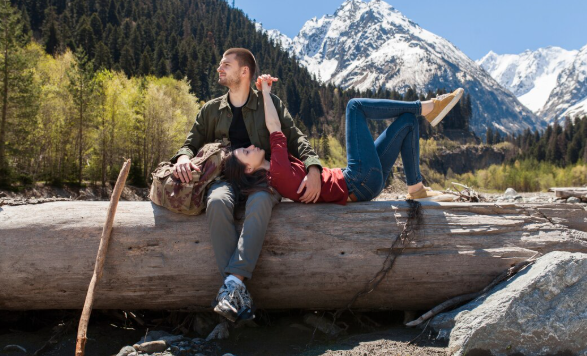
Mountaineering in the Pyrenees is an unforgettable experience for travelers who love nature, adventure, and breathtaking landscapes. Stretching between Spain and France, the Pyrenees mountain range offers dramatic peaks, peaceful valleys, and diverse wildlife. Every year, climbers from around the world visit these mountains to explore their rugged beauty and test their skills. From beginner-friendly hikes to challenging alpine ascents, mountaineering in the Pyrenees provides opportunities for every level of adventurer. The region is also known for its rich culture, charming villages, and well-marked trails that make exploration enjoyable. Whether you want to climb iconic peaks or simply experience the thrill of high-altitude landscapes, the Pyrenees are an ideal destination for mountaineering enthusiasts.
The Beauty of the Pyrenees Mountains
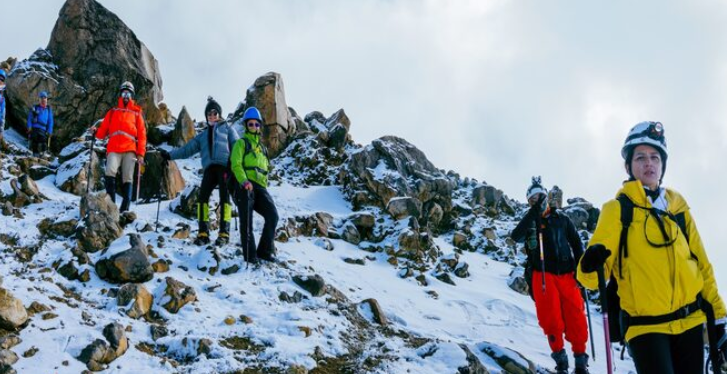
The Pyrenees are one of Europe’s most spectacular mountain ranges. Spanning roughly 430 kilometers, they form a natural border between Spain and France while also touching the small principality of Andorra. The range features dramatic cliffs, glaciers, alpine lakes, and lush green valleys.
For climbers, mountaineering in the Pyrenees offers stunning scenery that changes with elevation. Lower slopes are covered in forests and meadows, while higher areas reveal rocky ridges and snow-covered summits. Wildlife such as eagles, marmots, and ibex can often be seen along the trails.
One of the most famous protected areas in the region is Pyrenees National Park. This park preserves the natural beauty of the mountains and provides safe routes for hikers and climbers. Many mountaineers begin their journey here before tackling more challenging peaks.
Why Mountaineers Love the Pyrenees
There are many reasons why mountaineering in the Pyrenees attracts climbers from around the world. First, the range offers incredible variety. Adventurers can explore rocky summits, snowfields, forests, and high alpine lakes within a single trip.
Second, the Pyrenees are less crowded than other famous European ranges such as Alps. This means climbers can enjoy a more peaceful and authentic mountain experience. The region also has excellent trail systems, mountain huts, and local guides who help visitors safely explore the terrain.
Another reason climbers love mountaineering in the Pyrenees is the unique blend of cultures found in nearby villages. Travelers can enjoy delicious food, historic architecture, and warm hospitality after a long day of climbing.
Famous Peaks for Mountaineering in the Pyrenees
Several peaks in the Pyrenees are famous among mountaineers. Each offers unique challenges and spectacular views.
Aneto
The highest peak in the Pyrenees is Aneto, rising to 3,404 meters. It is located in the Posets-Maladeta Natural Park in Spain. Climbing Aneto is one of the most popular goals for those interested in mountaineering in the Pyrenees.
The route includes glacier crossings and a narrow ridge known as the “Paso de Mahoma,” which requires careful movement. Although challenging, reaching the summit rewards climbers with panoramic views across the entire mountain range.
Monte Perdido
Another iconic peak is Monte Perdido, the third-highest summit in the Pyrenees. Located within Ordesa y Monte Perdido National Park, it is a favorite destination for experienced mountaineers.
The climb to Monte Perdido includes steep slopes, rocky paths, and sometimes snowfields. Many climbers consider it one of the most beautiful mountains in Europe.
Vignemale
Vignemale is the highest peak on the French side of the Pyrenees. Known for its impressive glaciers and rugged terrain, it is a classic destination for mountaineering in the Pyrenees. Climbers who reach its summit enjoy incredible views of glaciers and surrounding valleys.
Best Seasons for Mountaineering
The best time for mountaineering in the Pyrenees depends on your experience level and the type of climbing you want to do.
- Summer (June–September): Ideal for hiking and moderate climbs. Snow has mostly melted, making trails easier to access.
- Spring: Snow remains on high peaks, providing good conditions for experienced climbers.
- Winter: The mountains transform into a snowy paradise, attracting ice climbers and ski mountaineers.
Many beginners choose summer because conditions are safer and mountain huts are open. However, advanced climbers often prefer spring or winter for more challenging routes.
Essential Equipment for Mountaineering
Preparing the right equipment is crucial for safe mountaineering in the Pyrenees. Climbers should always carry proper gear, especially when exploring high-altitude terrain.
Important equipment includes:
- Strong mountaineering boots
- Helmet and climbing harness
- Ice axe and crampons (for snowy routes)
- Weatherproof clothing
- Navigation tools such as maps or GPS
- First-aid kit and emergency supplies
Because weather conditions can change quickly in the mountains, climbers must be prepared for cold temperatures, wind, and sudden storms.
Popular Routes and Trails
Many routes are available for those interested in mountaineering in the Pyrenees, ranging from beginner-friendly trails to technical climbs.
One famous long-distance trail is the GR10 Trail, which crosses the French side of the Pyrenees from the Atlantic Ocean to the Mediterranean Sea. Another well-known route is the GR11 Trail on the Spanish side.
These trails allow adventurers to experience mountaineering in the Pyrenees while exploring remote valleys, alpine lakes, and traditional mountain villages. Many climbers spend several days or even weeks completing sections of these routes.
Safety Tips for Climbers
Safety should always be the top priority during mountaineering in the Pyrenees. Although the mountains are beautiful, they can also be unpredictable.
Here are some important safety tips:
- Check weather forecasts before starting any climb.
- Inform someone about your route and expected return time.
- Carry enough water and food for the entire journey.
- Use proper climbing gear and protective equipment.
- If you are inexperienced, consider hiring a professional guide.
Local rescue services in the Pyrenees are highly trained, but prevention and preparation are always the best strategies for safe mountaineering.
Cultural Experiences Around the Mountains
Beyond climbing, mountaineering in the Pyrenees offers a chance to explore unique cultural traditions. Many mountain villages have preserved their historical charm for centuries.
Visitors can enjoy traditional cuisine such as mountain cheeses, hearty stews, and local wines. Festivals, markets, and regional music also give travelers insight into the culture of the region.
The small country of Andorra, located in the heart of the Pyrenees, is especially popular with mountaineers. It offers modern facilities, scenic trails, and easy access to many high peaks.
Environmental Responsibility
Protecting the environment is essential when practicing mountaineering in the Pyrenees. The mountains contain fragile ecosystems that must be preserved for future generations.
Climbers should follow responsible travel practices such as:
- Carrying out all trash
- Staying on marked trails
- Respecting wildlife
- Avoiding damage to plants and natural features
Organizations and park authorities work hard to protect the Pyrenees, and visitors play an important role in maintaining the region’s natural beauty.
Conclusion
Mountaineering in the Pyrenees is one of the most exciting outdoor adventures in Europe. With dramatic peaks, peaceful valleys, and diverse landscapes, the region offers endless opportunities for climbers of all skill levels. From conquering famous summits like Aneto and Monte Perdido to exploring scenic trails and cultural villages, the Pyrenees provide an unforgettable experience. Proper preparation, safety awareness, and respect for nature are essential for enjoying the mountains responsibly. Whether you are a beginner looking for your first alpine adventure or an experienced climber seeking new challenges, mountaineering in the Pyrenees promises breathtaking views, thrilling climbs, and memories that will last a lifetime.
Frequently Asked Questions
1. Is mountaineering in the Pyrenees suitable for beginners?
Yes, many routes are beginner-friendly, especially during summer. However, some peaks require technical climbing skills.
2. What is the highest mountain in the Pyrenees?
The highest peak is Aneto, which reaches 3,404 meters.
3. When is the best time for mountaineering in the Pyrenees?
Summer is the most popular season because trails are clear and weather conditions are more stable.
4. Do I need a guide for mountaineering in the Pyrenees?
Beginners are strongly encouraged to hire guides, especially for glacier routes and technical climbs.
5. What wildlife can be seen in the Pyrenees?
Visitors may see eagles, marmots, mountain goats, and many other species while exploring the mountains.
