


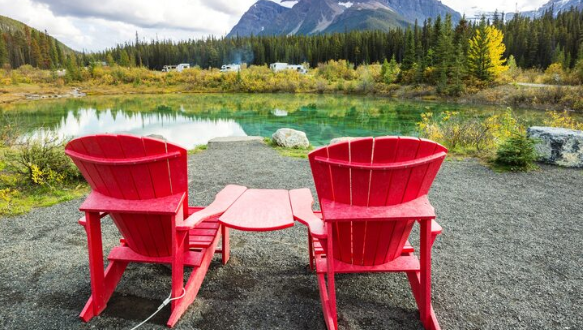
When it comes to designing your patio, deck, or outdoor kitchen, selecting the right seating is just as crucial as choosing furniture and decor. Outdoor barstools are the perfect blend of style, comfort, and practicality, allowing you to entertain guests, enjoy a morning coffee, or relax during warm evenings. Unlike indoor stools, outdoor options are specifically crafted to withstand the elements, ensuring durability, longevity, and ease of maintenance. In this guide, we will explore the types, materials, styles, and tips for choosing the best outdoor barstools for your space.
Why Outdoor Barstools Are Essential

Adding outdoor barstools elevates the functionality of your outdoor spaces. They offer:
- Versatile Seating: Perfect for bar counters, kitchen islands, or high-top tables.
- Space Efficiency: Ideal for small patios, as they provide vertical seating without taking up much floor space.
- Entertainment-Friendly: Guests can sit comfortably while socializing during parties or family gatherings.
- Enhanced Aesthetic: Stylish stools instantly transform the look of your outdoor area.
By choosing the right outdoor barstools, you can create an inviting space that combines elegance and practicality.
Types of Outdoor Barstools
1. Backless Barstools
Backless barstools are a minimalist option that allows for easy movement and versatility. These are ideal for spaces where multiple stools need to fit under a counter without crowding.
Pros: Lightweight, easy to store, flexible design.
Cons: Less lumbar support, which may not be ideal for long seating periods.
2. Barstools with Backs
Stools with backs provide extra comfort, making them suitable for longer social gatherings or dining. Many outdoor designs also include armrests for added relaxation.
Pros: Ergonomic, supportive, stylish.
Cons: Bulkier, sometimes heavier, less flexible for storage.
3. Swivel Barstools
Swivel stools offer dynamic seating, allowing users to turn without moving the entire stool. This feature is especially useful for entertaining, as it facilitates conversation and easy movement.
Pros: Comfortable, interactive, modern.
Cons: Can be pricier, sometimes require extra maintenance.
4. Adjustable Barstools
Adjustable height stools are versatile, ideal if you have varying counter heights or a multifunctional space.
Pros: Customizable, practical, great for families.
Cons: Slightly more mechanical parts can mean higher maintenance.
Materials for Outdoor Barstools
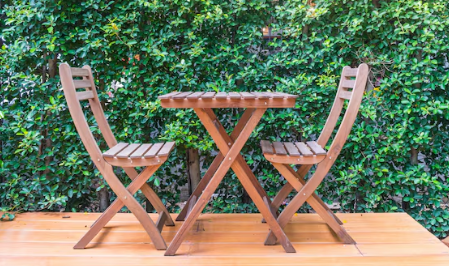
Choosing the right material is crucial, as outdoor furniture faces sun, rain, wind, and humidity.
1. Wood
Teak, eucalyptus, or cedar are popular options for outdoor stools. These woods are naturally resistant to rot and insects.
Pros: Warm, natural look; durable; eco-friendly.
Cons: Requires regular maintenance and sealing to prevent weather damage.
2. Metal
Aluminum, stainless steel, and wrought iron are commonly used metals. Aluminum is lightweight and rust-resistant, while wrought iron is heavier and very sturdy.
Pros: Modern aesthetic, long-lasting, strong.
Cons: Can get hot under direct sun, may need powder-coating for weather protection.
3. Plastic & Resin
Plastic or resin stools are lightweight, weatherproof, and often available in bright colors.
Pros: Affordable, easy to clean, durable in rain or sun.
Cons: May feel less premium, can fade over time.
4. Rattan & Wicker
Synthetic rattan or wicker offers a classic outdoor look. They are usually paired with cushions for comfort.
Pros: Stylish, lightweight, blends with nature.
Cons: Requires cushions for comfort; may need UV-protection for longevity.
Design Styles of Outdoor Barstools
1. Modern
Modern outdoor barstools emphasize clean lines, sleek metal or acrylic finishes, and minimalist design. They work well in contemporary outdoor kitchens.
2. Rustic
Rustic barstools, often made of reclaimed wood or distressed metal, add warmth and character to a patio or garden bar area.
3. Coastal & Nautical
Perfect for beachside homes or pool decks, these stools often feature whitewashed wood, navy accents, or rope details.
4. Industrial
Industrial designs combine metal and wood with a raw, utilitarian look. They are perfect for loft-style outdoor spaces or urban patios.
5. Tropical & Bohemian
Rattan, wicker, and colorful cushions define tropical and bohemian barstools, creating a relaxed, vacation-style vibe.
Choosing the Right Height
Outdoor barstools come in standard heights to match your counter or bar:
- Counter Height (24–27 inches): Fits most kitchen counters.
- Bar Height (28–32 inches): Ideal for high bars or restaurant-style setups.
- Extra Tall (33–36 inches): For custom-built bars or high-top tables.
Tip: Ensure 9–13 inches of clearance between the stool seat and the counter for comfortable legroom.
Comfort Features to Consider
When buying outdoor barstools, comfort is as important as style:
- Cushions: Weather-resistant cushions improve seating comfort.
- Armrests & Footrests: Essential for long-term seating and support.
- Back Support: Contoured backs reduce strain on the spine.
- Swivel or Stationary: Swivel stools increase versatility, while stationary stools are often more stable.
Maintenance Tips for Outdoor Barstools
Keeping your stools in top shape requires a few simple habits:
- Clean Regularly: Wipe down metal, plastic, or wood surfaces with mild soap and water.
- Protect from Sun: Use UV-protective sprays or store in shaded areas to prevent fading.
- Cover or Store in Rain: Use outdoor furniture covers or move stools indoors during heavy rain or snow.
- Treat Wood: Apply sealant or oil to wooden stools to prevent cracking and warping.
- Check Hardware: Periodically tighten screws or bolts to ensure stability.
Creative Ideas for Using Outdoor Barstools
- Poolside Seating: Create a casual area for drinks and snacks by the pool.
- Outdoor Kitchens: Pair stools with an island or bar counter for alfresco dining.
- Patio Lounge: Use a mix of stools and chairs for flexible seating arrangements.
- Garden Bar: Add a natural touch with wooden stools and hanging plants.
- Balcony Setup: Even small spaces can have a high-top table with compact barstools.
Conclusion
Outdoor barstools are more than just functional seating—they enhance your outdoor living space, complement your decor, and make gatherings more comfortable and stylish. By selecting the right materials, design, and features, you can create a welcoming, durable, and attractive seating arrangement for any outdoor area. Remember to consider comfort, height, and weather-resistance when choosing your stools, and maintain them regularly to ensure longevity. Whether you prefer modern, rustic, or tropical styles, there’s a perfect outdoor barstool for your home.
Frequently Asked Questions
1. What is the best material for outdoor barstools?
Metal, teak, and synthetic wicker are excellent options due to durability and weather resistance.
2. Can outdoor barstools be left outside year-round?
Yes, if made of weatherproof materials, but using covers or storing during extreme weather prolongs their lifespan.
3. How high should my outdoor barstool be?
Counter-height stools are 24–27 inches; bar-height stools are 28–32 inches, depending on your surface.
4. Are cushions necessary for outdoor barstools?
Not always, but cushions increase comfort, especially for long seating periods.
5. How do I clean outdoor barstools?
Use mild soap and water for regular cleaning. Avoid harsh chemicals that may damage finishes.
6. Can I mix different styles of outdoor barstools?
Absolutely. Mixing styles can create a unique, eclectic outdoor space while maintaining comfort and functionality.
7. What are some budget-friendly outdoor barstool options?
Plastic, resin, or lightweight aluminum stools are affordable, durable, and easy to maintain without compromising style.
