


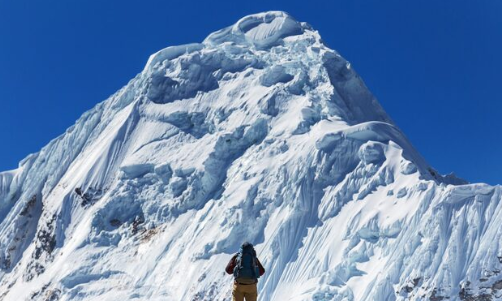
The north face of Mount Everest is one of the most challenging and iconic routes for mountaineers around the world. Located in Tibet, this face of the world’s highest peak stands in stark contrast to the more popular south route in Nepal. The north face presents climbers with extreme weather conditions, high altitudes, and technical challenges that require both physical endurance and mental strength. Over the years, it has become a symbol of human perseverance and adventure, attracting seasoned climbers seeking to test their limits. In this guide, we will explore the history, route details, challenges, and preparation tips for conquering the north face of Mount Everest.
History of the North Face
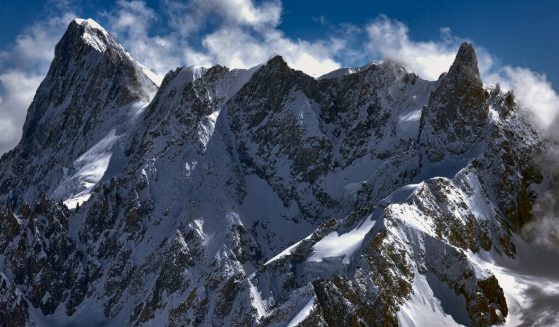
The first reconnaissance of the north side of Everest was carried out in the 1920s by British expeditions. Unlike the southern route, which was first successfully climbed by Sir Edmund Hillary and Tenzing Norgay in 1953, the north face remained elusive for decades due to its remoteness and harsh conditions.
In 1960, a Chinese expedition successfully reached the summit from the north side, marking a significant milestone in Everest mountaineering history. Since then, the north face of Mount Everest has been regarded as a technically demanding but highly rewarding ascent, offering climbers stunning views of Tibet and the surrounding Himalayas.
Route Overview
The north face of Mount Everest features several key landmarks that climbers must navigate carefully:
- Base Camp: Located at an altitude of 5,150 meters, the north base camp is the starting point for expeditions. It is accessible via the Rongbuk Glacier and offers a scenic yet harsh environment.
- Advanced Base Camp (ABC): Situated at 6,400 meters, ABC is used for acclimatization and preparation for higher camps. Climbers spend several days here to adjust to altitude.
- North Col: Rising to 7,020 meters, the North Col is a critical section where climbers often face strong winds and crevasses.
- Three Steps: The climb features three technical rock steps between 8,500 and 8,600 meters. These are among the most difficult sections and require ropes, ladders, and careful navigation.
- Summit: At 8,848 meters, reaching the summit from the north side requires careful timing and excellent acclimatization due to thin air and unpredictable weather.
Challenges of the North Face
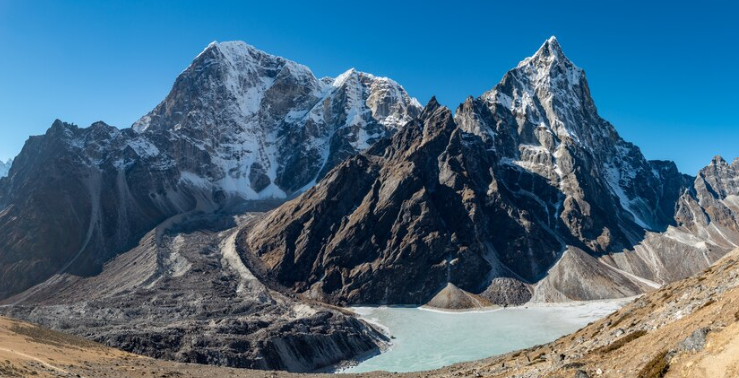
Climbing the north face of Mount Everest is not for the faint-hearted. Some of the primary challenges include:
1. Extreme Weather Conditions
The north face is exposed to harsh winds, sub-zero temperatures, and sudden storms. Climbers must monitor weather forecasts carefully and be prepared for rapid changes.
2. High Altitude
The extreme altitude poses a risk of acute mountain sickness (AMS), high-altitude pulmonary edema (HAPE), and high-altitude cerebral edema (HACE). Proper acclimatization is essential to reduce these risks.
3. Technical Difficulty
Unlike the south route, which has more gradual slopes, the north face includes rock steps, steep ice slopes, and exposed ridges that require technical climbing skills.
4. Limited Rescue Options
Due to its remote location and harsh terrain, rescue operations on the north side are complicated. Climbers must be self-sufficient and prepared for emergencies.
5. Physical and Mental Endurance
Success on the north face demands both physical stamina and mental resilience. Climbers must endure long ascents, minimal sleep, and extreme fatigue while staying focused on safety.
Preparation for Climbing
Proper preparation is critical for tackling the north face of Mount Everest:
1. Physical Training
Climbers should focus on strength, endurance, and cardiovascular fitness. Training should include long hikes with heavy backpacks, stair climbing, and weightlifting to simulate the conditions of high-altitude climbing.
2. Technical Skills
Knowledge of ice climbing, rope handling, crevasse rescue, and use of crampons and ice axes is essential. Many climbers attend specialized courses before attempting Everest.
3. Gear and Equipment
Essential gear includes insulated clothing, high-quality boots, climbing harnesses, oxygen tanks, and GPS navigation tools. Proper equipment ensures safety and efficiency in extreme conditions.
4. Acclimatization
Spending several days at base camp and advanced camps helps climbers adjust to reduced oxygen levels. Many follow a “climb high, sleep low” strategy to improve acclimatization.
5. Mental Preparation
Climbers must develop patience, focus, and resilience. Meditation, visualization techniques, and mental rehearsal can help prepare for the stress and exhaustion of high-altitude climbing.
Safety Measures
Safety is paramount when climbing the north face of Mount Everest:
- Always climb with a certified guide or expedition team.
- Monitor weather forecasts closely.
- Carry sufficient oxygen for high-altitude camps.
- Maintain communication with base camp via radio or satellite phone.
- Have contingency plans for emergencies, including descent routes and medical evacuation.
Environmental Considerations
Climbers are encouraged to practice eco-friendly mountaineering:
- Carry out all waste, including oxygen canisters and food wrappers.
- Use biodegradable soaps and avoid contaminating glacial streams.
- Follow local regulations and respect cultural sites along the route.
Preserving the fragile ecosystem of Everest ensures future climbers can enjoy the same majestic experience.
Conclusion
The north face of Mount Everest represents one of the greatest challenges in mountaineering. From extreme weather to technical rock steps, it tests every aspect of a climber’s skill, strength, and endurance. Proper preparation, including physical training, technical knowledge, and mental resilience, is essential for a successful ascent. Despite its challenges, conquering the north face offers an unparalleled sense of achievement and breathtaking views of the Himalayas. For those who dream of standing on the world’s highest summit via the north side, the experience is not just about reaching the peak but embracing the journey and respecting the mountain’s immense power.
Frequently Asked Questions
1. Is the north face of Mount Everest more difficult than the south side?
Yes, the north face is technically more challenging due to steep rock steps, harsh winds, and limited rescue options.
2. Can beginners climb the north face?
No, this route is recommended only for experienced climbers with prior high-altitude mountaineering experience.
3. What is the best season to climb the north face?
The climbing seasons are usually pre-monsoon (April-May) and post-monsoon (September-October), when weather conditions are relatively stable.
4. How long does it take to climb the north face of Everest?
Expeditions typically last 6–8 weeks, including acclimatization, base camp preparation, and summit attempts.
5. Do climbers need supplemental oxygen on the north face?
While some elite climbers ascend without oxygen, most expeditions recommend using supplemental oxygen above 7,500 meters for safety.
