



The national animal of China is one of the most beloved and recognizable creatures in the world—the giant panda. Known for its distinctive black-and-white fur and peaceful nature, the panda represents harmony, friendship, and conservation. When people think about the national animal of China, they immediately picture this gentle bamboo-eating bear that has captured hearts globally.
Officially recognized as China’s national treasure, the giant panda is scientifically called Ailuropoda melanoleuca. It belongs to the bear family and is native to specific mountain ranges in central China. The national animal of China is not only a symbol of wildlife protection but also a cultural icon deeply rooted in Chinese heritage.
The Giant Panda: China’s Living Symbol
The Giant Panda holds a special place in Chinese culture and international diplomacy. As the national animal of China, it represents peace and goodwill. Historically, pandas were rare and mysterious animals found only in remote bamboo forests. Over time, they became symbolic of China’s natural beauty and ecological diversity.
The black-and-white coloring of the national animal of China carries symbolic meaning. In Chinese philosophy, black and white represent the balance of Yin and Yang—opposing forces that complement each other. This balance reflects harmony in nature, making the panda a perfect emblem for the country.
Natural Habitat of the National Animal of China

The national animal of China primarily lives in the mountainous regions of Sichuan, Shaanxi, and Gansu provinces. These areas are rich in dense bamboo forests, which are essential for the panda’s survival. The Qinling and Minshan mountain ranges provide cool, moist climates that support the growth of bamboo—the main food source of the panda.
Although pandas are classified as carnivores, about 99% of their diet consists of bamboo. The national animal of China spends up to 12–14 hours a day eating to meet its nutritional needs. An adult panda can consume up to 38 kilograms of bamboo daily.
Because bamboo forests are sensitive to environmental changes, conservation efforts are vital to protect the habitat of the national animal of China.
Cultural and Diplomatic Importance
The national animal of China is more than just wildlife—it is a diplomatic ambassador. China has practiced “panda diplomacy” for decades, loaning pandas to other countries as a gesture of friendship. These pandas live in international zoos under cooperative breeding programs, strengthening global relationships.
One famous conservation and research center is the Chengdu Research Base of Giant Panda Breeding. This facility plays a crucial role in protecting and breeding the national animal of China. It also educates millions of visitors about wildlife conservation each year.
Through panda diplomacy, the national animal of China has become a worldwide symbol of environmental awareness and international cooperation.
Conservation Success Story
In the past, the national animal of China faced severe threats due to habitat destruction and low birth rates. Deforestation and agricultural expansion reduced bamboo forests, putting pandas at risk. At one point, the species was classified as endangered.
However, China implemented strict conservation measures, including the creation of panda reserves and reforestation programs. As a result, the population of the animal of China has gradually increased. Thanks to these efforts, the giant panda was reclassified from “Endangered” to “Vulnerable” by international conservation authorities.
Today, more than 1,800 giant pandas live in the wild, while several hundred more are in breeding centers. The recovery of the national animal of China is considered one of the world’s greatest wildlife conservation achievements.
Why the Panda Represents China
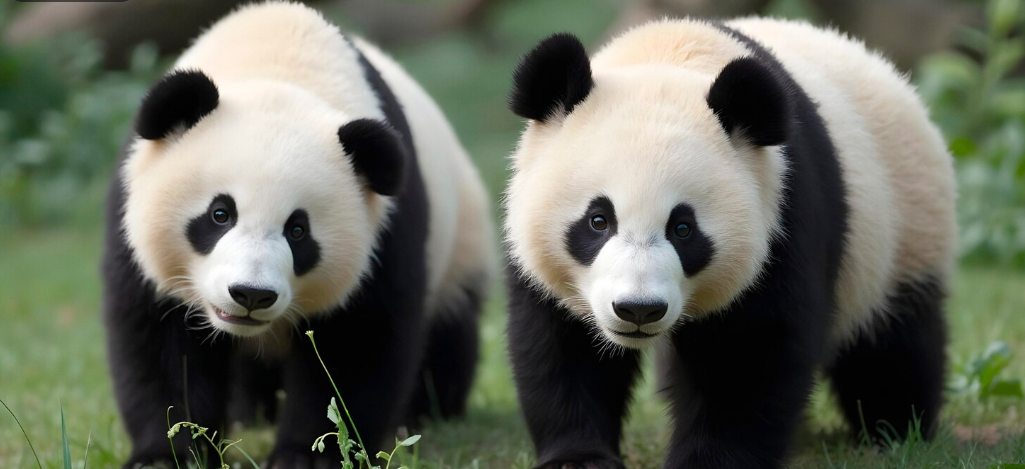
The national animal of China symbolizes peace, friendship, and harmony. Unlike predators often chosen as national animals by other countries, China selected a calm and gentle creature. This reflects cultural values emphasizing balance and coexistence.
Additionally, the panda’s unique appearance makes it unforgettable. Its round face, dark eye patches, and playful behavior make the national animal of China adored by children and adults alike.
The panda is also featured in Chinese art, coins, and international events. For example, it has appeared as mascots in global sports competitions hosted in China, reinforcing its identity as the national animal of China.
Unique Characteristics of the Animal of China
The animal of China has several fascinating traits:
- It has a special wrist bone that functions like a thumb to grip bamboo.
- Despite being large (weighing up to 150 kg), it is an excellent climber.
- Baby pandas are extremely small at birth—about the size of a stick of butter.
- The panda communicates through bleats, honks, and scent markings.
These characteristics make the animal of China biologically unique and scientifically important.
Global Recognition and Future Protection
The national animal of China continues to inspire global conservation efforts. Organizations around the world collaborate with Chinese authorities to protect panda habitats and promote biodiversity.
China has established the Giant Panda National Park, connecting fragmented habitats to ensure long-term survival. By expanding protected areas, the country demonstrates its commitment to safeguarding the animal of China for future generations.
Protecting the panda also protects many other species sharing the same ecosystem. Thus, the conservation of the national animal of China benefits entire forest communities.

Conclusion
The national animal of China is the giant panda, a symbol of harmony, peace, and environmental responsibility. From ancient cultural meanings to modern conservation success, the panda represents the heart of China’s natural heritage. Its journey from endangered status to recovery highlights the power of dedication and global cooperation.
As long as bamboo forests thrive and conservation efforts continue, the national animal of China will remain a proud emblem of the country and a cherished treasure of the world.
Frequently Asked Questions
1. Why is the giant panda the national animal of China?
The giant panda is the national animal of China because it symbolizes peace, harmony, and friendship. It is native to China and represents the country’s commitment to wildlife conservation and environmental protection.
2. Where does the national animal of China live?
The national animal of China lives mainly in bamboo forests in Sichuan, Shaanxi, and Gansu provinces. These mountainous areas provide the cool climate and bamboo supply essential for survival.
3. How has China protected the national animal of China from extinction?
China has created protected reserves, breeding centers, and reforestation programs to conserve panda habitats. Strict laws against poaching and international cooperation have helped increase the panda population and improve its conservation status.
Create your first image
Got an idea? Try one of our new curated styles and filters or imagine something from scratch.
