



Walking field trips are valuable educational experiences that allow students to explore their community, connect classroom learning with real‑world environments, and develop social and observational skills. In the Box Elder School District, walking field trips are considered part of approved educational programming and are subject to specific rules and expectations to ensure safety, supervision, and compliance with district policy.
Understanding the walking field trips rules in Box Elder School District helps families and educators plan meaningful, safe, and enjoyable outings that align with the district’s commitment to student welfare and academic enrichment.

What Is a Walking Field Trip?
A walking field trip is a district‑sponsored educational outing that takes place in the vicinity of the school and does not involve vehicle transportation. Unlike long bus trips or overnight excursions, these field trips involve students walking to a local site — such as a community park, museum, business, historical site, or natural setting — accompanied by teachers and chaperones.
Walking field trips are educationally purposeful and designed to supplement curriculum standards. They:
- Encourage experiential learning
- Promote physical activity
- Help students observe and explore their community
- Extend classroom instruction to a real‑world context
Although these trips take place close to school grounds, they require intentional planning and must follow specific walking field trips rules in Box Elder School District to ensure student safety.
Approval and Permission Requirements
One of the key walking field trips rules in Box Elder School District is that walking trips must be properly authorized before they occur. In many districts, including similar policy models, approval is required from the school principal or administrator before any walking trip can proceed, even if it is short or nearby. This ensures that the destination is appropriate and that safety considerations are fully evaluated before students leave school property.
In general, the steps include:
- Trip Authorization: Teachers must submit a walking field trip plan to school administrators for approval prior to the scheduled date.
- Parental Consent: Parents or legal guardians must sign permission forms allowing their child to participate in a walking field trip. This documentation helps protect students and ensures families are fully informed of the trip’s details.
- District Notification: School districts often maintain records of all field trips, including walking outings, so that office staff are aware of student whereabouts during school hours.
Obtaining the right approvals is central to complying with walking field trips rules in Box Elder School District.
Safety and Supervision Standards
Student safety is a top priority during any field trip, and walking field trips are no exception. Because students will be outside the structured classroom environment, specific field trip rules focus on supervision and preparation.
Key walking field trips rules in Box Elder School District regarding safety include:
- Adequate Adult Supervision: Teachers and adult volunteers must supervise students at all times. The number of adults required will vary based on students’ ages and the nature of the trip, but supervision must be continuous.
- Pre‑Trip Risk Assessment: Staff should evaluate potential hazards along the walking route and at the destination, including busy intersections, uneven sidewalks, or environmental risks.
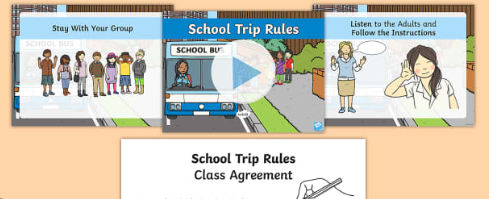
- Clear Expectations for Students: Prior to departure, educators should review behavioral expectations, listening guidelines, and safety rules with students.
- Emergency Preparedness: Teachers should carry necessary emergency information, including contact numbers, medical cards, and first‑aid kits, in case of unexpected situations.
These safety procedures are crucial components of walking field trips rules in Box Elder School District, ensuring that educational benefits are balanced with cautious planning.
Transportation and Routes
Although walking field trips don’t involve buses, they still require careful consideration of routes and transportation alternatives.
The district must ensure that walking routes are:
- Safe and accessible (e.g., sidewalks, crosswalks)
- Appropriate for the age and ability level of students
- Evaluated for potential road hazards or construction zones
Teachers should walk the route in advance to identify risks and plan safe crossing points. If a walking route includes busy streets without sidewalks, alternative destinations or additional supervision may be necessary. These considerations help districts comply with walking field trips rules in Box Elder School District and promote student safety.
Behavioral Expectations and Discipline
Students attending walking field trips are expected to follow the same conduct rules that apply on campus. Prior to departure, teachers should clearly communicate expectations for behavior, including respecting adults, staying with the group, and following safety guidelines.
Failure to comply with district behavior expectations may result in:
- Loss of field trip privileges
- Parent notification
- Other disciplinary measures consistent with school policy
These behavioral expectations are part of broader field trip rules, helping ensure that all participants enjoy a positive and respectful experience.
Educational Value and Purpose
Walking field trips are not casual outings — they must have a clear educational objective. Whether observing a historical marker, studying plant ecosystems in a park, or exploring local government facilities, these trips extend classroom learning in meaningful ways.
Effective walking field trips:
- Reinforce curriculum topics
- Provide hands‑on learning experiences
- Encourage observation, inquiry, and critical thinking skills
- Connect academic concepts to real‑world environments
Teachers should plan activities and discussion points that align with lesson objectives, making the trip both fun and educational.
Documentation and Follow‑Up
Good record‑keeping is part of field trip planning. Teachers should retain copies of all permission slips, risk assessments, and approval forms related to walking field trips. After students return, educators may choose to facilitate reflection activities, group discussions, or projects based on the experience to reinforce learning.
Documentation helps schools evaluate the success of walking field trips and ensure compliance with district expectations.
Final Thoughts
Walking field trips are simple yet powerful extensions of classroom instruction. When guided by well‑defined walking field trips rules in Box Elder School District, these experiences can:
- Strengthen community connections
- Encourage student engagement
- Support curriculum goals
- Promote safety and responsibility
By securing proper approval, maintaining vigilant supervision, planning safe routes, and ensuring clear educational purpose, schools can provide enriching walking outings that benefit students academically, socially, and physically.
