


Understanding Europe’s Climate and Weather Patterns
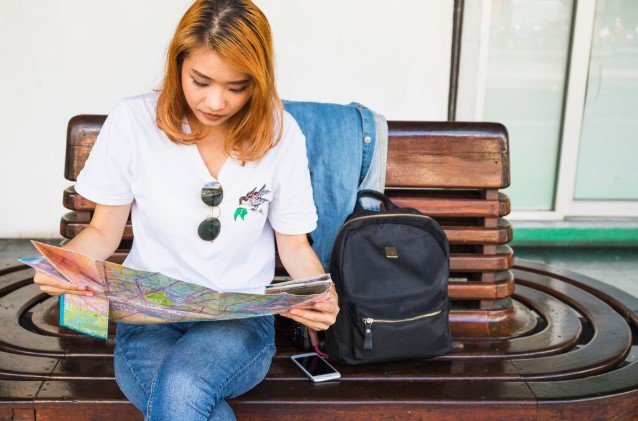
Europe’s climate varies greatly depending on the region and time of year, which makes researching your destinations essential before packing. Northern countries like Norway or Sweden tend to be colder and wetter, even in summer, while Southern Europe — countries such as Italy or Spain — can be hot and dry during summer months. Mountainous areas like the Alps or Pyrenees require layers and waterproof gear. Understanding these variations helps determine what to pack for Europe trip effectively and prevents last-minute shopping stress abroad.
Important Travel Documents to Carry
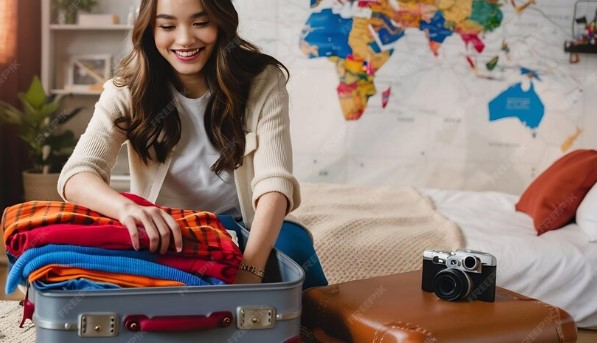
One of the most critical aspects of any Europe trip is ensuring your travel documents are complete and secure. Essentials include a valid passport, any necessary visas, travel insurance, flight tickets, accommodation confirmations, and emergency contacts. It’s also wise to carry digital and printed copies of each document. Organizing these items in a dedicated travel wallet ensures you always have quick access, which is especially helpful during airport security checks or when using public transportation.
Clothing Essentials for Different Seasons
Packing the right clothing depends heavily on your travel season. Lightweight, breathable fabrics are best for spring and summer, while fall and winter require warm layers. Versatile items that can mix and match reduce luggage bulk. Neutral colors and classic styles are ideal, as they can be paired in multiple ways for city sightseeing, casual walks, or evening outings. When deciding what to pack for Europe trip, aim for clothing that is functional, comfortable, and appropriate for cultural settings.
Spring and Summer Clothing Recommendations
During spring and summer, focus on light tops, short-sleeve shirts, dresses, and breathable bottoms. Include a lightweight jacket or cardigan for cooler mornings or evenings. A scarf can be helpful for sun protection or to cover shoulders when visiting churches and historic sites. Comfortable sandals or sneakers are necessary for walking through city streets and parks. Accessories like sunglasses, hats, and minimal jewelry complete practical summer packing.
Fall and Winter Clothing Recommendations
Fall and winter require layering to adjust to variable temperatures. Sweaters, long-sleeve shirts, thermal base layers, and a waterproof coat are key. Gloves, hats, and scarves help protect against cold winds, particularly in Northern and Eastern Europe. Waterproof boots are recommended for rainy days, cobblestone streets, and potential snow. Packing layers rather than heavy clothing allows flexibility while keeping luggage manageable.
Footwear Tips for Comfort and Style

Comfortable footwear is essential because European cities are best explored on foot. Sneakers or supportive walking shoes are ideal for long sightseeing days, while stylish flats or loafers can work for evening outings. Avoid brand-new shoes, as unbroken-in footwear can cause blisters. Waterproof shoes are recommended in rainy regions or during winter. When considering what to pack for Europe trip, footwear choice is one of the most critical factors for overall travel comfort.
Toiletries and Personal Care Items
Most European stores sell toiletries, but bringing essential items in travel sizes is convenient and ensures your routine is uninterrupted. Important items include toothpaste, toothbrush, shampoo, conditioner, deodorant, skincare basics, sunscreen, and any prescription medications. Packing a small first aid kit with bandages, antiseptic, and pain relievers is also recommended. Don’t forget a travel-size hairbrush or comb and, if needed, a compact razor.
Tech and Travel Gadgets You Should Bring
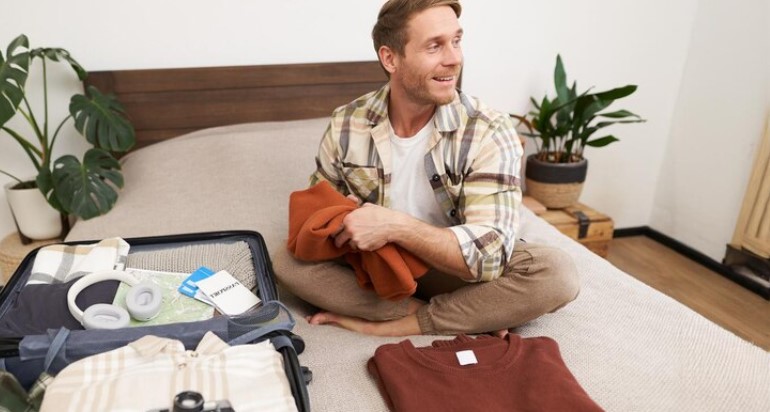
Modern travel often requires electronics. Essential devices include your smartphone, chargers, a power bank, headphones, and a universal travel adapter. If you plan to take photos, consider a camera or smartphone with sufficient storage. A lightweight laptop or tablet may be useful for work or entertainment during long train or flight journeys. Always back up important documents digitally to prevent loss during travel.
Day Bag Essentials for Sightseeing
A small, secure day bag is essential for daily excursions. Include a reusable water bottle, snacks, travel guide, map, sunglasses, sunscreen, hand sanitizer, and tissues. A crossbody bag with anti-theft features is ideal for crowded areas such as markets, squares, or tourist attractions. Keeping essentials within easy reach allows you to enjoy your day without repeatedly returning to your hotel or rental.
Packing for Different Travel Styles
City Exploration
If your trip focuses on museums, historic sites, and urban sightseeing, pack comfortable shoes, lightweight layers, and a medium-sized day bag. Clothing should be neat and culturally appropriate. Accessories like a small scarf or hat can add style while remaining functional.
Beach Vacations
Beach destinations require swimsuits, flip-flops, sunglasses, and sun protection. Quick-dry towels and lightweight cover-ups make visits to coastal areas convenient. Don’t forget a sunhat and beach bag to carry personal items during day trips.
Outdoor and Adventure Travel
For hiking, skiing, or outdoor exploration, pack technical clothing, waterproof jackets, sturdy boots, and performance fabrics that wick moisture. A small backpack, water bottle, and portable snacks are essential for long excursions.
Laundry Tips and Minimalist Packing Strategies
Overpacking is a common mistake. Instead, bring versatile clothing items that mix and match. Neutral colors simplify outfit planning. Use hotel laundry services or sink washing with travel detergent to minimize luggage weight. Packing cubes help organize items efficiently. Minimalist strategies allow you to carry less while having all essentials covered.
Safety and Security Items for Travelers
Safety should always be a priority. Consider money belts, luggage locks, RFID-blocking wallets, and keeping copies of important documents. Travel insurance is recommended to cover medical emergencies or unforeseen events. Awareness of surroundings and local customs helps reduce risks in crowded tourist areas.
Seasonal Packing Breakdown
Spring Packing Essentials
Layered clothing, lightweight jacket, comfortable shoes, travel-sized umbrella, and basic skincare items.
Summer Packing Essentials
Breathable clothing, sandals, sun protection, lightweight day bag, and sunglasses.
Fall Packing Essentials
Sweaters, closed-toe shoes, raincoat, scarf, and thermal layers for cooler evenings.
Winter Packing Essentials
Heavy coat, gloves, thermal layers, waterproof boots, hat, and scarf.
Items You Should Avoid Packing
Avoid overpacking shoes, bulky hair tools, full-size toiletries, unnecessary electronics, and items you can buy locally. Overpacking leads to heavier luggage and higher travel costs. Prioritize practicality and necessity when deciding what to pack for Europe trip.
Carry-On Essentials for Stress-Free Travel
Include a change of clothes, travel documents, medications, electronics, chargers, valuables, travel pillow, and snacks. A well-prepared carry-on ensures comfort and reduces stress in case checked luggage is delayed or lost.
Smart Packing Strategies and Tips
Rolling clothes saves space, while packing cubes organize items efficiently. Weigh luggage before departure to comply with airline limits. Leave space for souvenirs and local purchases. Check airline baggage policies to avoid surprises.
Personal Checklist Before Departure
- Passport and visa ready
- Travel insurance confirmed
- Flight and accommodation details saved
- Currency and cards packed
- Electronics and chargers included
- Weather-appropriate clothing prepared
- Emergency contacts accessible
A final checklist ensures you leave nothing behind and are fully prepared for your European adventure.
