Over Kitchen Cabinet Decorating Ideas: 25 Stylish Ways to Try
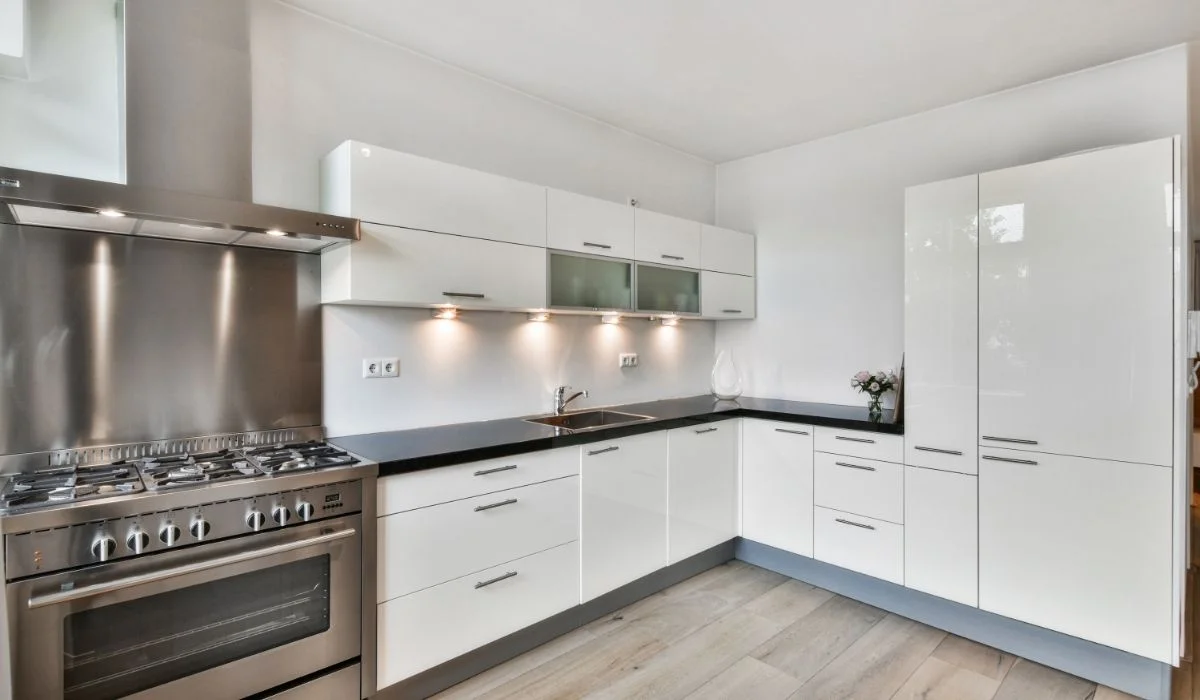
The space above kitchen cabinets can easily become an overlooked part of the room. Instead of leaving it completely empty or filling it with random objects, you can use it to add personality, texture, color, or even useful storage. The right kitchen cabinet decorations can make the entire kitchen feel more complete without requiring a major renovation.
However, decorating this area is not simply about placing something on top of every cabinet. The height of the ceiling, distance between the cabinets and ceiling, kitchen style, available light, and amount of cooking activity all affect what will work best.
If you are searching for above kitchen cabinet decor ideas, this guide will help you choose pieces that look intentional and fit naturally into your existing kitchen.
What to Consider Before Decorating Above Kitchen Cabinets
Before buying decor, measure the space between the cabinets and ceiling and check for interruptions such as a range hood, refrigerator, or molding. The size and shape of the gap should guide the scale of your decorations.
Also consider your kitchen’s existing colors and materials. If the room already has bold patterns, keep the decor simple; neutral kitchens can benefit from added color and texture.
Finally, keep maintenance in mind. Cabinet tops can collect dust and cooking residue, so choose items that are easy to remove and clean.
Over Kitchen Cabinet Decorating Ideas
There are many ways to use this overlooked area, but the goal should always be balance. You do not need to cover every inch to make the space feel finished.
Create a Layered Display
Layering can make a cabinet-top display look more collected and natural. Instead of placing objects in one straight line, combine pieces of different heights and shapes.
For example, place a taller vase behind a smaller bowl, then add a framed piece of art or a basket nearby. Keeping a consistent color relationship between the objects will prevent the arrangement from looking random.
Use Decorative Baskets
Baskets are one of the easiest kitchen cabinet decorations because they add texture while also providing storage. Woven baskets can hold lightweight, infrequently used kitchen items while keeping the area visually organized.
Choose baskets that share a similar material or color. A row of matching baskets creates a cleaner appearance, while two or three different but complementary styles can give the kitchen a more relaxed look.
Display Plants and Greenery
Plants can bring softness and natural color to a kitchen filled with hard surfaces. Trailing greenery can also add movement when it hangs slightly over the edge of a cabinet.
Before using real plants, consider the amount of natural light and the heat produced by cooking. If regular maintenance is inconvenient, high-quality artificial greenery can provide a similar decorative effect with less care.
Add Artwork
Artwork is another way to make the upper part of the kitchen feel more personal. A small framed print, vintage painting, botanical illustration, or decorative sign can fill an awkward section without requiring a large collection of objects.
Choose artwork that relates to the kitchen’s color palette. In a busy kitchen, one large simple piece may work better than several small frames competing for attention.
Style With Ceramics and Pottery
Ceramic bowls, pitchers, vases, plates, and pottery can create a warm, collected appearance. They work particularly well in farmhouse, traditional, rustic, and transitional kitchens.
Instead of displaying every piece you own, select a small collection with something in common. Similar colors, materials, or shapes can make different objects feel like one intentional arrangement.
Display Vintage Kitchen Pieces
Vintage objects can add character that new decorative accessories often cannot reproduce. Old trays, wooden boards, stoneware, serving pieces, and decorative containers can give the kitchen a lived-in quality.
The key is to avoid creating a museum-like collection unless that is your preferred style. A few carefully selected vintage pieces usually have more impact than filling the entire cabinet top.
Use Large Statement Objects
A large decorative object can be especially effective when the ceiling is high and smaller pieces would disappear visually. Consider an oversized vase, large bowl, sculptural piece, or architectural object.
Scale is important here. A statement piece should fit the available width and height without appearing unstable or overwhelming the cabinets below.
Create Functional Storage
Not all top of kitchen cabinet decor ideas need to be purely decorative. The space can also hold items that are used occasionally, such as serving trays, large bowls, seasonal dishes, or lightweight storage baskets.
Only store items that are safe and reasonably accessible. Avoid placing heavy objects where they could fall or where retrieving them requires unsafe climbing.
Add Mirrors
A decorative mirror can help reflect light and introduce another visual layer. This can be particularly useful in kitchens that feel dark or have limited wall space.
Use mirrors selectively rather than covering the entire cabinet line. A small pair or one appropriately sized mirror can create interest without making the kitchen feel overly decorated.
Continue Wallpaper or a Backsplash
If you prefer a cleaner look, consider treating the wall above the cabinets as part of the architecture instead of adding objects. Extending wallpaper, paint, tile, or another wall treatment upward can visually connect the cabinets to the ceiling.
This approach works especially well when you want a streamlined kitchen. It also reduces the number of objects that need regular dusting and cleaning.
Kitchen Cabinet Decorations Based on Your Kitchen Style
The best decorations usually support the style already established in the kitchen.
For a modern kitchen, use simple ceramics, sculptural objects, neutral artwork, streamlined baskets, or a few carefully selected plants. Avoid filling the space with numerous small accessories.
For a farmhouse kitchen, woven baskets, pottery, wooden boards, vintage containers, and natural greenery can add warmth. Materials with visible texture tend to work particularly well.
For a traditional kitchen, consider framed artwork, decorative plates, ceramic vessels, antique-style accessories, or symmetrical arrangements. Repetition and balance can help maintain a polished appearance.
For a minimalist kitchen, leaving some of the space empty may be the best option. One or two large pieces can create enough interest without compromising the clean appearance.
For an eclectic kitchen, you have more freedom to mix colors, textures, vintage finds, artwork, and unusual objects. Even then, repeat at least one color or material to create visual connection.
How to Decorate Different Cabinet Spaces
Small Gap Above Cabinets
If the gap is narrow, avoid forcing large decorations into the space. A few slim objects, small artwork pieces, greenery, or a simple repeated element can work better.
Another option is to leave the area empty and focus attention on the backsplash, cabinet hardware, lighting, or other architectural details.
Large Gap Above Cabinets
A tall gap provides more opportunity for dramatic styling. Large artwork, oversized pottery, baskets, plants, and layered arrangements can fill the vertical space more effectively.
However, larger space does not mean every inch needs decoration. Leave enough breathing room between groups so individual objects remain visible.
Cabinets With Uneven Sections
If your cabinets have different heights or interruptions, do not force one continuous arrangement across the entire wall. Treat each section as part of a larger composition.
For example, one area could hold artwork while another uses baskets or pottery. Repeating a color or material can connect the separate sections.
How to Keep Cabinet-Top Decor Clean
Kitchen decorations need more maintenance than similar objects in bedrooms or living rooms. Dust can combine with airborne cooking residue, making surfaces difficult to clean if they are ignored for long periods.
Choose washable or wipeable objects whenever possible. Smooth ceramics, glass, metal, and sealed materials are generally easier to maintain than highly textured pieces.
Create enough space between objects to clean around them. If an item is rarely used, remove it occasionally and clean both the item and the cabinet surface underneath.
Benefits of Decorating Above Kitchen Cabinets
Thoughtful decorating can make use of an otherwise empty architectural area and give the kitchen a more finished appearance. It can also introduce colors, textures, collections, and personal details without taking away useful counter space.
The space can also provide limited storage for lightweight, rarely used items. Baskets and containers can hide clutter while maintaining a decorative appearance.
Another benefit is flexibility. You can change artwork, seasonal pieces, plants, or accessories without replacing cabinets or making permanent changes to the kitchen.
Expert Insights
The most important principle when styling above kitchen cabinets is intentionality. Every object should have a reason for being there, whether it adds color, texture, height, personality, or practical storage.
Start with the largest visual elements and then add smaller pieces. Avoid buying decorations simply because you have empty space to fill. Sometimes a clean section of empty wall creates more balance than another accessory.
Also consider what happens at eye level. Cabinet-top decorations should support the kitchen rather than compete with the backsplash, lighting, range hood, island, or dining area.
For busy kitchens, prioritize easy-to-clean materials and avoid placing valuable or fragile objects directly above areas where they may be exposed to heat, steam, or grease.
Common Mistakes When Decorating Above Kitchen Cabinets
Filling Every Inch
One of the easiest mistakes is assuming that an empty area must be completely filled. Too many objects can make the kitchen feel crowded and make cleaning more difficult.
Instead, group a few meaningful pieces and leave some negative space around them.
Using Too Many Small Objects
Small decorative items can quickly turn into visual clutter. If you have many small pieces you want to display, group them into a controlled collection rather than spreading them across the entire cabinet line.
Ignoring Scale
Tiny decorations may disappear in a kitchen with high ceilings, while oversized pieces can overwhelm a narrow gap. Always consider the height and width of the available space before purchasing decor.
Choosing Items That Are Hard to Clean
Highly textured objects, delicate fabrics, and complicated decorative pieces may require more maintenance in a kitchen. Select materials that can be wiped or washed easily when possible.
Mixing Too Many Styles
A collection of farmhouse baskets, modern sculptures, colorful glass, and traditional artwork may look disconnected if there is no common element.
Repeat colors, materials, shapes, or finishes to make different objects feel connected.
Using the Space as Random Storage
The cabinet top should not become a dumping ground for everything that does not fit elsewhere. If you need storage, use matching baskets or containers so the area remains organized and visually intentional.
Future Trends in Kitchen Cabinet Decor
Kitchen styling is increasingly moving toward more personalized and practical spaces. Instead of decorating every available surface, homeowners are using selected objects that reflect their interests while keeping the overall kitchen visually controlled.
Functional styling is also becoming more important. Storage baskets, built-in niches, glass-front cabinets, and ceiling-height cabinetry can make better use of vertical space while reducing the need for loose decorations.
Another direction is the use of natural textures. Wood, woven materials, ceramics, stone, plants, and earthy colors can soften kitchens dominated by smooth cabinetry and appliances.
The overall trend is toward thoughtful styling rather than simply filling empty space. A few well-chosen pieces can often create more impact than a crowded display.
Conclusion
The right over kitchen cabinet decorating ideas can transform an overlooked area into a useful and attractive part of the kitchen. From plants and baskets to artwork, pottery, vintage pieces, and functional storage, there are plenty of ways to personalize the space.
The best approach is to consider your cabinet height, kitchen style, available light, cleaning requirements, and existing color palette before choosing decorations. Use scale and repetition to create balance, and do not be afraid to leave some areas empty.
Whether you prefer a modern, farmhouse, traditional, or eclectic kitchen, thoughtful kitchen cabinet decorations can add character without making the room feel cluttered.
FAQs
What should I put above my kitchen cabinets?
Use artwork, baskets, plants, pottery, vintage pieces, or a few large decorative objects that complement your kitchen.
How do I decorate above kitchen cabinets?
Start with the available space, choose a simple theme or color palette, and arrange a few pieces at different heights.
Is it outdated to decorate above kitchen cabinets?
Not necessarily. A simple, intentional display can still look stylish, especially when it complements the kitchen rather than creating clutter.
What are good kitchen cabinet decorations?
Baskets, ceramics, artwork, greenery, wooden pieces, decorative trays, and vintage kitchen accessories are popular options.
Can I use plants above kitchen cabinets?
Yes, if the area provides suitable light and the plants can be maintained safely. Artificial greenery is another low-maintenance option.
How do I make the space above cabinets look less cluttered?
Use fewer larger pieces, repeat colors or materials, and leave some empty space between decorative groups.
What can I store above kitchen cabinets?
Lightweight, rarely used items such as serving pieces, trays, or items kept inside decorative baskets can work well.
How do I clean decorations above kitchen cabinets?
Remove the items regularly and wipe both the decorations and cabinet tops to prevent dust and cooking residue from building up.