Scientific Gardening: A Complete Guide to Growing Healthier Plants Using Science
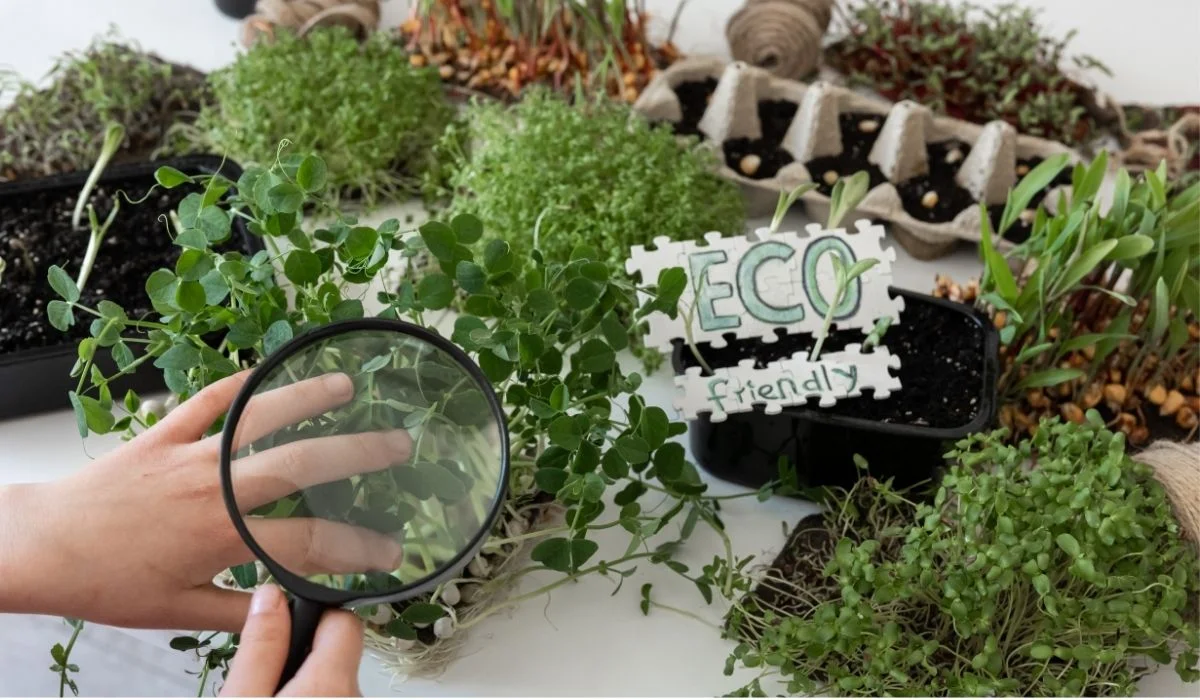
Gardening has come a long way from relying solely on experience and traditional practices. Today, scientific gardening combines biology, chemistry, environmental science, and modern technology to create healthier plants, higher yields, and more sustainable gardens. Instead of planting seeds and hoping for the best, scientific gardening helps gardeners understand why plants grow, what they need, and how different environmental factors affect their development.
Whether you are growing vegetables, fruits, flowers, or ornamental plants, applying scientific principles can improve plant health while reducing water waste, fertilizer use, and pest problems. Scientific gardening focuses on understanding soil composition, nutrient cycles, photosynthesis, irrigation, plant genetics, and biodiversity to create an environment where plants naturally thrive.
Unlike conventional gardening, scientific gardening relies on observation, research, and evidence-based techniques. Every decision—from choosing the right soil to determining watering schedules—is based on measurable factors rather than guesswork. Healthy soil, active microorganisms, balanced nutrients, and sustainable management practices form the foundation of this approach.
What Is Scientific Gardening?
Scientific gardening is the practice of growing plants using scientific knowledge and proven horticultural techniques. It combines plant biology, soil science, environmental science, and modern technology to improve plant growth while protecting natural resources.
The goal is not simply to grow plants but to understand how they respond to sunlight, water, nutrients, temperature, and microorganisms. By studying these relationships, gardeners can solve common problems more effectively and produce healthier plants with fewer resources.
Scientific gardening also emphasizes sustainability. Instead of depending heavily on chemical fertilizers and pesticides, it encourages composting, efficient irrigation, crop rotation, mulching, and maintaining healthy soil ecosystems.
Why Scientific Gardening Is Important
Modern gardening faces several challenges, including climate change, water shortages, declining soil fertility, and increasing pest resistance. Scientific gardening offers practical solutions by improving efficiency and reducing environmental impact.
Healthy gardens begin with healthy soil. Living soil contains billions of beneficial bacteria, fungi, insects, and earthworms that recycle nutrients and improve soil structure. When this ecosystem is protected, plants become stronger, require fewer chemicals, and produce better harvests.
Scientific gardening also helps conserve water through efficient irrigation methods, minimizes fertilizer waste, improves biodiversity, and reduces pollution caused by excessive chemical use.
The Science Behind Plant Growth
Plants require several essential elements to survive and grow properly.
Sunlight
Sunlight provides the energy required for photosynthesis. During this process, plants convert sunlight, water, and carbon dioxide into glucose, which fuels growth and produces oxygen.
Without adequate sunlight, plants become weak, produce fewer flowers and fruits, and often develop pale leaves.
Water
Water transports nutrients from the soil to every part of the plant. It also helps regulate temperature and supports photosynthesis.
Too little water causes wilting, while excessive watering reduces oxygen around the roots and may lead to root rot.
Air
Roots require oxygen to absorb nutrients efficiently. Poorly drained or compacted soil restricts airflow, limiting root development.
Nutrients
Plants require both macronutrients and micronutrients.
Primary nutrients include:
- Nitrogen (N)
- Phosphorus (P)
- Potassium (K)
Secondary nutrients include:
- Calcium
- Magnesium
- Sulfur
Micronutrients such as iron, zinc, boron, copper, and manganese are needed in smaller amounts but remain essential for healthy growth.
Soil: The Foundation of Scientific Gardening
Healthy soil is much more than dirt. It is a living ecosystem containing minerals, organic matter, air, water, fungi, bacteria, insects, and earthworms.
Scientific research consistently identifies soil health as the most important factor influencing plant productivity. Healthy soil stores water efficiently, supports beneficial microorganisms, improves nutrient availability, and protects plant roots.
Good garden soil should have:
- Proper drainage
- Good aeration
- Balanced nutrients
- High organic matter
- Healthy microbial activity
- Suitable pH
Soil Testing: The First Scientific Step
Professional gardeners rarely apply fertilizers without first understanding their soil.
A soil test provides valuable information about:
- Soil pH
- Nitrogen levels
- Phosphorus content
- Potassium availability
- Organic matter
- Micronutrient deficiencies
These results help gardeners apply only the nutrients that plants actually need, saving money while reducing environmental pollution.
Composting: Nature’s Best Fertilizer
Scientific gardening strongly recommends compost because it improves both soil fertility and soil biology.
Compost contains decomposed organic materials such as:
- Vegetable scraps
- Fruit peels
- Dry leaves
- Grass clippings
- Coffee grounds
- Garden waste
Adding compost improves soil structure, increases water retention, feeds beneficial microbes, and gradually releases nutrients throughout the growing season. Regular compost use is one of the simplest ways to maintain healthy soil.
Understanding Soil pH
The pH scale measures soil acidity or alkalinity.
Most vegetables and flowers grow best between 6.0 and 7.0.
When soil becomes too acidic or too alkaline, plants cannot absorb nutrients efficiently even if those nutrients are present.
Testing soil pH every year allows gardeners to make adjustments before nutrient deficiencies affect plant growth.
Water Management in Scientific Gardening
Overwatering remains one of the most common gardening mistakes.
Scientific irrigation focuses on watering deeply but less frequently. This encourages roots to grow deeper into the soil, making plants more resistant to drought.
Modern irrigation methods include:
- Drip irrigation
- Soaker hoses
- Moisture sensors
- Automated irrigation systems
Mulching also reduces evaporation and helps maintain consistent soil moisture.
Photosynthesis: The Engine of Plant Growth
Photosynthesis is the process that powers every green plant.
Plants absorb sunlight through chlorophyll inside their leaves. Using water and carbon dioxide, they produce glucose for growth while releasing oxygen into the atmosphere.
Scientific gardening aims to maximize photosynthesis by providing healthy leaves, sufficient sunlight, balanced nutrients, and proper watering. Research also highlights maximizing photosynthesis and minimizing unnecessary soil disturbance as key principles for long-term soil health.
Sustainable Gardening Practices
Scientific gardening encourages sustainable methods that improve plant growth while protecting the environment.
These include:
- Composting organic waste
- Mulching
- Rainwater harvesting
- Crop rotation
- Native plant selection
- Reduced tillage
- Cover crops
- Organic fertilizers
These practices improve soil fertility, reduce erosion, conserve water, and increase biodiversity.
Using Technology in Scientific Gardening
Modern technology has transformed gardening.
Gardeners now use:
- Soil moisture sensors
- Digital pH meters
- Weather monitoring apps
- Smart irrigation controllers
- Automated watering systems
- LED grow lights
- Greenhouse climate controls
These tools help reduce waste while improving plant health and productivity.
Common Mistakes to Avoid
Even experienced gardeners make mistakes that reduce plant performance.
Avoid these common errors:
- Overwatering plants
- Ignoring soil testing
- Excessive fertilizer use
- Poor drainage
- Planting in unsuitable sunlight
- Compacting soil
- Neglecting compost
- Using pesticides unnecessarily
Correcting these issues creates healthier plants and a more productive garden.
Benefits of Scientific Gardening
Scientific gardening offers numerous advantages for both beginners and experienced gardeners.
It improves crop quality, increases yields, reduces maintenance costs, conserves water, protects beneficial insects, minimizes chemical use, enhances soil fertility, and supports long-term environmental sustainability. Because decisions are based on observation and research rather than guesswork, gardeners can solve problems more quickly and achieve more consistent results.
FAQs
What is scientific gardening?
Scientific gardening is the practice of growing plants using proven scientific methods and research.
Why is soil testing important?
It identifies nutrient levels and soil pH, helping gardeners apply the right fertilizers.
Is compost better than chemical fertilizer?
Compost improves soil health naturally, while chemical fertilizers mainly supply nutrients.
How often should soil be tested?
Testing once every one to two years is recommended for most home gardens.
Can scientific gardening reduce water use?
Yes. Efficient irrigation and mulching help conserve water while keeping plants healthy.