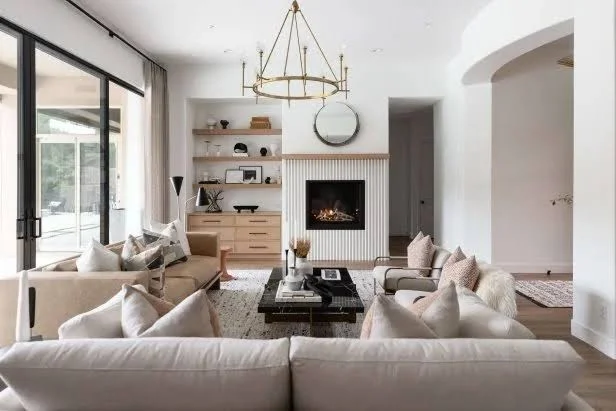
Interior Design Decorating Styles: A Complete Guide to Home Style
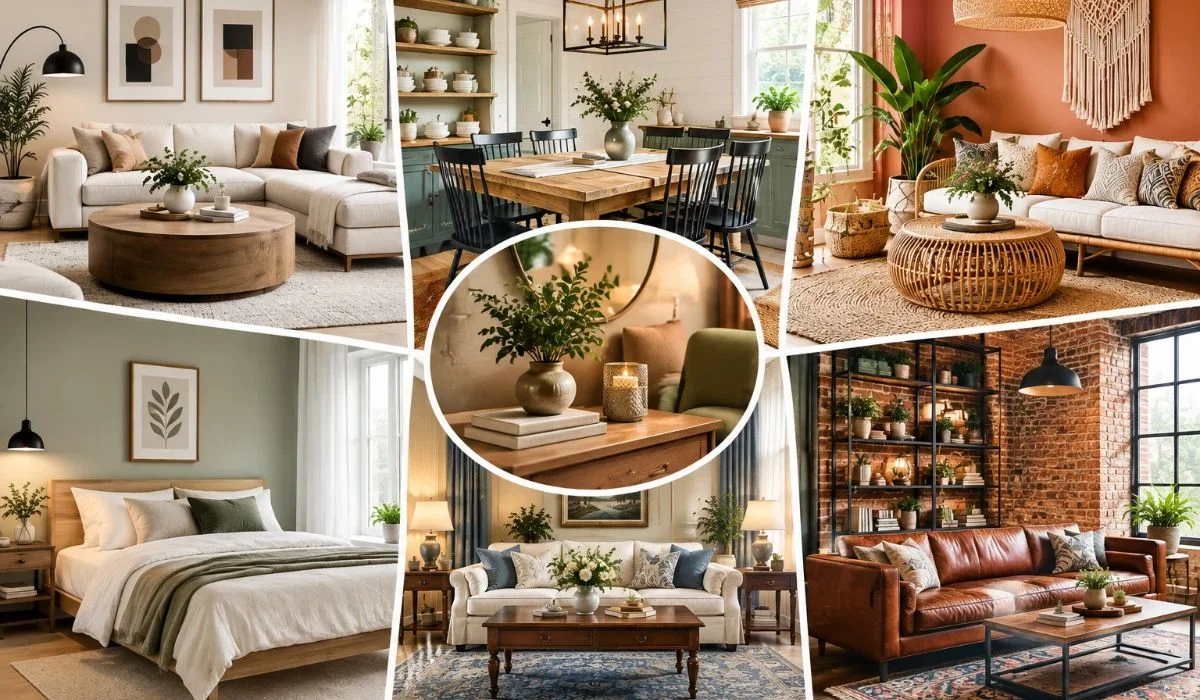
Choosing between different interior design decorating styles can be challenging because there are so many options. Modern, minimalist, Scandinavian, farmhouse, industrial, coastal, traditional, and other styles each create a different atmosphere through furniture, colors, materials, lighting, and accessories.
The good news is that you do not have to follow one style perfectly. Your home can combine several influences while still feeling cohesive. The key is understanding the characteristics of different interior design styles, deciding what suits your lifestyle, and making thoughtful choices about space, color, proportion, and function.
What Are Interior Design Decorating Styles?
Interior design decorating styles are recognizable approaches to creating the look and feel of an interior. They influence decisions such as furniture shapes, color palettes, materials, patterns, lighting, artwork, flooring, and decorative accessories.
Some styles are closely connected to particular historical movements, while others have developed from combinations of different influences. Modern, mid-century modern, traditional, and Art Deco, for example, have distinct historical backgrounds, while styles such as organic modern and Japandi combine ideas from different design traditions. Broad style guides reflect this variety, with some covering dozens of established and emerging approaches.
Popular Interior Design Styles
There are many home decor styles, but understanding their key features makes it easier to find a look that suits your home, lifestyle, and personal taste.
Modern Interior Design
Modern design focuses on clean lines, simple forms, functional furniture, and restrained decoration. Neutral colors, wood, glass, and metal are commonly used.
Modern and contemporary are different: modern design comes from a specific design movement, while contemporary style reflects current and evolving preferences.
Contemporary Interior Design
Contemporary interiors focus on current design ideas, clean furniture, open spaces, natural textures, and layered lighting.
Because the style changes over time, it works well with timeless furniture combined with a few updated decorative elements.
Minimalist Interior Design
Minimalism emphasizes simplicity, functionality, and visual calm. Furniture and decoration are kept purposeful rather than excessive.
Neutral colors, practical storage, clean shapes, and natural materials help create an uncluttered but comfortable space.
Scandinavian Interior Design
Scandinavian style combines simplicity, comfort, and practicality. Light wood, neutral colors, soft textiles, natural light, and functional furniture are common.
Good storage and carefully selected furniture help maintain its clean and welcoming appearance.
Mid-Century Modern
Mid-century modern is known for clean silhouettes, tapered legs, organic shapes, functional furniture, and warm wood tones.
A few pieces, such as a vintage-inspired chair or wooden sideboard, can introduce the style without making the room look completely retro.
Industrial Interior Design
Industrial style takes inspiration from warehouses and urban spaces, using metal, raw wood, brick, leather, and concrete-inspired finishes.
You can add industrial character through black metal shelving, wooden furniture, leather seating, or statement lighting without needing an actual loft.
Farmhouse Interior Design
Farmhouse design creates a warm, relaxed atmosphere with natural materials, wood, comfortable textiles, and neutral colors.
Modern farmhouse adds cleaner lines and contemporary details, creating a balanced look without excessive rustic decoration.
Coastal Interior Design
Coastal interiors use light colors, natural wood, linen, woven materials, and soft blue or sandy tones to create a relaxed atmosphere.
Rather than relying on obvious nautical decorations, focus on natural textures, daylight, and a calm color palette.
Bohemian Interior Design
Bohemian style is relaxed and expressive, combining patterns, plants, textiles, artwork, vintage pieces, and natural materials.
Repeating a few colors or textures helps keep the layered look visually connected instead of chaotic.
Traditional Interior Design
Traditional interiors feature balanced layouts, classic furniture, comfortable upholstery, wood details, and timeless decoration.
Modern artwork, updated lighting, or contemporary fabrics can refresh the style while keeping its classic character.
Transitional Interior Design
Transitional design combines traditional comfort with modern simplicity. It uses classic proportions, comfortable furniture, cleaner lines, and limited ornamentation.
It is a good choice for homeowners who want a timeless interior that feels updated without being overly contemporary.
Japandi Interior Design
Japandi blends Scandinavian simplicity with Japanese-inspired restraint and natural materials. The result is calm, warm, functional, and uncluttered.
Light wood, neutral colors, simple furniture, and natural textures are key elements of this style.
Organic Modern Interior Design
Organic modern combines modern simplicity with natural materials and softer textures. Wood, stone, linen, woven materials, curved furniture, and earthy colors are commonly used.
It works well for creating a contemporary home that feels warm, relaxed, and connected to nature.
How to Choose the Right Interior Design Style
Choosing your style becomes easier when you start with your lifestyle instead of a trend. Think about how you use your home, what you already own, and what kind of atmosphere makes you comfortable.
Consider Your Lifestyle
A family home may require durable upholstery, practical storage, and easy-to-clean surfaces. Someone who entertains frequently may need flexible seating and an open social area.
Your design should support everyday activities. A style may look attractive in photographs but become frustrating if it does not provide enough storage, comfortable seating, or usable space.
Study Your Existing Home
Look at the architecture, flooring, windows, doors, ceiling height, and natural light. These features can help determine which styles will feel natural in the space.
For example, a home with traditional molding may work beautifully with transitional furniture, while an apartment with large windows and simple architectural lines may suit modern or Scandinavian elements.
Build a Color and Material Palette
Before shopping, select a small group of colors and materials. You might choose warm white, beige, and muted green with oak and black metal, for example.
A defined palette makes it easier to determine whether a new sofa, rug, table, or accessory belongs in the room.
How to Mix Different Design Styles
You do not need to choose only one style. Mixing styles can make a home feel more personal, especially when you have inherited furniture or collected pieces over time.
The key is creating relationships between different elements. Use repeated colors, materials, shapes, or proportions to connect pieces that come from different design categories.
Choose One Dominant Style
Start with one primary direction. If modern design is your foundation, for example, you can introduce vintage, industrial, or farmhouse accents without allowing them to take over the entire room.
A dominant style creates structure, while secondary influences add personality.
Connect Styles Through Color
Color is one of the easiest ways to make different styles work together. A modern sofa, vintage cabinet, and traditional rug can feel connected when they share complementary colors.
You do not need everything to match. Coordination is usually more effective than exact matching.
Repeat Materials and Shapes
Repeating materials creates continuity. If a room contains wood furniture, you can repeat similar wood tones in shelving or accessories. Black metal can appear in lighting, table legs, and frames.
The same principle applies to shapes. Repeating curved or geometric forms can help different furniture styles feel related.
Choosing Styles for Different Rooms
Not every room has the same purpose, so your design choices should reflect how each space is used.
| Room | Styles That Can Work Well | Useful Design Focus |
| Living Room | Modern, Transitional, Scandinavian, Organic Modern | Comfort, seating, lighting |
| Bedroom | Minimalist, Scandinavian, Japandi, Traditional | Calm colors, textiles, storage |
| Kitchen | Modern, Farmhouse, Industrial, Transitional | Durability, workflow, storage |
| Dining Room | Traditional, Contemporary, Mid-Century Modern | Proportion, lighting, seating |
| Home Office | Modern, Minimalist, Scandinavian | Ergonomics, organization, lighting |
These are starting points rather than strict rules. A coastal bedroom or industrial kitchen can work equally well when the design choices suit the space and its users.
Expert Insights for Better Interior Design
Professional interior design involves more than selecting attractive colors and furniture. The American Society of Interior Designers explains that interior design considers functionality, materials, safety, accessibility, and the needs of the people using a space.
This is an important distinction when applying different design styles. A room should look good, but it should also allow people to move comfortably, access storage, use furniture safely, and perform everyday activities without unnecessary obstacles.
Start With Space Planning
Measure the room before buying major furniture. Consider door swings, windows, walkways, furniture clearances, and the relationship between seating areas.
A useful style can quickly become impractical if a large sofa blocks circulation or a dining table leaves insufficient room for chairs.
Layer the Design Gradually
Start with the main furniture and establish the basic palette. Add lighting, rugs, window treatments, artwork, and accessories afterward.
This approach gives you opportunities to adjust the room instead of committing to too many decorative purchases at once.
Think Beyond Appearance
Professional design also considers accessibility, comfort, safety, and long-term usability. ASID specifically identifies functionality, safety, accessibility, and inclusivity as important parts of interior design practice.
For a major renovation, building changes, or complex space-planning project, professional guidance can also help address applicable codes and technical requirements.
Benefits of Defining Your Decorating Style
Having a clear decorating direction can make the entire design process easier.
Easier Furniture Selection
When you understand your preferred style, you can quickly eliminate furniture that does not fit the room’s overall direction.
Better Visual Cohesion
A consistent approach to color, materials, and proportions helps different pieces work together.
More Controlled Spending
A style framework can reduce impulse purchases because you have a clear reason for choosing each item.
More Personal Spaces
Understanding styles does not mean copying a showroom. It gives you a foundation for selecting pieces that reflect your personality and lifestyle.
Common Mistakes to Avoid
Even a strong design concept can fail when practical considerations are ignored.
Copying a Room Exactly
A room photographed for a magazine may have completely different dimensions, lighting, ceiling height, and architectural features from your home. Use inspiration images for ideas rather than exact instructions.
Mixing Too Many Styles
Eclectic design can be successful, but randomly combining unrelated furniture can create visual noise. Give the room a dominant style and use secondary influences carefully.
Ignoring Scale and Proportion
A small coffee table can disappear in front of a large sectional, while oversized furniture can make a small room feel crowded. Compare furniture dimensions before buying.
Using Too Many Decorative Items
Accessories should support the room rather than compete with one another. Leave some empty visual space so important pieces can stand out.
Choosing Trend Over Function
A fashionable chair is not useful if it is uncomfortable. Attractive materials are not practical if they are difficult to maintain in your household.
Good design should balance appearance with everyday use.
Future Trends in Interior Design
Interior design is increasingly moving toward personalization rather than strict adherence to one style. Homeowners are combining vintage furniture, contemporary pieces, natural materials, handmade objects, and meaningful artwork to create spaces that feel individual.
Flexibility is also becoming more important. Rooms increasingly need to support multiple activities, which makes adaptable furniture, efficient storage, comfortable lighting, and multifunctional layouts valuable.
Another important direction is human-centered design. Professional organizations increasingly discuss accessibility, wellness, adaptability, and the broader effect of interior environments on people’s everyday experiences.
This suggests that future home decor styles will not only be judged by appearance. Comfort, usability, sustainability, adaptability, and personal meaning will continue to influence how people design their homes.
Conclusion
Understanding interior design decorating styles gives you a useful framework for creating a home that looks intentional while still reflecting your personality. Modern, minimalist, Scandinavian, farmhouse, industrial, coastal, traditional, transitional, Japandi, and organic modern styles each offer different approaches to color, furniture, materials, and atmosphere.
You do not need to choose one style and follow every rule. Start with your lifestyle, study your home’s architecture, create a practical color palette, and select furniture based on proportion and function. From there, you can introduce different interior design styles and personal details to create a space that feels comfortable, cohesive, and genuinely yours.
FAQs
What are interior design decorating styles?
They are recognizable approaches to decorating a home using particular combinations of furniture, colors, materials, textures, layouts, and decorative elements.
How do I know which interior design style suits me?
Look at rooms and furniture you repeatedly like, then identify common colors, materials, shapes, and atmospheres. Your lifestyle should also influence the final choice.
Can I combine different interior design styles?
Yes. Choose one dominant style and introduce another through furniture, artwork, lighting, textiles, or accessories while maintaining visual connections.
What is the difference between modern and contemporary style?
Modern design is associated with a specific historical design movement, while contemporary design refers more broadly to current and evolving preferences.
Which interior design style is best for a small home?
Minimalist, Scandinavian, Japandi, and modern approaches can work well because they often prioritize practical furniture, organization, clean lines, and visual simplicity.
Is farmhouse style still suitable for modern homes?
Yes. Modern farmhouse can combine natural materials and comfortable furniture with cleaner lines, contemporary lighting, and simpler decoration.