What Is Smart Home Interior Design? A Complete Guide to Modern Living
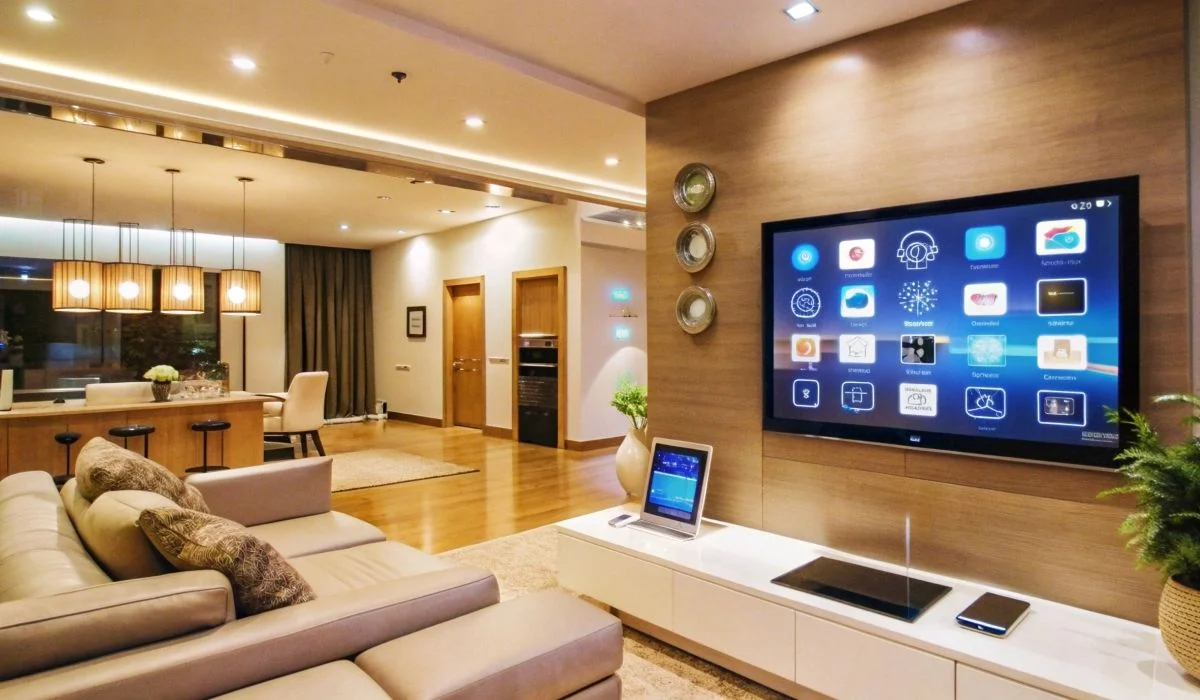
Smart home interior design combines stylish home décor with advanced technology to create living spaces that are comfortable, efficient, and easy to manage. Instead of focusing only on furniture and decoration, this design approach integrates smart devices into the home’s layout to improve convenience, security, energy efficiency, and everyday living.
Today, smart home interior design is becoming increasingly popular as homeowners look for ways to simplify daily tasks while maintaining a modern and attractive living environment. From voice-controlled lighting to automated window blinds, smart technology allows you to personalize your home and control many features with a smartphone or voice assistant.
Whether you’re designing a new house or upgrading an existing one, understanding smart home interior design can help you create a space that is both beautiful and functional.
What Is Smart Home Interior Design?
Smart home interior design is the process of combining interior design principles with smart technology. The goal is to create a home where technology blends naturally into the décor while making everyday life more comfortable and efficient.
Unlike traditional interior design, which mainly focuses on colors, furniture, and layouts, smart interior design also considers how technology can improve the way people interact with their homes. Smart lighting, climate control, security systems, entertainment devices, and automated appliances all work together to create a connected living environment.
The best smart homes do not feel filled with technology. Instead, the technology remains discreet while enhancing comfort and convenience.
Key Features of Smart Home Interior Design
A smart home is built around technology that improves everyday living without compromising style or comfort. These features work together to create a connected, efficient, and user-friendly environment where homeowners can manage different parts of their home with ease. From intelligent lighting systems to advanced security solutions, each feature is designed to save time, reduce energy consumption, and enhance convenience. Understanding these key components will help you plan a smart home that not only looks modern but also supports a more comfortable and efficient lifestyle.
Smart Lighting
Smart lighting is one of the most popular and practical features of a smart home interior. Unlike traditional lighting systems, smart LED bulbs and fixtures can be controlled through a smartphone app, voice assistant, or automated schedule. Homeowners can adjust brightness, change color temperatures, or even switch between millions of colors to create the perfect atmosphere for different activities. For example, bright white lighting is ideal for working or cooking, while warm lighting creates a cozy environment for relaxing in the evening.
Motion sensors add another level of convenience by automatically turning lights on when someone enters a room and switching them off when the room is empty. This not only makes daily life easier but also reduces unnecessary electricity consumption. Many smart lighting systems can also be programmed to follow daily routines, gradually brightening in the morning to simulate sunrise or dimming at night to encourage better sleep.
Smart Climate Control
Maintaining a comfortable indoor temperature becomes much easier with smart climate control systems. Smart thermostats monitor your heating and cooling preferences and automatically adjust the temperature throughout the day. Over time, these devices learn your daily routine and create personalized schedules that maximize both comfort and energy efficiency.
Many advanced systems use occupancy sensors or smartphone location tracking to determine whether anyone is at home. If the house is empty, the thermostat automatically reduces heating or cooling to save energy and then restores a comfortable temperature before you return. Some systems also provide detailed energy reports, helping homeowners identify opportunities to lower utility bills while reducing their environmental impact.
Voice-Controlled Devices
Voice-controlled technology has transformed the way people interact with their homes. Smart voice assistants allow homeowners to control multiple connected devices using simple spoken commands instead of manually operating switches or remote controls. With a single command, you can turn lights on or off, adjust the thermostat, play music, check the weather, set reminders, or control compatible household appliances.
These systems also support customized routines that perform several actions at once. For example, saying “Good Morning” can automatically open the curtains, switch on selected lights, start the coffee maker, and read the day’s schedule. This hands-free convenience makes everyday tasks faster while creating a more connected living experience.
Automated Window Treatments
Automated window treatments combine convenience, energy efficiency, and modern style. Motorized curtains and blinds can be opened or closed using a mobile app, voice assistant, remote control, or preset schedule. They can also respond automatically to sunlight levels, weather conditions, or room temperature.
During hot summer afternoons, blinds can close automatically to reduce indoor heat and lower air conditioning costs. In colder months, they can open during the day to allow natural sunlight to warm the room. Besides improving energy efficiency, automated window treatments enhance privacy, protect furniture from harmful UV rays, and eliminate the need for manually adjusting curtains throughout the day.
Smart Security Systems
Security is one of the biggest reasons homeowners invest in smart home technology. Modern smart security systems include connected door locks, video doorbells, surveillance cameras, motion detectors, window sensors, smoke alarms, and smart alarm systems that can all be monitored through a smartphone.
These systems provide real-time notifications whenever unusual activity is detected, allowing homeowners to respond quickly no matter where they are. Live video feeds, two-way communication through video doorbells, and remote door locking offer additional peace of mind. Many smart security systems can also integrate with lighting and alarms to automatically respond to potential threats, making homes safer for families and valuable belongings.
Smart Entertainment Systems
Smart entertainment systems create a seamless multimedia experience while maintaining a clean and organized interior. Smart televisions, wireless speakers, streaming devices, and home theater systems can all be connected through a central control system, allowing homeowners to manage everything from a single app or voice assistant.
Instead of dealing with multiple remote controls and visible cables, users can easily stream movies, play music in different rooms, or create customized entertainment settings for family movie nights or social gatherings. Hidden speakers, wall-mounted televisions, and built-in sound systems also contribute to a modern interior by reducing clutter and preserving the room’s overall design. With smart entertainment technology, homeowners enjoy both high-quality audio and video experiences while maintaining a stylish and functional living space.
Benefits of Smart Home Interior Design
Smart home interior design offers much more than a modern appearance. By combining innovative technology with thoughtful interior planning, homeowners can enjoy a living space that is more comfortable, secure, efficient, and convenient. Whether you are upgrading a single room or designing an entire home, smart features can improve your daily routine while adding long-term value to your property. Below are some of the biggest advantages of incorporating smart technology into your home’s interior design.
Greater Convenience
One of the biggest benefits of smart home interior design is the convenience it brings to everyday life. Smart technology automates routine tasks that would normally require manual effort. Instead of walking around the house to switch off lights, adjust the thermostat, or close the curtains, homeowners can control everything using a smartphone app, tablet, or simple voice commands.
Many smart home systems also allow users to create customized routines. For example, a single command such as “Good Night” can automatically turn off the lights, lock the doors, adjust the thermostat, and activate the security system. This level of automation saves time, simplifies daily activities, and creates a more comfortable living experience for the entire family.
Improved Energy Efficiency
Energy efficiency is one of the most important reasons homeowners invest in smart home technology. Smart lighting systems automatically switch off lights in empty rooms, while smart thermostats optimize heating and cooling based on occupancy and daily schedules. These intelligent systems help reduce unnecessary energy consumption without sacrificing comfort.
Smart appliances also contribute to lower electricity bills by operating more efficiently than traditional devices. Some systems even provide detailed reports on energy usage, allowing homeowners to identify areas where they can save more energy. Over time, these improvements can significantly reduce utility costs while supporting a more environmentally friendly lifestyle.
Better Home Security
Smart home interior design also enhances home security by integrating advanced protection systems into the overall design. Smart locks, video doorbells, surveillance cameras, motion detectors, and connected alarm systems allow homeowners to monitor their property from anywhere using a smartphone.
Real-time alerts notify users whenever unusual activity is detected, while live video feeds provide instant access to security cameras. Homeowners can lock or unlock doors remotely, communicate with visitors through smart doorbells, and receive notifications if windows or doors are left open. These features provide greater peace of mind whether you are at home, at work, or traveling.
Enhanced Comfort
A smart home is designed to adapt to your lifestyle and personal preferences. Automated lighting adjusts brightness according to the time of day, while smart climate control maintains a comfortable indoor temperature without constant manual adjustments. Motorized curtains regulate natural light and privacy, creating a pleasant environment throughout the day.
Many smart systems learn your daily habits and automatically make adjustments based on your routine. For example, the thermostat can warm the house before you wake up, while lighting gradually dims in the evening to create a relaxing atmosphere. These personalized features improve comfort while making your home feel more responsive to your needs.
Increased Property Value
As smart technology becomes more common, homes equipped with intelligent features are becoming increasingly attractive to buyers. Modern homebuyers often look for properties that include energy-efficient systems, advanced security, automated lighting, and smart climate control because these features offer both convenience and long-term savings.
A well-designed smart home not only improves daily living but also increases the overall appeal of the property. Investing in smart interior design can enhance resale value and make your home stand out in a competitive real estate market.
Popular Smart Home Interior Design Ideas
Smart technology can be integrated into every room of the house without sacrificing style or comfort. The following design ideas demonstrate how modern technology and beautiful interiors can work together to create functional and visually appealing living spaces.
Minimalist Smart Living Room
A minimalist smart living room focuses on clean lines, open spaces, and hidden technology. Keep furniture simple and avoid unnecessary decorative items to maintain an uncluttered appearance. Hide cables, routers, gaming consoles, and other electronic devices inside custom-built cabinets or floating entertainment units for a seamless look.
Install smart LED lighting behind televisions, shelves, or wall panels to create ambient lighting that can be adjusted for different moods. Voice-controlled speakers, motorized curtains, and a smart thermostat further enhance comfort while preserving the room’s modern aesthetic.
Smart Kitchen
The kitchen is one of the best places to incorporate smart technology because it improves both convenience and efficiency. Smart refrigerators can monitor food inventory, suggest recipes, and notify homeowners when groceries are running low. Touchless faucets improve hygiene while reducing water waste.
Voice-controlled lighting, smart ovens, connected coffee makers, and automated ventilation systems make cooking easier and more enjoyable. Combining these features with modern cabinetry, quartz countertops, and organized storage creates a stylish and highly functional kitchen.
Smart Bedroom
A smart bedroom is designed to promote relaxation, comfort, and better sleep quality. Automated blackout curtains can close at bedtime and open gradually in the morning to simulate natural sunlight. Smart lighting allows users to adjust brightness and color temperature according to different activities, such as reading or winding down before sleep.
Smart thermostats maintain an ideal sleeping temperature, while voice-controlled alarm systems, wireless charging stations, and integrated speakers create a peaceful and convenient environment that supports healthy daily routines.
Smart Bathroom
Modern smart bathrooms combine luxury with advanced technology. Motion-sensor lighting improves convenience during nighttime visits, while smart mirrors display weather updates, calendars, or daily news while you prepare for the day.
Heated flooring provides additional comfort during colder months, and digital shower systems allow users to save personalized temperature settings for every family member. Touchless faucets and automatic ventilation systems also improve hygiene and energy efficiency.
Smart Home Office
A productive home office benefits greatly from smart technology. Adjustable LED lighting reduces eye strain throughout the day, while ergonomic furniture supports better posture during long working hours. Wireless charging stations eliminate cable clutter, and smart climate control maintains a comfortable working environment.
Voice assistants can schedule meetings, set reminders, and control connected devices, helping professionals stay organized and focused. A clean workspace combined with intelligent technology creates an environment that encourages productivity and efficiency.
Design Tips for a Smart Home
Creating a smart home is about more than simply purchasing the latest technology. A successful smart home combines functionality, comfort, and beautiful interior design to create a seamless living experience.
- Choose technology that fits your lifestyle. Instead of installing every available smart device, focus on features that genuinely improve your daily routine and solve practical problems.
- Hide cables and electronic equipment. Use built-in storage, floating cabinets, wall-mounted televisions, and cable management systems to maintain a clean and organized appearance.
- Select compatible smart devices. Choosing products that work within the same smart home ecosystem makes automation easier and ensures all devices communicate smoothly.
- Use layered lighting. Combine ceiling lights, task lighting, accent lighting, and smart LED strips to create flexible lighting scenes for different activities and moods.
- Maintain a consistent interior design style. Technology should complement your home’s décor rather than dominate it. Select smart devices that blend naturally with your furniture, colors, and architectural style.
- Plan for future upgrades. Invest in flexible systems that can be expanded as new smart technologies become available, allowing your home to evolve without requiring major renovations.
- Prioritize security and privacy. Protect your smart home by using strong passwords, enabling two-factor authentication, and keeping device software updated to ensure reliable performance and cybersecurity.
Common Mistakes to Avoid
- Buying smart devices that are not compatible with each other.
- Overloading rooms with unnecessary technology.
- Ignoring cybersecurity and software updates.
- Forgetting manual controls for essential systems.
- Choosing technology before planning the room layout.
Future of Smart Home Interior Design
The future of smart home interior design is centered on artificial intelligence, automation, and sustainability. Homes are becoming more responsive, learning homeowners’ habits and automatically adjusting lighting, temperature, and security settings.
AI-powered assistants, energy-efficient systems, wireless charging furniture, smart glass windows, and integrated home management platforms are expected to become increasingly common over the next few years.
As technology continues to evolve, smart homes will become even more personalized, helping homeowners save time, reduce energy costs, and enjoy greater comfort.
Conclusion
Smart home interior design is changing the way people experience their homes by combining elegant interiors with intelligent technology. Instead of choosing between beauty and functionality, homeowners can enjoy both through carefully integrated smart solutions.
From automated lighting and climate control to advanced security and entertainment systems, smart homes provide greater convenience, improved energy efficiency, enhanced comfort, and increased property value. By selecting technology that complements your lifestyle and interior design, you can create a modern living space that remains practical, attractive, and ready for the future.
FAQs
What is smart home interior design?
Smart home interior design combines modern interior design with connected technology to create homes that are stylish, comfortable, secure, and energy-efficient.
Is smart home interior design expensive?
The cost depends on the devices you choose. You can start with affordable smart lighting and speakers, then gradually add thermostats, security systems, and automated appliances.
Can smart technology fit any interior style?
Yes. Smart devices can be integrated into modern, contemporary, minimalist, Scandinavian, traditional, and many other interior design styles.
Does a smart home save energy?
Yes. Smart lighting, automated thermostats, and energy-efficient appliances help reduce electricity usage and lower utility bills.
Is smart home technology secure?
Most smart home systems are secure when homeowners use strong passwords, enable two-factor authentication, and regularly update device software.