Interior Design with Sustainable Materials: A Complete Guide to Creating an Eco-Friendly Home
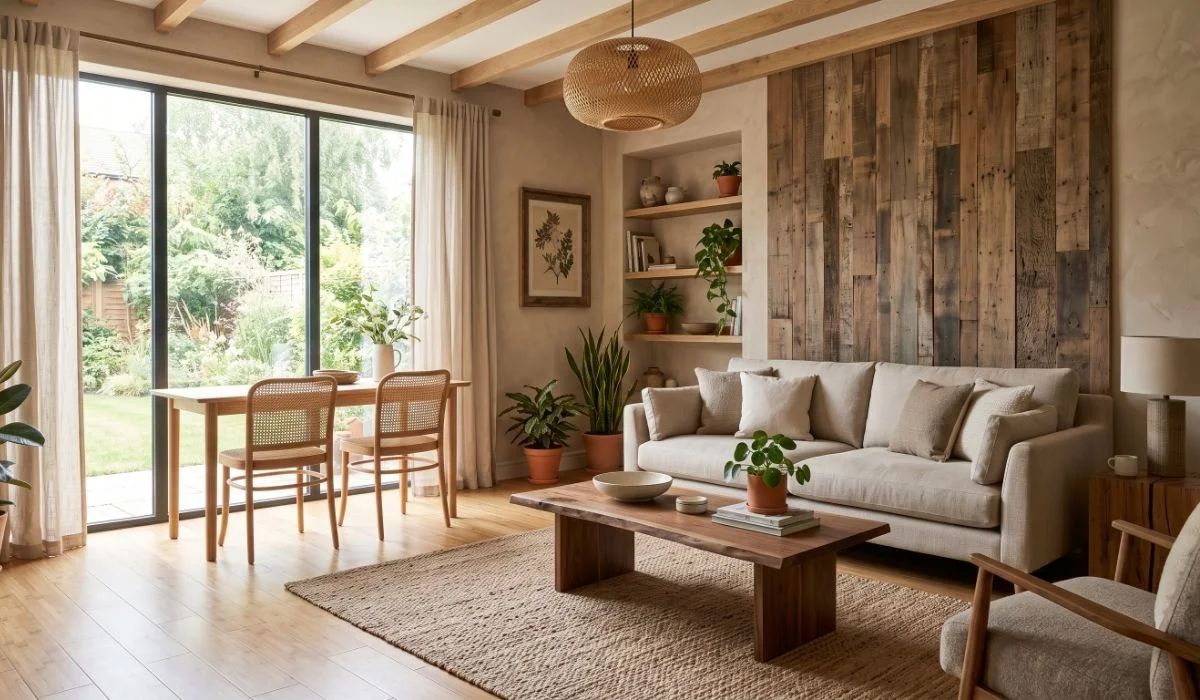
Modern homeowners are increasingly looking for ways to create stylish living spaces while reducing their environmental footprint. One of the most effective approaches is embracing interior design with sustainable materials. This design philosophy seamlessly combines beauty, comfort, and durability with ecological responsibility to create homes that are healthier for both people and the planet.
Unlike conventional decor practices, interior design with sustainable materials prioritizes renewable, recycled, reclaimed, and low-impact resources over carbon-heavy alternatives. Using sustainable materials helps conserve natural resources, minimize landfill waste, eliminate toxic off-gassing to improve indoor air quality, and deliver exceptional long-term durability.
Whether you are renovating an entire property or updating a single room, opting for interior design with sustainable materials allows you to curate a timeless, modern aesthetic that supports a healthier lifestyle without harming the environment. In this comprehensive guide, you will learn everything about the core benefits, top eco-friendly materials, and emerging trends shaping the future of green living spaces.
What Is Sustainable Interior Design?
Sustainable interior design is the practice of designing indoor spaces using environmentally friendly materials, energy-efficient solutions, and responsible manufacturing processes.
The primary goal is to reduce the environmental footprint of a home without sacrificing comfort, beauty, or functionality.
This design approach considers the entire life cycle of materials, including:
- Raw material sourcing
- Manufacturing process
- Transportation
- Installation
- Daily use
- Maintenance
- Recycling or disposal
Instead of constantly replacing furniture and finishes, sustainable design encourages investing in high-quality products that remain beautiful and functional for many years.
Why Sustainable Materials Matter
The construction and interior design industries consume enormous amounts of natural resources every year. Traditional materials often involve:
- High carbon emissions
- Chemical pollution
- Landfill waste
- Excessive water consumption
Sustainable materials help solve these problems by reducing environmental damage while providing healthier living spaces.
Many eco-friendly materials also contain fewer harmful chemicals, making them safer for families, children, and pets.
Benefits of Interior Design with Sustainable Materials
Interior design with sustainable materials helps reduce waste and protect natural resources. It can also improve indoor air quality, save energy, and create healthier living spaces. Durable eco-friendly materials can last longer and reduce the need for frequent replacements.
Reduces Environmental Impact
One of the biggest benefits is lowering your home’s environmental footprint.
Sustainable materials require fewer natural resources, generate less pollution, and often involve recycled or renewable products that reduce waste.
Every environmentally responsible choice contributes to preserving forests, reducing greenhouse gas emissions, and protecting ecosystems.
Improves Indoor Air Quality
Many traditional paints, flooring products, adhesives, and furniture release volatile organic compounds (VOCs) into the air.
These chemicals may contribute to:
- Headaches
- Allergies
- Eye irritation
- Respiratory problems
Eco-friendly materials typically contain low or zero VOCs, creating healthier indoor environments.
Long-Term Cost Savings
Although sustainable materials sometimes have higher initial costs, they often provide excellent long-term value.
Durable materials last longer, require fewer repairs, and reduce replacement costs.
Energy-efficient products also lower monthly utility bills.
Creates Timeless Beauty
Natural materials rarely go out of style.
Wood, stone, bamboo, cork, linen, and recycled metal create interiors that remain attractive for decades rather than following short-lived design trends.
Supports Ethical Manufacturing
Many sustainable brands focus on:
- Fair labor practices
- Responsible forestry
- Renewable energy
- Reduced carbon emissions
- Ethical sourcing
Choosing these products supports environmentally responsible businesses.
Best Sustainable Materials for Interior Design
Sustainable materials can make your home more eco-friendly while keeping it stylish and comfortable. Options like bamboo, reclaimed wood, recycled glass, natural stone, and cork are durable and have a lower environmental impact. These materials can also add warmth and natural beauty to different interior styles.
Bamboo
Bamboo is one of the fastest-growing plants on Earth.
Unlike hardwood trees that require decades to mature, bamboo reaches harvest age within just a few years.
Advantages
- Renewable resource
- Strong and durable
- Moisture resistant
- Modern appearance
- Suitable for flooring and furniture
Bamboo works particularly well in contemporary and minimalist interiors.
Reclaimed Wood
Reclaimed wood comes from old barns, factories, warehouses, and demolished buildings.
Instead of cutting new trees, reclaimed lumber is cleaned, restored, and reused.
Common Uses
- Accent walls
- Dining tables
- Ceiling beams
- Shelving
- Cabinets
- Coffee tables
Every reclaimed wood piece has unique grain patterns and character.
Cork
Cork is harvested from the bark of cork oak trees without cutting down the tree.
The bark naturally regenerates every few years.
Benefits
- Soft underfoot
- Excellent insulation
- Naturally antimicrobial
- Comfortable
- Renewable
Cork flooring is especially popular in bedrooms and home offices.
Recycled Glass
Recycled glass is transformed into beautiful countertops, decorative tiles, backsplashes, and wall panels.
Benefits include:
- Diverts waste from landfills
- Easy maintenance
- Modern appearance
- Unique colors and textures
Recycled Metal
Steel and aluminum can be recycled repeatedly without losing strength.
These materials are widely used in:
- Furniture
- Decorative lighting
- Kitchen fixtures
- Stair railings
- Shelving
Natural Stone
Stone remains one of the longest-lasting building materials available.
Popular options include:
- Granite
- Slate
- Marble
- Limestone
- Travertine
Locally sourced stone further reduces transportation emissions.
Recycled Plastic
Modern technology transforms recycled plastic into durable furniture, outdoor décor, decorative panels, and composite materials.
Using recycled plastic helps reduce landfill waste and ocean pollution.
Natural Clay
Clay-based wall finishes have been used for centuries.
They naturally regulate indoor humidity while adding warmth and texture to interiors.
Clay plaster contains very few harmful chemicals compared to synthetic alternatives.
Linen
Linen comes from the flax plant and requires significantly less water than cotton.
Advantages include:
- Biodegradable
- Breathable
- Durable
- Elegant texture
- Long lifespan
Linen works beautifully for curtains, upholstery, bedding, and cushions.
Organic Cotton
Organic cotton is grown without harmful pesticides or synthetic fertilizers.
It is commonly used for:
- Bedding
- Curtains
- Upholstery
- Towels
- Decorative textiles
Sustainable Flooring Options
Choosing eco-friendly flooring has a major impact on overall sustainability.
Popular options include:
- Bamboo flooring
- Cork flooring
- Reclaimed hardwood
- Recycled wood flooring
- Natural stone
- Polished concrete
- Recycled tile
These materials offer durability while minimizing environmental impact.
Eco-Friendly Wall Finishes
Walls cover large areas, making material selection important.
Sustainable wall finishes include:
- Low-VOC paint
- Clay plaster
- Lime plaster
- Recycled wallpaper
- Wood paneling from certified forests
- Natural stone accents
These materials improve indoor air quality while creating beautiful textures.
Sustainable Furniture Choices
Furniture represents one of the largest purchases in any home.
Choose pieces made from:
- FSC-certified wood
- Reclaimed wood
- Bamboo
- Recycled metal
- Recycled plastic
- Organic fabrics
Invest in timeless furniture rather than trendy items that may quickly become outdated.
Eco-Friendly Kitchen Design
The kitchen offers many opportunities for sustainable upgrades.
Consider:
- Bamboo cabinets
- Recycled glass countertops
- LED lighting
- Water-saving faucets
- Energy-efficient appliances
- Recycled tile backsplashes
Durable materials reduce waste while creating an attractive cooking space.
Sustainable Bathroom Design
Bathrooms consume significant amounts of water and energy.
Eco-friendly improvements include:
- Low-flow toilets
- Water-saving showerheads
- Recycled glass tiles
- Bamboo vanities
- Natural stone countertops
- LED lighting
These upgrades reduce utility bills while protecting natural resources.
Bedroom Design with Sustainable Materials
The bedroom should promote health and relaxation.
Choose:
- Organic cotton bedding
- Linen curtains
- FSC-certified furniture
- Low-VOC paint
- Wool rugs
- Natural latex mattresses
Natural materials improve comfort while reducing exposure to harmful chemicals.
Living Room Sustainable Design Ideas
A sustainable living room can include:
- Reclaimed wood coffee tables
- Bamboo shelving
- Organic cotton sofas
- Linen cushions
- LED lighting
- Wool rugs
- Indoor plants
These elements create warmth while maintaining environmental responsibility.
Energy-Efficient Lighting
Lighting significantly affects household energy consumption.
Choose:
- LED bulbs
- Smart lighting systems
- Large windows for daylight
- Solar-powered outdoor lighting
- Motion sensors
LED lighting consumes much less electricity than traditional bulbs and lasts significantly longer.
Importance of Indoor Plants
Plants naturally enhance sustainable interiors.
Benefits include:
- Improved air quality
- Increased humidity
- Reduced stress
- Natural decoration
- Better indoor comfort
Popular indoor plants include:
- Snake plant
- Peace lily
- Spider plant
- Pothos
- Rubber plant
Tips for Designing a Sustainable Home
Buy Less but Buy Better
Invest in quality products that last many years.
Avoid disposable furniture and short-term trends.
Choose Local Materials
Locally sourced products reduce transportation emissions while supporting nearby businesses.
Reuse Existing Furniture
Instead of replacing furniture, consider:
- Refinishing wood
- Repainting cabinets
- Reupholstering sofas
- Repairing damaged pieces
Prioritize Durability
Long-lasting materials generate less waste over time.
Focus on quality instead of low prices alone.
Select Certified Products
Look for certifications such as:
- FSC (Forest Stewardship Council)
- GREENGUARD
- Cradle to Cradle
- Global Organic Textile Standard (GOTS)
These certifications indicate responsible environmental practices.
Common Mistakes to Avoid
Many homeowners unintentionally make sustainability mistakes.
Avoid:
- Buying cheap furniture that wears out quickly
- Choosing style over durability
- Ignoring product certifications
- Purchasing excessive decorations
- Using high-VOC paints
- Following short-lived design trends
- Replacing quality items unnecessarily
Thoughtful planning leads to better long-term results.
Future Trends in Sustainable Interior Design
Sustainable design continues to evolve with new technologies and consumer preferences.
Emerging trends include:
- Carbon-neutral furniture
- Bio-based materials
- Recycled composite surfaces
- Smart energy management systems
- Modular furniture
- Circular design principles
- Upcycled décor
- Zero-waste manufacturing
As innovation grows, eco-friendly homes will become even more accessible and affordable.
Conclusion
Interior design with sustainable materials is more than a design trend—it is a practical approach to creating healthier, longer-lasting, and environmentally responsible homes. By choosing renewable resources like bamboo and cork, reclaimed wood, recycled glass, natural stone, organic textiles, and low-VOC finishes, homeowners can reduce their environmental impact without compromising on style or comfort.
Sustainable interiors also provide long-term value through durability, improved indoor air quality, lower energy consumption, and timeless aesthetics. Whether you’re updating a single room or designing an entire home, every eco-friendly choice contributes to a more sustainable future. Investing in quality materials today helps create beautiful living spaces that benefit both your family and the planet for years to come.
FAQs
What are sustainable materials in interior design?
Eco-friendly materials that are renewable, recycled, reclaimed, or responsibly sourced.
Why is sustainable interior design important?
It reduces environmental impact, saves resources, and creates healthier spaces.
What is the most eco-friendly flooring option?
Bamboo, cork, reclaimed wood, and polished concrete are sustainable options.
Are sustainable materials expensive?
They can cost more initially but often save money through durability and lower maintenance.
How can I make my home more sustainable?
Use LED lights, low-VOC paints, organic textiles, and reclaimed furniture.
Which fabrics are best for eco-friendly interior design?
Organic cotton, linen, hemp, wool and recycled fabrics are good choices.