Waterway Gardens: A Complete Guide to Beautiful Water Garden Design
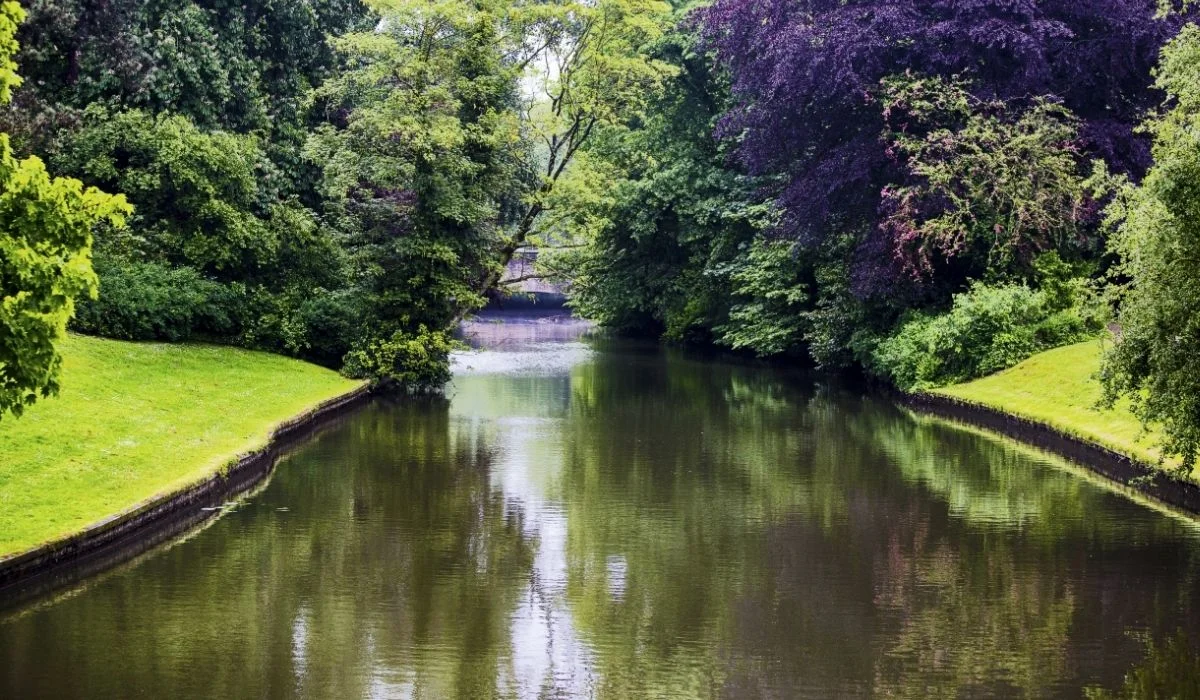
Waterway gardens combine the beauty of water with carefully selected plants, natural stone, and thoughtful landscaping to create peaceful outdoor spaces. Whether you have a large backyard or a compact garden, adding a water feature can transform the area into a relaxing retreat filled with movement, wildlife, and visual interest.
Unlike a traditional flower garden, a waterway garden focuses on ponds, streams, waterfalls, fountains, or other water elements that blend naturally with surrounding plants. These gardens are popular among homeowners, landscape designers, and nature lovers because they create a calm atmosphere while increasing the beauty and value of a property.
In this guide, you’ll learn what a waterway garden is, its benefits, different design styles, essential plants, maintenance tips, common mistakes to avoid, and expert advice for creating a stunning outdoor space.
What Is a Waterway Gardens?
A waterway garden is a landscaped outdoor area that uses water as its central feature. It may include ponds, flowing streams, waterfalls, fountains, or decorative channels surrounded by aquatic plants, flowers, rocks, and pathways. The goal is to create a natural-looking environment that blends water with greenery.
These gardens can range from simple backyard ponds to elaborate landscapes with multiple water features. Some homeowners design them to attract birds, butterflies, frogs, and fish, while others focus on creating a peaceful place for relaxation.
A well-designed waterway garden balances beauty with functionality. It provides a habitat for wildlife, improves the appearance of outdoor spaces, and creates soothing sounds that make the garden more enjoyable throughout the year.
Why Water Features Are So Popular
Water naturally attracts attention because it adds movement and sound to a landscape. Even a small fountain can make a garden feel more vibrant and inviting. Larger waterway gardens create an immersive experience where visitors can enjoy flowing water, colorful plants, and natural surroundings.
Many people also appreciate the calming effect of water. Sitting near a pond or stream can reduce stress and provide a quiet escape from busy daily life.
Benefits of Waterway Gardens
Creating a waterway garden offers much more than visual appeal. It combines natural beauty with practical advantages that improve the overall outdoor environment. From creating a peaceful retreat to supporting local wildlife, a well-designed waterway garden can transform an ordinary landscape into a vibrant and functional space. Here are some of the key benefits.
Creates a Relaxing Atmosphere
One of the biggest advantages of a waterway garden is the calming environment it creates. The gentle sound of flowing water helps reduce stress, promote relaxation, and block out unwanted noise from nearby roads or neighborhoods. Many homeowners use these spaces for meditation, reading, yoga, or simply enjoying a quiet moment outdoors. Adding comfortable seating and surrounding plants can make the area feel like a private natural retreat where family and friends can unwind.
Improves Property Appearance
A professionally designed water feature quickly becomes the focal point of any landscape. Flowing streams, decorative ponds, waterfalls, and aquatic plants add movement, texture, and color that make the garden more visually appealing throughout the year. Water reflects sunlight and surrounding greenery, creating a dynamic look that changes with the seasons. Whether your garden has a modern or traditional design, a waterway feature adds elegance and makes the entire property feel more inviting.
Supports Wildlife
Waterway gardens provide a valuable habitat for many forms of wildlife. Birds visit for drinking and bathing, while dragonflies, butterflies, frogs, and other beneficial insects are naturally attracted to the water and surrounding vegetation. These visitors help maintain a healthier garden by supporting pollination and reducing harmful pests. Creating a wildlife-friendly environment also allows homeowners to enjoy observing nature from the comfort of their own backyard.
Enhances Biodiversity
A healthy waterway garden supports a diverse ecosystem where aquatic plants, fish, beneficial bacteria, and microorganisms work together to maintain natural balance. Aquatic plants help filter the water by absorbing excess nutrients, while beneficial bacteria break down organic waste. Fish and other aquatic life contribute to the ecosystem by controlling insects and maintaining ecological stability. This natural balance improves water quality and encourages stronger, healthier plant growth throughout the garden.
Increases Property Value
High-quality landscaping is often a worthwhile investment, and a well-maintained waterway garden can increase the overall value of a property. Attractive outdoor features make homes stand out in the real estate market and create a memorable first impression for potential buyers. In addition to improving curb appeal, a thoughtfully designed water feature adds a sense of luxury and uniqueness that many buyers appreciate. Even if you are not planning to sell your home soon, a beautiful waterway garden enhances everyday outdoor living and provides lasting enjoyment for years to come.
Popular Types of Waterway Gardens
Every garden is unique, and choosing the right style depends on available space, budget, and personal preferences.
Natural Pond Gardens
Natural pond gardens imitate lakes or wetlands with irregular edges, aquatic plants, stones, and fish. They blend seamlessly into surrounding landscapes and require relatively low maintenance once established.
These gardens often include water lilies, reeds, and floating plants that help maintain water quality while providing shelter for wildlife.
Stream Gardens
Stream gardens feature gently flowing water that travels through rocks and plants before entering a pond or reservoir.
The movement of water creates pleasant sounds and improves oxygen levels, making the environment healthier for fish and aquatic plants.
Waterfall Gardens
A waterfall adds dramatic beauty and movement to a landscape. Water cascades over natural rocks into a pond below, creating an eye-catching centerpiece.
Besides improving aesthetics, waterfalls circulate water and reduce stagnation, helping maintain a cleaner pond.
Fountain Gardens
Fountain gardens are perfect for smaller spaces where a full pond isn’t practical. Decorative fountains provide the relaxing sound of flowing water without requiring extensive landscaping.
Modern fountains are available in traditional stone designs as well as contemporary styles that complement modern homes.
Essential Elements of a Beautiful Waterway Garden
A beautiful waterway garden is created by combining several carefully planned elements that work together to form a balanced and natural-looking landscape. Each feature plays an important role in improving the garden’s appearance, supporting plant and aquatic life, and creating a relaxing outdoor environment. When these elements are thoughtfully designed, the result is a space that is both visually appealing and easy to enjoy.
Water Feature
The pond, stream, fountain, or waterfall serves as the centerpiece of a waterway garden and is usually the first feature people notice. Its size and design should complement the overall landscape rather than overpower it. A gently flowing stream creates a peaceful atmosphere, while a waterfall adds movement and the soothing sound of running water. Choosing the right water feature helps establish the garden’s overall style and creates a strong focal point that ties the entire landscape together.
Aquatic Plants
Aquatic plants are essential for both the beauty and health of a waterway garden. Water lilies, lotus flowers, floating plants, and marginal plants add vibrant colors, interesting textures, and seasonal interest throughout the year. Beyond their decorative value, these plants help improve water quality by absorbing excess nutrients, reducing algae growth, and providing shade that keeps the water cooler. They also create shelter for fish and beneficial insects, supporting a healthier aquatic ecosystem.
Rocks and Stones
Natural rocks and stones give a waterway garden a realistic and timeless appearance. They help define the edges of ponds and streams while creating a smooth transition between the water and surrounding landscape. Larger boulders can become attractive focal points, while smaller stones add texture and visual balance. In addition to their decorative role, rocks help stabilize the soil, reduce erosion around water features, and provide resting places for birds, frogs, and other wildlife.
Lighting
Well-planned outdoor lighting extends the beauty of a waterway garden into the evening hours. Spotlights can highlight waterfalls, fountains, decorative trees, or unique plants, creating dramatic visual effects after sunset. Underwater lights add depth and sparkle to ponds, while pathway lights improve visibility and safety for nighttime walks. Energy-efficient LED lighting is a popular choice because it provides long-lasting illumination while keeping electricity costs low.
Seating Areas
Comfortable seating areas encourage people to spend more time enjoying the peaceful surroundings of a waterway garden. Benches, pergolas, gazebos, patios, or shaded decks provide ideal spaces for relaxing, reading, entertaining guests, or simply listening to the sound of flowing water. Positioning seating where it offers the best views of the water feature allows homeowners to fully appreciate the garden’s beauty. Adding cushions, outdoor furniture, or decorative planters can further transform the space into a welcoming outdoor retreat suitable for everyday relaxation.
Best Plants for Waterway Gardens
Selecting the right plants is essential for both appearance and water quality.
| Plant Type | Benefits |
| Water Lilies | Provide shade and colorful flowers |
| Lotus | Creates a dramatic focal point |
| Cattails | Natural appearance and wildlife habitat |
| Iris | Bright seasonal blooms |
| Papyrus | Adds height and texture |
| Pickerel Weed | Attractive flowers and pollinator support |
| Water Lettuce | Floating coverage that reduces algae growth |
| Marsh Marigold | Early spring color |
Combining floating, submerged, and marginal plants creates a balanced ecosystem while adding visual interest throughout the year.
How to Design Waterway Gardens
Planning is the foundation of a successful waterway garden. Before digging or installing water features, evaluate your available space, sunlight, soil type, and drainage conditions. Most aquatic plants perform best with at least six hours of sunlight each day, while shaded areas may require different plant selections.
Next, decide on the purpose of your garden. Some homeowners want a peaceful retreat with a small pond and seating area, while others prefer a vibrant landscape with waterfalls, fish, bridges, and colorful planting beds. Having a clear vision helps you choose the right materials and layout.
When designing the space, use curved pathways, natural stone borders, and layers of plants with different heights. This creates a more organic appearance than straight lines and sharp corners. Incorporating native plants also makes maintenance easier and supports local wildlife.
Finally, think about long-term maintenance. Installing a quality filtration system, selecting hardy aquatic plants, and providing easy access for cleaning will keep your waterway garden healthy and attractive for years.
Conclusion
A well-designed waterway garden is more than just an attractive landscape feature. It creates a peaceful environment, supports local wildlife, and adds lasting beauty to any outdoor space. Whether you choose a simple pond, a flowing stream, a decorative fountain, or a complete water garden, careful planning and regular maintenance are the keys to long-term success.
By selecting the right aquatic plants, using quality materials, and following good maintenance practices, you can build a waterway garden that remains healthy and visually appealing throughout the year. As sustainable landscaping continues to grow in popularity, waterway gardens offer an excellent way to enjoy nature while enhancing your property’s value and outdoor living experience.
FAQs
1. What is a waterway garden?
A waterway garden is a landscaped outdoor space that features water elements such as ponds, streams, waterfalls, or fountains combined with aquatic plants and decorative landscaping.
2. What plants grow best in a waterway garden?
Popular choices include water lilies, lotus, iris, papyrus, pickerel weed, cattails, marsh marigold, and other aquatic plants suited to your climate.
3. Are waterway gardens difficult to maintain?
Not necessarily. With proper filtration, regular cleaning, healthy aquatic plants, and occasional maintenance, a waterway garden can be easy to manage.
4. Can I build a waterway garden in a small backyard?
Yes. Small ponds, container water gardens, and decorative fountains are excellent options for compact outdoor spaces.
5. Do waterway gardens attract wildlife?
Yes. They often attract birds, butterflies, dragonflies, frogs, and other beneficial wildlife, helping create a healthy garden ecosystem.
6. How can I keep pond water clean?
Use a quality filtration system, avoid overfeeding fish, remove debris regularly, add oxygenating plants, and maintain proper water circulation.
7. Are fish necessary in a waterway garden?
No. Fish are optional. Many beautiful waterway gardens rely solely on aquatic plants and decorative water features.
8. Does a waterway garden increase property value?
A professionally designed and well-maintained waterway garden can improve curb appeal and may increase the overall value of a property.
9. What is the best location for a waterway garden?
Choose a location that receives several hours of sunlight daily, has good drainage, and is away from large trees that drop excessive leaves into the water.
10. How much does it cost to build a waterway garden?
The cost depends on the size, materials, and features. A simple container water garden may cost only a few hundred dollars, while larger ponds with waterfalls and professional landscaping can cost several thousand dollars.