Diseño Interior: A Complete Guide to Interior Design, Styles, and Ideas
Designing a home is about more than choosing attractive furniture and colors. A good interior should feel comfortable, organized, and suitable for everyday life. From the layout of a room to lighting, materials, and decorative details, every choice can affect the way a space looks and feels.
In this guide, you will learn what diseño interior means, explore popular interior design styles, and discover practical ideas for creating beautiful and functional spaces in different areas of your home.
What Is Diseño Interior?
Diseño interior is the Spanish term for interior design. It refers to the planning and improvement of indoor spaces to make them attractive, comfortable, safe, and practical. It includes decisions about furniture, colors, lighting, materials, room layouts, storage, and decorative details.
Good interior design goes beyond choosing beautiful furniture or painting walls in fashionable colors. It considers how people use a space every day. A living room needs comfortable seating and enough room to move, while a kitchen requires practical work surfaces, suitable lighting, and convenient storage.
The goal of diseño interior is to create a space that reflects personal taste while meeting everyday needs. Whether you live in a small apartment or a large house, thoughtful design can help you use your available space more effectively.
Why Is Diseño Interior Important?
Interior design can influence how a room looks, feels, and functions. A well-planned space can make everyday activities easier and help a home feel more organized.
Improves Comfort and Functionality
Furniture placement, lighting, ventilation, and storage all affect how comfortable a room feels. For example, arranging sofas around a suitable focal point can make a living room more welcoming, while keeping pathways clear allows people to move around without difficulty.
Makes Better Use of Space
Small rooms can feel crowded when they contain oversized furniture or unnecessary accessories. Diseño interior helps make the most of limited space through compact furniture, vertical storage, mirrors, and thoughtful layouts.
In larger homes, defining separate areas for relaxing, dining, working, and entertaining can make open spaces easier to use.
Reflects Personal Style
Your home can express your personality through colors, furniture, artwork, fabrics, and meaningful decorative objects. Some people prefer simple and uncluttered rooms, while others enjoy bold colors, detailed patterns, and collected accessories.
There is no need to follow one design style throughout every room. The important thing is to create a sense of connection between the spaces.
Supports a Pleasant Atmosphere
Natural light, balanced colors, comfortable textures, and suitable lighting can contribute to a relaxing environment. Bedrooms may benefit from soft colors and gentle lighting, while kitchens and home offices often require brighter task lighting.
Helps Manage Decorating Costs
Planning a room before buying furniture can reduce unnecessary spending. Measuring the space, choosing a color palette, and identifying essential items helps prevent purchases that do not fit or work well together.
Popular Diseño Interior Styles
Interior design styles provide different ways to combine colors, materials, furniture, and decorative elements. Understanding their characteristics can help you decide which approach suits your home.
Modern Interior Design
Modern design emphasizes clean lines, functional furniture, simple shapes, and carefully selected materials. Neutral colors such as white, beige, gray, and black are common, sometimes paired with wood or a stronger accent color.
This style suits people who appreciate an organized appearance without excessive decoration. Choose furniture with simple silhouettes and allow each major piece enough space to stand out.
Minimalist Interior Design
Minimalist interiors focus on simplicity, useful furniture, open space, and limited decoration. Every item should have a clear purpose or contribute meaningfully to the overall appearance.
Built-in storage, uncluttered surfaces, and a restrained color palette can help create this look. Minimalism does not require an empty room; comfort and personality can still come through in textures, artwork, and carefully chosen accessories.
Scandinavian Interior Design
Scandinavian design combines practical furniture with light colors, natural materials, and a comfortable atmosphere. Pale wood, soft textiles, simple furniture, and daylight are common features.
To introduce this style, use light curtains, a neutral sofa, wooden accents, and a few cozy cushions. The result can feel bright and welcoming without requiring expensive decoration.
Traditional Interior Design
Traditional interiors draw inspiration from established decorative styles and often feature detailed furniture, balanced arrangements, classic patterns, and rich materials.
Wood furniture, framed artwork, patterned curtains, and decorative lamps can help create a timeless atmosphere. The level of detail can be adjusted to suit both large rooms and smaller homes.
Bohemian Interior Design
Bohemian design uses layered textiles, varied patterns, plants, handmade objects, and collected decorations. It often combines different colors and materials to create a relaxed, personal space.
Woven baskets, patterned cushions, vintage furniture, and natural fabrics can bring this look into a room. To avoid visual clutter, repeat a few colors across different items.
Industrial Interior Design
Industrial interiors take inspiration from workshops, warehouses, and converted lofts. Exposed brick, metal finishes, reclaimed wood, and practical lighting are common features.
You can adapt this style without having a warehouse-style property. Black metal shelves, a wooden coffee table, and simple pendant lights can introduce industrial character into an ordinary living room.
Japandi Interior Design
Japandi combines Japanese-inspired simplicity with Scandinavian comfort. It often features natural wood, muted colors, uncluttered layouts, handcrafted objects, and furniture with simple forms.
This approach works well for people who want a calm, practical home. Focus on quality materials, useful storage, and a limited selection of meaningful accessories.
Contemporary Interior Design
Contemporary design reflects current approaches to interiors rather than one fixed historical period. It can combine curved furniture, clean shapes, mixed materials, layered lighting, and warm or dramatic colors.
The style can change as preferences evolve, making it suitable for people who enjoy updating their interiors. Choose a few current features while keeping major furniture pieces practical and durable.
Essential Elements of Interior Design
Regardless of the style you choose, certain elements help bring a room together. Understanding these basics makes it easier to plan a successful diseño interior project.
Color and Color Palettes
Color affects the visual character of a room. Light shades can help a space feel open, while darker colors can introduce depth and contrast. Warm colors often create a cozy impression, whereas cooler shades may feel fresh and calm.
Start with a small palette that includes a main color, a supporting color, and one or two accent shades. For example, beige walls, natural wood furniture, and muted green accessories can create a coordinated living room.
Before painting an entire room, test samples on the wall. Colors can look different depending on daylight, artificial lighting, and nearby finishes.
Furniture and Layout
Furniture should suit both the dimensions of the room and the activities that take place there. A large sofa may overwhelm a compact living room, while furniture that is too small can make a spacious room feel unfinished.
Measure the room before purchasing major items. Consider doorways, windows, walkways, and access to storage. Arrange furniture so that people can move comfortably and important features remain accessible.
Lighting
Lighting is essential for both function and atmosphere. A balanced lighting plan often includes three types.
Ambient lighting provides general illumination through ceiling lights, recessed fixtures, or other room-wide sources.
Task lighting helps with specific activities such as reading, cooking, studying, or working.
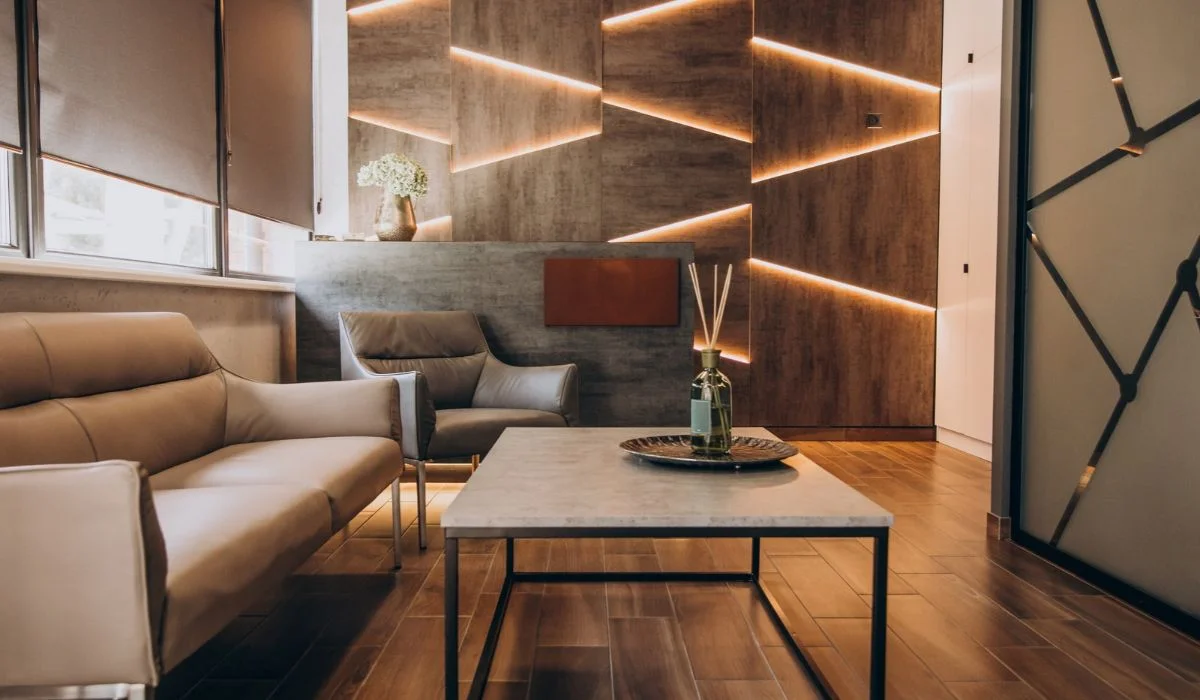
Accent lighting highlights artwork, shelves, architectural details, or decorative features.
Whenever possible, make use of natural daylight. Combine it with suitable artificial lighting so the room remains useful after sunset.
Materials and Textures
Materials add character and influence how an interior feels. Wood can introduce warmth, glass can create a lighter visual effect, metal can add definition, and textiles can make a room more comfortable.
Combining different textures prevents a neutral room from looking flat. For instance, a smooth coffee table can be paired with a woven rug, linen curtains, and soft cushions.
Consider durability and maintenance before choosing finishes, especially in kitchens, bathrooms, and busy family areas.
Space and Proportion
Good design depends on how objects relate to one another. A tall lamp may complement a large sofa, while a bulky cabinet could block the view or make a narrow room feel crowded.
Balance does not mean that everything must match. It means the size, placement, and visual weight of different elements should work together.
Patterns and Decorative Details
Patterns can add personality through wallpaper, rugs, cushions, curtains, and artwork. However, using too many unrelated patterns may make a room feel busy.
A practical approach is to choose one dominant pattern, then introduce smaller patterns that share similar colors. Decorative details should complement the room rather than compete for attention.
Diseño Interior Ideas for Every Room
Each room has different requirements. The best design choices depend on how the space is used, who uses it, and how much room is available.
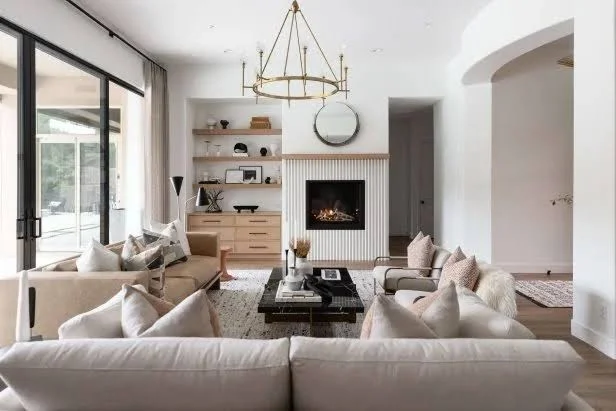
Living Room Design
The living room often serves several purposes, including relaxing, watching television, entertaining guests, and spending time with family.
Start by choosing a focal point, such as a window, fireplace, or media unit. Arrange seating around the main activity, keep walkways clear, and use a rug to visually connect the furniture. Add cushions, lighting, and artwork to create a finished appearance.
Bedroom Design
A bedroom should support rest while providing enough storage for clothing and personal belongings.
Choose a comfortable bed, practical bedside tables, and soft lighting. Curtains or blinds can help manage daylight and privacy, depending on the fabric and window placement.
Keep frequently used items within easy reach and avoid filling the room with unnecessary furniture.
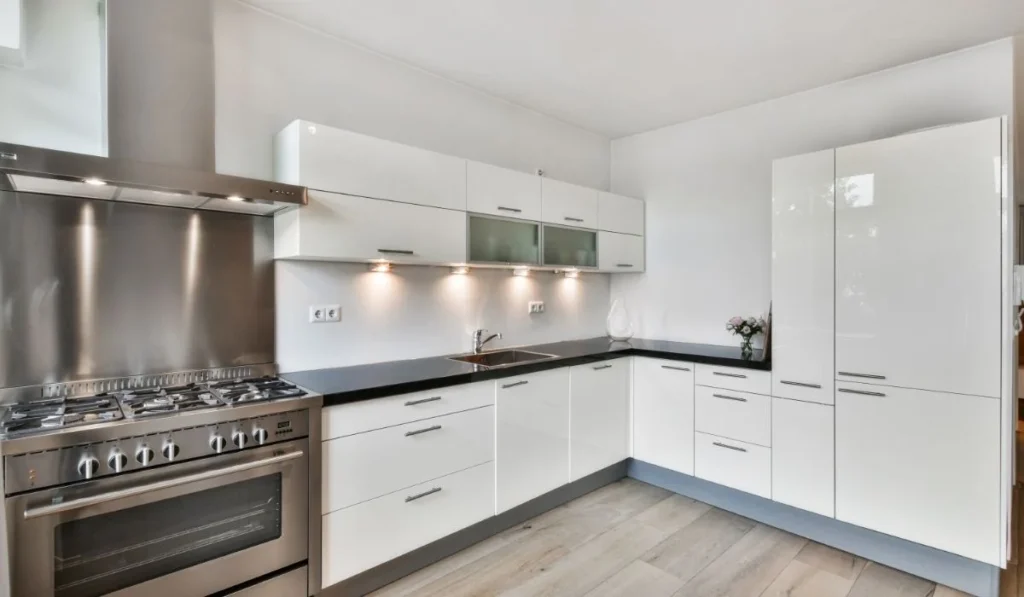
Kitchen Design
Kitchen design should prioritize safe movement, accessible storage, and suitable work surfaces. The arrangement of the sink, cooking area, and refrigerator should support an efficient workflow.
Use task lighting over counters, store everyday utensils near their usual work areas, and select finishes that are easy to clean. Decorative accessories should not take up valuable preparation space.
Bathroom Design
A practical bathroom needs good lighting, suitable ventilation, moisture-resistant materials, and convenient storage.
Mirrors can help reflect light, while wall-mounted shelves and compact cabinets can make better use of limited space. Choose finishes designed for wet areas and ensure lighting fixtures are suitable for their installation locations.
Home Office Design
A home office should make working or studying comfortable and organized. Select a desk with enough surface space, a supportive chair, and lighting that reduces glare on your screen.
Use shelves, drawers, or cable organizers to control clutter. When the office shares space with a bedroom or living room, a small rug or different lighting arrangement can help define the work area.
Small-Space Diseño Interior Ideas
Small apartments and compact rooms require careful planning, but limited floor space does not prevent a home from looking stylish.
Choose Furniture That Fits
Measure your room before purchasing furniture. A compact sofa, nesting tables, or a narrow console may provide the function you need without occupying too much space.
Furniture with exposed legs can also leave more of the floor visible, helping the room feel less crowded.
Use Vertical Storage
Walls provide valuable storage opportunities. Shelves, wall-mounted cabinets, hooks, and tall bookcases can help keep everyday items organized while leaving more floor space available.
Place frequently used objects at accessible heights and avoid overcrowding shelves.
Make Use of Mirrors and Natural Light
A well-placed mirror can reflect daylight and create a sense of greater visual depth. Light curtains can allow more daylight into the room while maintaining privacy, depending on the fabric and window placement.
Mirrors do not physically increase the size of a room, but they can influence how spacious it appears.
Keep the Color Scheme Connected
Using a consistent palette across adjoining spaces can create visual continuity. This is especially useful in studio apartments, where the living, sleeping, and dining areas may share one open room.
Introduce variety through texture, artwork, and a few accent colors rather than using a completely different palette in every corner.
Select Multi-Purpose Furniture
Furniture that serves more than one purpose can be useful in small homes. Storage ottomans, extendable dining tables, sofa beds, and beds with drawers can help reduce the need for extra pieces.
Choose multi-purpose items based on actual needs rather than adding features you are unlikely to use.
How to Choose the Right Interior Design Style
Choosing a design style becomes easier when you start with your lifestyle and existing space instead of following trends alone.
Consider Your Daily Routine
Think about how you use each room. A family with young children may prioritize washable fabrics, durable surfaces, and accessible storage. Someone who works from home may need a dedicated desk and task lighting.
Your routine should guide your design decisions before decorative preferences take over.
Identify What You Like
Collect examples of rooms, colors, materials, and furniture that appeal to you. Look for patterns in your choices. You may notice that you prefer warm wood, uncluttered spaces, bold artwork, or traditional furniture.
You do not have to select one style label. Combining two compatible approaches can produce a more personal result.
Set a Realistic Budget
Divide your budget into essentials and optional improvements. Essential items may include seating, a bed, storage, or repairs. Decorative accessories can often be added gradually.
Spend more carefully on items that receive frequent use, and compare maintenance requirements as well as initial prices.
Work With Your Existing Features
Flooring, windows, wall finishes, ceiling height, and architectural details affect which design choices will work well. A design that suits a bright, spacious room may require adjustments in a narrow or poorly lit space.
Build your plan around these existing conditions before buying large furniture or making structural changes.
Create a Simple Plan
Write down your main goals, take room measurements, select a color palette, and make a list of essential purchases. Sketching a furniture layout can help you identify problems before moving or buying anything.
For major renovations involving electrical work, plumbing, structural changes, or other regulated work, consult appropriately qualified professionals.
Common Interior Design Mistakes to Avoid
Even attractive furniture and decorations may not work well when the overall plan is missing. Avoiding a few common mistakes can help your design feel more cohesive.
Buying Furniture Before Measuring
Furniture that is too large can restrict movement, while very small pieces may not serve their intended purpose. Measure the room and check the dimensions of entrances and stairways before ordering.
Using Too Many Colors
A collection of unrelated colors can make a room feel disconnected. Choose a manageable palette and repeat its shades in furniture, textiles, and accessories.
Ignoring Lighting
One ceiling light may not provide enough illumination for every activity. Add task and accent lighting where needed, and consider how the room looks in daylight and at night.
Following Every Trend
Trends can provide inspiration, but copying every popular idea may result in a room that does not suit your needs. Use temporary accessories to experiment with trends while keeping major purchases practical.
Overdecorating the Room
Too many ornaments, cushions, and small decorative pieces can make a room difficult to maintain. Leave some surfaces and wall areas open so that important items receive attention.
Choosing Appearance Over Function
A beautiful chair that is uncomfortable or a cabinet that blocks a walkway can make daily life more difficult. Evaluate furniture for comfort, size, durability, and ease of use as well as appearance.
Interior Design Trends and Ideas for 2026
Interior design trends change over time, but current approaches include greater attention to comfort, individual expression, natural materials, richer color combinations, vintage-inspired pieces, and layered lighting.
Warm and Earthy Color Palettes
Warm neutrals, muted greens, terracotta, and deeper accent shades can give a room a more layered appearance. These colors work particularly well with wood, stone, and natural-looking textiles.
You can introduce them through a feature wall, cushions, a rug, or artwork without changing the entire room.
Natural Materials and Organic Shapes
Wood, linen, stone, woven materials, and furniture with softer curves can add texture and visual interest.
Mixing natural textures with simpler finishes can help a space feel comfortable without becoming overly decorative.
Personal and Collected Interiors
Rooms can feel more individual when they include meaningful artwork, family photographs, handmade objects, or vintage furniture. These items help tell a story rather than making the home look like a showroom.
Display a selection of pieces that matter to you and rotate accessories when you want a change.
Layered Lighting
Using several light sources makes it easier to adapt a room for different activities. A ceiling fixture can provide general illumination, while table lamps and wall lights add focused light and atmosphere.
Choose suitable bulbs and fixtures for each space, and consider dimmable lighting where practical.
Sustainable and Long-Lasting Choices
Buying durable furniture, repairing existing pieces, reusing materials, and choosing secondhand items can support more sustainable decorating decisions.
Sustainability also involves maintenance and longevity. A product that lasts for many years may be more useful than a cheaper item that needs frequent replacement.
Budget-Friendly Ways to Improve Your Home Interior
You do not need a complete renovation to improve a room. Small, planned changes can make a noticeable difference while keeping costs manageable.
Rearrange Existing Furniture
Try a different furniture layout before purchasing new items. Moving a sofa away from a doorway, changing the position of a chair, or shifting a desk closer to natural light may improve the room’s flow.
Refresh Walls and Textiles
A fresh coat of paint can change the atmosphere of a room. New cushion covers, curtains, bedding, or a rug can also introduce color and texture without requiring major work.
Update Small Details
Replacing worn cabinet handles, updating lampshades, organizing shelves, or framing existing artwork can refresh an interior without requiring a major investment.
Repurpose What You Already Own
A side table may work as a bedside table, while a decorative basket can provide practical storage. Before buying more accessories, consider whether existing items can serve a new purpose.
Decorate Gradually
Complete the essential parts of a room first, then add decorative details over time. This approach gives you more opportunities to assess what is missing and reduces the risk of unnecessary purchases.
Conclusion
Diseño interior is about creating spaces that look appealing while supporting the way people live. From choosing a suitable color palette to arranging furniture, improving lighting, and selecting durable materials, each decision contributes to the overall result.
You do not need a large budget or a single design style to create a beautiful home. Start with your everyday needs, work with the space you already have, and introduce changes gradually. Whether you prefer modern simplicity, Scandinavian comfort, traditional details, or a mixture of styles, thoughtful planning can help you create an interior that feels personal, practical, and welcoming.
FAQs
1. What does diseño interior mean in English?
Diseño interior means interior design in English. It involves planning and arranging indoor spaces through layout, furniture, colors, lighting, materials, and decorative elements.
2. What is the main purpose of interior design?
The main purpose is to create indoor environments that are functional, comfortable, safe, and visually appealing. Good design balances practical needs with personal preferences.
3. What are the most popular interior design styles?
Common styles include modern, minimalist, Scandinavian, traditional, industrial, bohemian, contemporary, and Japandi. Each uses different combinations of furniture, materials, colors, and decorative details.
4. How can I improve my home interior on a small budget?
Rearrange furniture, repaint walls, reuse existing decorations, update textiles, and improve lighting. Planning changes before shopping can help control costs.
5. Which interior design style is suitable for a small home?
Minimalist and Scandinavian approaches can work well in small homes because they often emphasize practical furniture, light colors, and uncluttered layouts. However, the right choice depends on your preferences and the room’s conditions.
6. How do I choose colors for interior design?
Start with a main color, select one or two supporting shades, and add a limited number of accents. Test paint samples under different lighting conditions before making a final decision.
7. What is the difference between interior design and interior decorating?
Interior design considers how a space functions and may involve layouts, materials, lighting, and technical planning. Interior decorating focuses more on visual elements such as furniture, colors, fabrics, artwork, and accessories. Their responsibilities can overlap.
8. Is modern interior design the same as contemporary interior design?
No. Modern design generally refers to a design movement associated with a particular historical period, while contemporary design refers to approaches that are current and can change over time.
9. How can I make a room look bigger?
Use appropriately sized furniture, keep pathways clear, maximize natural light, and consider mirrors or vertical storage. A consistent color scheme can also help adjoining areas feel connected.
10. What should I consider before starting an interior design project?
Consider your budget, room measurements, lifestyle, storage requirements, lighting, existing architectural features, and preferred style. Make a basic plan before purchasing major items.
11. Can I combine two interior design styles?
Yes. Combining styles can create a distinctive interior. Use one style as the main direction and introduce selected features from another through furniture, lighting, materials, or accessories.
12. Are sustainable materials useful in interior design?
Yes. Durable wood, long-lasting furniture, reused materials, and responsibly sourced finishes can support more sustainable design choices. Check product specifications and maintenance needs before purchasing.