European Home Decor: The Ultimate Guide to Timeless Elegance, Modern Trends, and Styling Ideas
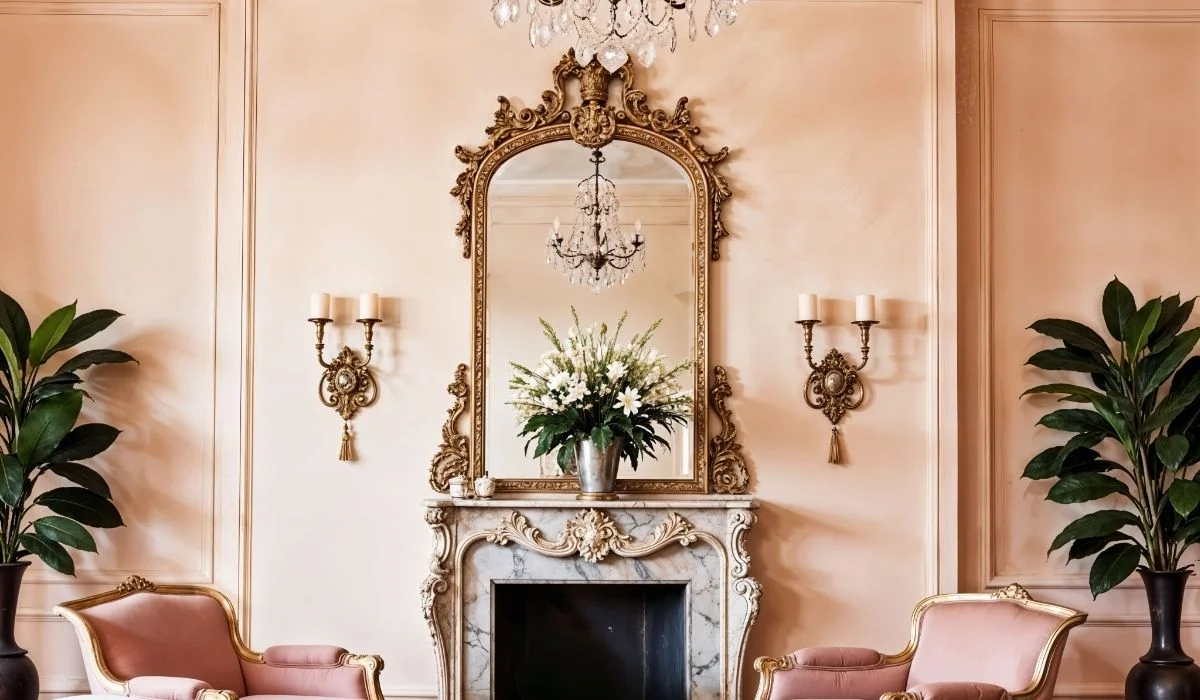
European home decor represents the perfect harmony between deep historical heritage and effortless modern minimalism. Unlike trends that fade within a single season, the European approach to interior design focuses on longevity, organic craftsmanship, layered textures, and architectural character. Whether it is the light-drenched simplicity of a Nordic apartment, the rustic warmth of a Tuscan farmhouse, or the ornate charm of a Parisian flat, European style turns ordinary houses into curated living sanctuaries.
In this in-depth guide, explore the defining philosophy behind European interiors, the key regional design movements, must-have architectural elements, and step-by-step practical tips to bring authentic European elegance into your own home.
What Defines Authentic European Home Decor?
At its core, European home decor values curation over consumption. Spaces are not decorated overnight from a single showroom catalog; instead, they evolve organically over time.
- Layered History & Character: Europeans embrace the patina of aged materials. An authentic space blends heritage architectural moldings with contemporary lighting fixtures and heirloom antiques.
- Functionality First: Design choices must serve daily living. Every furniture piece is selected for comfort, utility, and structural longevity.
- Natural, High-Grade Materials: Solid hardwoods (oak, walnut), natural stone (marble, limestone, terracotta), linen, wool, and wrought metals dominate the European palette.
- Understated Sophistication: Spaces feel effortless, refined, and lived-in rather than rigidly staged.
Major Regional Styles Across Europe
The European continent offers a diverse spectrum of design identities. Understanding these distinct regional variations helps you curate a cohesive look.
1. French Parisian & Country French
French decor is defined by effortless romanticism, ornate detailing, and artistic drama.
- Parisian Chic: Tall windows, herringbone parquet flooring, intricate ceiling medallions, gilded baroque mirrors, and neutral linen sofas paired with abstract modern art.
- French Country (Provencal): Weathered whitewashed timber, exposed wooden ceiling beams, wrought-iron chandeliers, muted lavender and cream tones, and hand-painted ceramic dinnerware.
2. Scandinavian Modern (Nordic Simplicity)
Scandinavian interiors focus on hygge (coziness) and lagom (balance), maximizing natural daylight during long winters.
- Visual Elements: Light ash and blonde birch wood, pale neutral palettes (soft gray, chalk white, warm beige), clean-lined functional furniture, and tactile textiles like sheepskin and chunky wool throws.
- Space Philosophy: Clutter-free surfaces, open layouts, and indoor green foliage.
3. Italian & Mediterranean Rustic
Southern European interiors draw inspiration from coastal landscapes, warm sunshine, and traditional masonry.
- Tuscan & Mediterranean: Terracotta tile floors, stucco walls, exposed brick archways, aged olive-wood tables, wrought-iron accents, and deep earth tones (ochre, burnt sienna, olive green, ocean blue).
- Modern Italian Elegance: Sleek Carrara marble, low-profile leather seating, brushed brass finishes, and sculptural statement lighting.
4. British Traditional & English Cottage
British interior design balances rich heritage with eccentric, cozy comfort.
- Key Features: Deep jewel-toned walls (forest green, navy, heritage burgundy), extensive built-in bookcases, wainscoting, floral or botanical wallpaper, plush velvet chesterfield sofas, and layered patterned rugs.
Regional Styles at a Glance
| Style Region | Core Color Palette | Signature Materials | Key Vibe |
| Parisian Flat | Chalk white, cream, charcoal, gold | Herringbone oak, plaster, marble, velvet | Romantic, ornate, high-contrast |
| Scandinavian | Pure white, dove gray, beige, muted sage | Birch, ash wood, wool, linen, ceramic | Minimalist, airy, ultra-functional |
| Mediterranean | Terracotta, olive green, warm ochre, cream | Limestone, aged timber, wrought iron, clay | Sun-drenched, rustic, earthy |
| British Heritage | Forest green, burgundy, mustard, navy | Dark oak, brass, leather, floral textiles | Cozy, layered, intellectual, historic |
Key Elements of European Home Decor
To achieve an authentic aesthetic, focus on foundational materials, finishes, and layout dynamics.
Architectural Millwork and Wall Treatments
European homes showcase remarkable wall architecture. Even in a modern build, adding architectural elements immediately elevates a space:
- Picture Frame Molding & Wainscoting: Installing classic wall paneling adds vertical depth to standard drywall.
- Crown Molding and Ceiling Medallions: Plaster moldings soften the transition between walls and ceilings, creating vintage European sophistication.
- Limewash and Roman Clay Paint: Unlike flat latex paints, breathable limewash creates a textured, velvety wall surface with subtle color variation.
High-End Natural Flooring
Floors serve as the grounding canvas for European furniture:
- Hardwood Patterns: French chevron or traditional herringbone parquet in muted, natural matte finishes.
- Stone and Tile: Honed travertine, unpolished marble slabs, and handmade encaustic or terracotta tiles.
Artful Lighting Fixtures
European home decor relies on ambient, multi-source lighting rather than harsh overhead glare:
- Sculptural brass pendants, fluted glass sconces, and pleated fabric lampshades create soft, diffuse illumination.
- Vintage candle sconces and crystal chandeliers provide warm focal points.
Room-by-Room European Decor Guide
Bringing European style into your home requires a thoughtful approach that balances architectural heritage with everyday practical comfort. Rather than following rigid rules, each room should feel intentionally curated, layered with organic textures, and designed to age gracefully over time. Here is how to execute this timeless aesthetic across every key area of your home:
The European Living Room
- Anchor the seating area with a neutral linen slipcover sofa or an aged leather armchair.
- Place a vintage Persian or Turkish Oushak runner over wood or tile flooring.
- Style the coffee table with hardcover art books, handmade ceramic vessels, and unlacquered brass trays.
- Display oversized, unframed canvas art or lean vintage oil paintings against deep-set shelves.
The European Kitchen
- Cabinetry: Opt for classic Shaker-style cabinets painted in soft mushroom, sage, or navy hues, paired with solid unlacquered brass hardware that naturally patinas over time.
- Surfaces: Use thick-edge honed marble or soapstone countertops alongside a deep farmhouse apron sink with bridge faucets.
- Open Shelving: Display stacked stoneware plates, copper cookware, glass carafes, and rustic wooden cutting boards.
The European Bedroom
- Focus on breathable luxury with 100% French flax linen bedding in washed tones like ivory, terracotta, or slate.
- Frame the bed with an upholstered headboard or an antique wrought-iron frame.
- Keep bedside storage understated with mismatched vintage wooden nightstands and soft ceramic reading sconces.
The European Bathroom
- Install freestanding clawfoot or stone soaking tubs paired with floor-mounted brass hardware.
- Use floor-to-ceiling zellige glazed tiles to add artisanal shimmer to walk-in showers.
- Incorporate an antique wooden console converted into a custom vanity.
5 Practical Tips to Achieve the European Look on Any Budget
- Embrace Antiques and Vintage Finds: Skip mass-produced factory decor. Visit local flea markets, estate sales, and antique shops to find character-rich frames, brass candlesticks, and aged timber stools.
- Prioritize Quality Over Quantity: European minimalism is not empty—it is deliberate. Invest in fewer, well-crafted pieces that age gracefully.
- Layer Earthy, Tactile Fabrics: Mix washed linen drapes, raw silk cushions, heavyweight wool blankets, and jute floor coverings to add visual depth without visual clutter.
- Let Architecture Breathe: Do not overfill every wall or corner. Leave negative space so architectural details, window frames, and statement furniture stand out naturally.
- Bring the Outdoors In: Add terracotta pots with mature olive trees, fragrant rosemary bushes, or simple dried floral arrangements in ceramic jugs.
Sustainable Practices in European Home Decor
European living emphasizes sustainability through durability and restoration. Rather than replacing entire room setups every few years, the European philosophy focuses on:
- Restoring and Reupholstering: Giving historic furniture frames new life with high-grade organic upholstery.
- Eco-Friendly Materials: Utilizing non-toxic lime plasters, water-based finishes, FSC-certified timber, and recycled architectural salvage.
- Energy Efficiency: Integrating heavy thermal linen drapery to naturally regulate indoor temperatures and utilizing natural daylight.
FAQs
How do I mix modern and vintage European styles?
Pair 80% clean, modern basics (sofas, simple lighting) with 20% antique statement accents (gilded mirrors, aged wood tables).
What is the fastest budget-friendly European upgrade?
Install DIY picture frame wall moldings, switch to brass hardware, and hang floor-length linen curtains.
Which plants fit European interior decor?
Potted olive trees, rosemary topiaries, and fiddle-leaf figs in aged terracotta planters.
What are the most authentic flooring styles?
Herringbone oak parquet, wide-plank matte timber, travertine, and reclaimed terracotta tiles.
What defines the classic European color palette?
Chalky off-whites, warm greige, muted sage, terracotta, and soft charcoal.