Garden Arbor: A Complete Guide to Design, Plants, and Placement
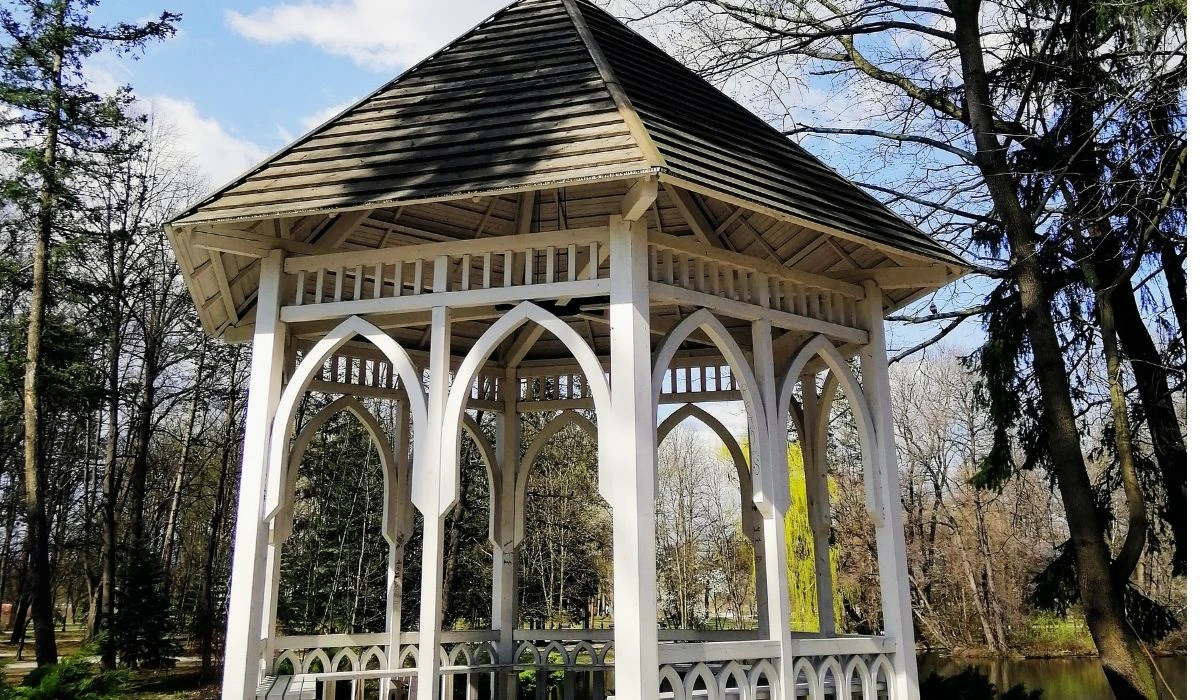
A garden arbor is a beautiful and practical outdoor structure that adds character, height, and definition to a landscape. Whether placed at a garden entrance, along a pathway, or beside a seating area, it creates an attractive focal point while providing support for climbing plants. From traditional wooden arches to sleek metal frames, a garden arbor can complement different landscape styles and outdoor spaces.
Choosing the right arbor involves more than appearance. Its size, material, location, and ability to support climbing plants all affect its long-term performance. By understanding these factors, you can select a structure that fits your garden, meets your needs, and remains attractive as your plants grow.
What Is a Garden Arbor?
A garden arbor is a freestanding outdoor structure made with supporting posts and an open overhead frame, which may be flat, peaked, or arched. Its sides can remain open or include lattice panels for climbing plants. Arbors are commonly used to frame entrances, highlight pathways, and create small garden retreats.
Unlike a large outdoor shelter, an arbor usually occupies a relatively small area. Its primary purpose is to define a particular part of the garden and provide vertical interest. When covered with suitable climbing plants, it can also create a leafy canopy and add seasonal color.
Popular Garden Arbor Designs
Garden arbor designs come in a variety of styles, materials, and shapes to suit different outdoor spaces. From classic wooden arches to modern metal structures and charming arbors with gates or benches, each design offers a unique way to enhance your garden’s appearance and functionality.
1. Wooden Garden Arbor
A wooden garden arbor brings natural warmth to outdoor spaces and suits cottage, farmhouse, and traditional landscapes. Its appearance can be customized with paint, stain, decorative lattice, or a simple natural finish.
Choose outdoor-suitable wood and protect it against moisture, insects, and weathering. Regular inspections and appropriate maintenance will help preserve its appearance and structural strength over time.
2. Arched Garden Arbor
An arched garden arbor creates an elegant entrance or pathway feature. Its curved top draws attention naturally, making it suitable for traditional gardens, flower borders, and walkways leading to a seating area.
Climbing roses and clematis can soften the frame with foliage and flowers. Choose plants that suit your climate, and ensure the structure is strong enough to support their mature growth.
3. Metal Garden Arbor
A metal garden arbor works well in modern and contemporary landscapes. Slim frames, dark finishes, and simple geometric shapes provide a clean appearance while allowing surrounding plants to remain the main visual feature.
Look for an outdoor-rated frame with a suitable corrosion-resistant finish. Before growing heavy vines over it, check the manufacturer’s guidance on structural strength and plant support.
4. Garden Arbor With a Gate
An arbor with a gate creates a defined entrance to a garden, courtyard, or enclosed planting area. Coordinating the gate, arbor, and surrounding fence gives the entrance a cohesive appearance and can help establish a sense of privacy.
Check the gate’s width, swing direction, and hardware before installation. Leave enough room for comfortable passage and ensure the posts and hinges are suitable for regular use.
5. Garden Arbor With a Bench
A garden arbor with a bench combines visual appeal with a practical place to sit. Positioned beside a flower bed or in a quiet corner, it can become a comfortable spot for reading, relaxing, or enjoying the garden.
Choose weather-resistant seating and place the structure where it offers a pleasant view. If climbing plants will grow overhead, make sure the frame is securely anchored and designed to carry their eventual weight.
6. Garden Arbor for a Pathway
An arbor over a pathway creates a natural transition between different parts of the garden. One structure can highlight a short walkway, while a series of evenly spaced arbors can create a tunnel-like effect as the plants mature.
Keep enough clearance for people to walk through comfortably. Plan the spacing, plant growth, and path width together so the structure adds interest without obstructing movement.
How to Choose the Right Garden Arbor Material
The material you choose affects the arbor’s appearance, durability, maintenance, and cost. Consider the local climate, available budget, and amount of care you are willing to provide.
Wood
Wood offers a natural finish and suits a wide range of garden styles. However, exposure to moisture and insects can cause deterioration if the material is not appropriate for outdoor use or properly maintained.
Metal
Metal arbors can provide a lightweight-looking, modern design and work well with climbing plants when properly constructed. Select a protective finish suitable for outdoor exposure and inspect the frame periodically for rust or damage.
Vinyl and Cellular PVC
Vinyl-based materials are often chosen for their low-maintenance qualities. They generally do not require routine painting or sealing like many wooden structures, although cleaning and inspection are still important.
Stone and Brick Features
Stone and brick can complement an arbor through nearby pillars, walls, or pathways. They create a substantial, permanent appearance but may require additional groundwork and installation costs.
The best material depends on the specific product and how it will be used. Always check the manufacturer’s specifications rather than assuming every material or design can support heavy climbing plants.
Best Climbing Plants for a Garden Arbor
Climbing plants can turn a simple garden arbor into a living feature with foliage, flowers, and fragrance. The right choice depends on sunlight, climate, available space, and the strength of the structure.
- Climbing roses: Provide classic flowers and attractive coverage. Choose varieties suitable for your growing conditions.
- Clematis: Offers many flower colors and growth habits, making it versatile for different arbor designs.
- Honeysuckle: Can add fragrant blooms and leafy coverage when the selected species suits your region.
- Jasmine: Certain varieties provide fragrant flowers and are suitable for climates where they can thrive.
- Wisteria: Creates dramatic hanging flowers but requires a strong, well-supported arbor because mature vines can become heavy.
- Sweet peas: Offer seasonal color and fragrance and can be a suitable option for lighter supports.
Before planting, check each plant’s mature size, pruning needs, and growth habit. Vigorous vines may overwhelm small structures or add excessive weight if they are not managed properly. Tie stems with soft plant ties where needed, and avoid using materials that could damage growing stems.
Where Should You Place a Garden Arbor?
Placement determines how effectively an arbor works within your landscape. An entrance arbor can create a welcoming first impression, while one along a pathway helps guide visitors through the garden. Positioning it near a bench or flower bed can establish a quieter destination.
Before installing the structure, measure the available space and consider walking clearance, sunlight, drainage, and nearby plants. Avoid placing posts where they may interfere with underground utilities or obstruct a frequently used route. If you plan to grow a heavy vine, use appropriate foundations and follow the installation requirements.
Also consider how the arbor looks from inside your home and from other parts of the garden. A structure that frames a pleasant view or complements surrounding landscaping will feel more integrated than one placed without considering the overall layout.
Garden Arbor vs. Trellis vs. Pergola
Although these structures can look similar, they serve different purposes.
| Structure | Main purpose | Best use |
| Garden arbor | Defines an entrance or short pathway | Garden entrances and focal points |
| Trellis | Supports climbing plants vertically | Walls, fences, and narrow spaces |
| Pergola | Covers a larger outdoor area with an open roof frame | Patios, dining areas, and seating spaces |
A garden arbor is usually the best choice when you want a structure people can walk through. A trellis is more suitable for supporting plants along a wall or fence, while a pergola is designed to define a larger outdoor living area.
Common Garden Arbor Mistakes to Avoid
Common garden arbor mistakes can affect both the structure’s appearance and its long-term durability. Choosing the wrong size, using weak materials, or planting unsuitable climbing vines can create problems, so careful planning helps ensure your arbor remains safe, attractive, and easy to maintain.
Choosing a Structure That Is Too Weak
A lightweight arbor may not support the weight of mature climbing plants. Check the construction, anchoring, and manufacturer’s load guidance before choosing a structure for vigorous vines.
Ignoring Plant Growth
Some climbing plants spread quickly and can cover nearby plants or block pathways. Choose species suited to your available space and prune them regularly to keep growth manageable.
Poor Placement
An arbor can become inconvenient if it obstructs a walkway or sits too close to other garden features. Plan its location carefully, allowing sufficient clearance for people, gates, and future plant growth.
Overlooking Maintenance
Outdoor structures require occasional inspection even when made from low-maintenance materials. Check posts, joints, fasteners, and protective finishes to identify problems before they become more serious.
Garden Arbor Maintenance Tips
Regular maintenance helps keep your garden arbor attractive and safe. Inspect the structure periodically for loose connections, damaged posts, corrosion, or signs of wood deterioration. Clean the surface with a method appropriate for the material and follow the manufacturer’s care instructions.
Climbing plants also need attention. Remove dead growth, prune vines when appropriate, and make sure stems are not pulling excessively on the overhead frame. After strong winds or severe weather, check the structure and plant ties for damage. Keeping both the arbor and its surrounding plants well maintained will help preserve the overall appearance of your garden.
Conclusion
A garden arbor adds structure, visual interest, and practical plant support to an outdoor space. Whether you choose a wooden arch, a metal frame, a gated entrance, or an arbor with a bench, the best option should suit your garden’s size, style, and intended use.
Consider the material, placement, climbing plants, and maintenance requirements before making your decision. With careful planning and suitable structural support, a garden arbor can become a lasting feature that makes your outdoor space more inviting and enjoyable.
FAQs
1. What is the main purpose of a garden arbor?
A garden arbor defines entrances and pathways, supports climbing plants, and adds architectural interest. Some designs also include gates or seating.
2. What is the best material for a garden arbor?
Wood, metal, and vinyl-based materials are popular options. The best choice depends on your budget, climate, desired appearance, and maintenance preferences.
3. Which plants grow well on a garden arbor?
Climbing roses, clematis, honeysuckle, jasmine, and sweet peas are common options. Wisteria can also be used, but it requires a strong structure because mature vines can become heavy.
4. Can a garden arbor fit in a small yard?
Yes. A compact arbor can frame a short pathway or entrance without taking up much space. Choose a size that allows comfortable movement around the structure.
5. What is the difference between a garden arbor and a pergola?
A garden arbor is generally a smaller structure used to frame an entrance or short pathway. A pergola is larger and typically defines a patio or outdoor seating area.
6. Does a garden arbor provide shade?
An arbor’s open framework provides limited shade. Climbing plants may create additional shade as they grow, depending on the density of their foliage.
7. How do I maintain a wooden garden arbor?
Inspect it for rot, splitting, loose joints, and insect damage. Clean the surface and apply suitable protective finishes as needed, following the manufacturer’s recommendations.