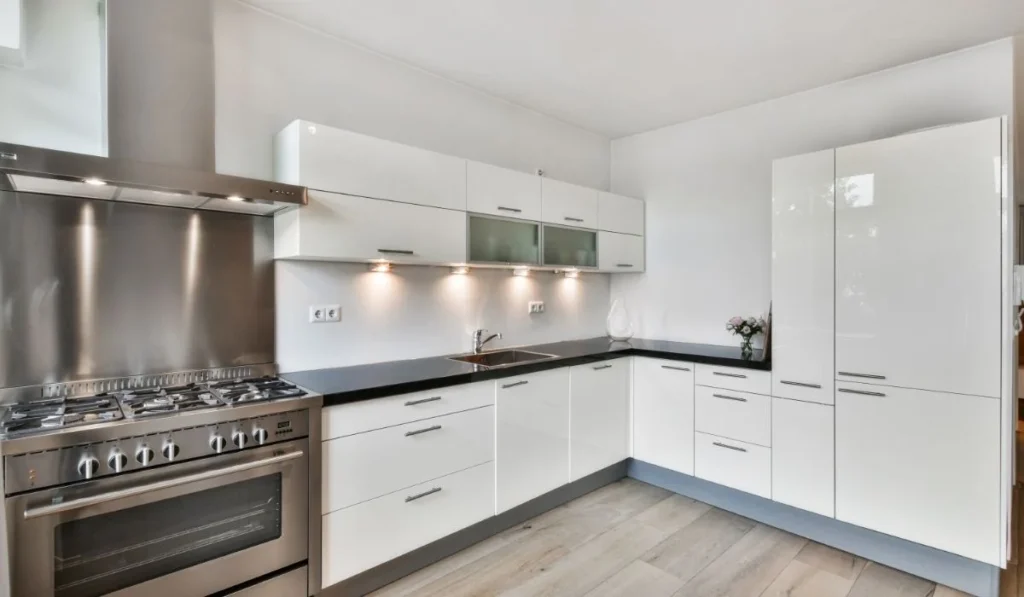
Kitchen Exhaust Hood: Complete Guide to Choosing the Right One
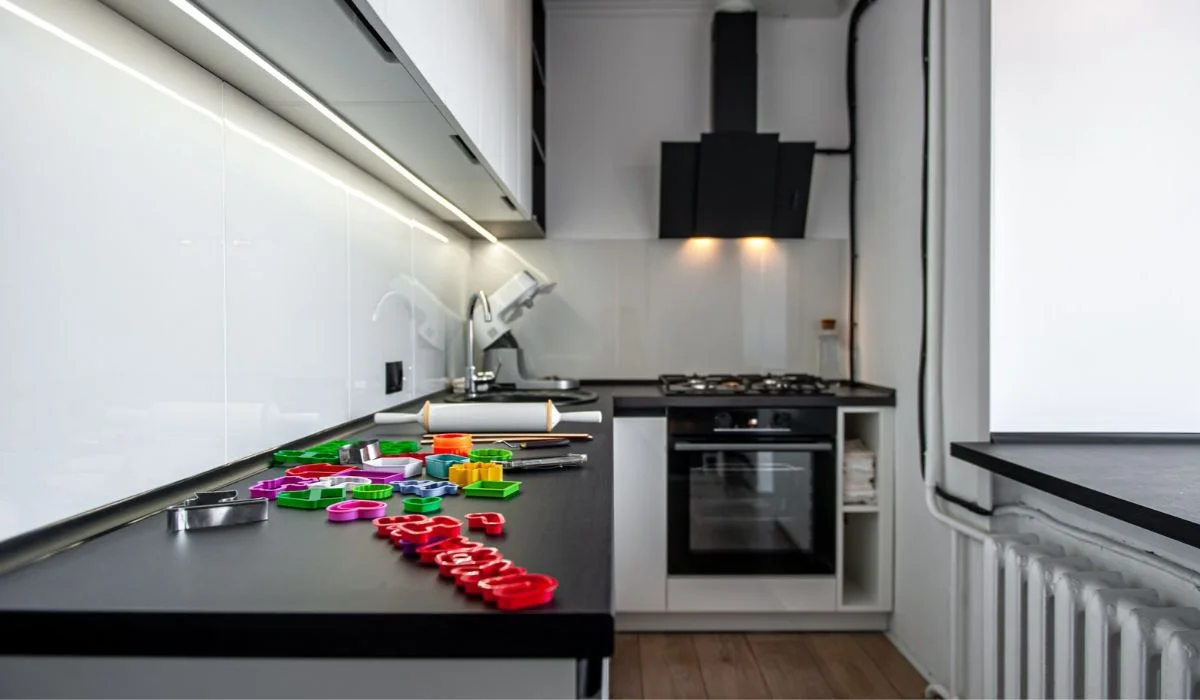
A kitchen exhaust hood is an important appliance for removing smoke, steam, grease, heat, and cooking odors from the area above your stove. The right hood can make cooking more comfortable while helping reduce grease and moisture buildup around cabinets and walls.
However, choosing a kitchen exhaust hood is not simply about selecting the most attractive model. You need to consider the size of your cooktop, hood type, extraction method, airflow, filters, noise level, installation requirements, and the way you normally cook. A properly selected and installed hood can perform much better than a larger model that is poorly matched to the kitchen.
What Is a Kitchen Exhaust Hood?
A kitchen exhaust hood, also called a range hood, cooker hood, or kitchen chimney, is installed above a cooking surface to capture airborne grease, smoke, steam, and odors. Depending on the model, it either sends the extracted air outdoors through ductwork or filters it and returns it to the room.
Modern kitchen hoods are available in several designs and sizes. Current Pakistani retailers offer built-in, chimney, wall-mounted, and other configurations, with features such as LED lighting, multiple speed settings, touch controls, sensors, and easy-clean filters.
A good hood should therefore be selected according to both your kitchen design and cooking requirements rather than appearance alone.
Why Do You Need a Kitchen Exhaust Hood?
Cooking releases more than just food smells. Frying, grilling, boiling, and high-heat cooking can produce smoke, steam, grease particles, and other airborne contaminants.
An effective range hood captures these pollutants close to the cooking surface before they spread around the kitchen. It can also help reduce grease settling on nearby cabinets and surfaces.
For households that cook frequently or prepare foods involving frying and strong spices, reliable ventilation becomes especially useful. A hood can also improve the overall comfort of the kitchen by helping control heat and persistent cooking odors.
Types of Kitchen Exhaust Hoods
Choosing the right type starts with your kitchen layout. The position of the cooktop, available cabinet space, and possibility of external ducting can all influence your decision.
Wall-Mounted Kitchen Hood
A wall-mounted hood is installed against the wall above a cooktop. Chimney-style and T-shaped designs are common choices for kitchens where the cooking area sits along a wall.
These hoods can become a visible design feature while providing direct ventilation above the stove. They are particularly suitable when you have enough wall space and can plan the duct route properly.
Built-In or Under-Cabinet Hood
Built-in hoods are designed to integrate with kitchen cabinetry. They are useful when you prefer a cleaner appearance or want the ventilation appliance to remain less visually dominant.
Before choosing one, check the cabinet dimensions and the required installation space. The hood should still provide adequate coverage over the cooking surface.
Island Hood
Island hoods are designed for cooktops positioned on a kitchen island rather than against a wall. Because the appliance hangs above the cooking area, its size, mounting position, and ducting need careful planning.
Island installations can also be affected by air movement in an open kitchen, so choosing an appropriately sized and powerful hood is particularly important.
Chimney Hood
Chimney hoods have a visible vertical section that connects the hood to the ceiling or duct outlet. They are widely used in contemporary kitchens because they combine ventilation with a decorative architectural appearance.
E-LUX’s current kitchen hood collection, for example, includes chimney, wall-mounted, and built-in categories.
Ducted vs. Recirculating Kitchen Exhaust Hood
One of the most important decisions is how the hood handles the extracted air.
Ducted Hood
A ducted hood sends air outside through a dedicated ventilation pipe. This can be an effective option when your kitchen layout allows a practical route to an exterior outlet.
The quality of the ducting matters too. Excessive bends, poorly planned routes, or unsuitable installation can reduce performance and increase noise. A hood should therefore be planned together with the ventilation path rather than treated as a separate appliance.
Recirculating Hood
A recirculating or ductless hood draws air through filters and returns the filtered air to the kitchen. This can be useful where external ventilation is difficult or impossible.
However, filtration is not the same as exhausting air outdoors. Consumer Reports notes that ductless models filter and return air to the room rather than actually exhausting contaminants outside.
If you have the option of proper external ducting, compare both installation requirements and expected cooking demands before deciding.
How to Choose the Right Hood Size
The hood should generally be at least as wide as the cooking surface below it. A slightly wider hood can provide additional coverage, depending on the installation and manufacturer recommendations.
For example, if your cooktop is 60 cm wide, a 60 cm hood may be appropriate. For a larger 75 or 90 cm cooking surface, choose a hood designed to provide suitable coverage.
Also consider depth. The hood should cover the cooking area sufficiently to capture rising smoke and grease from the burners. Whirlpool recommends considering both the width and depth of the cooking surface when selecting a range hood.
Measure Before Buying
Before ordering, measure:
- Cooktop width
- Cooktop depth
- Available wall or cabinet width
- Space above the cooking surface
- Ceiling height
- Possible duct route
- Electrical connection location
Do not rely only on a product’s advertised width. Check the manufacturer’s actual dimensions and installation requirements.
How Much Suction Power Do You Need?
Suction or airflow is one of the most important specifications to compare, but a bigger airflow number does not automatically mean better performance. Consumer Reports points out that higher CFM can move air faster, but it does not by itself guarantee effective smoke capture.
Your cooking habits should influence the choice. Light cooking may require less extraction than frequent frying, grilling, or high-temperature cooking.
Look at the manufacturer’s airflow rating and compare it with the hood size, kitchen layout, cooking surface, and ventilation system. Some products sold in Pakistan list airflow in m³/hr rather than CFM, so make sure you are comparing specifications using the same units.
Features to Look For in a Kitchen Exhaust Hood
Once size and ventilation type are decided, compare the features that affect everyday use.
Multiple Fan Speeds
Different cooking tasks produce different levels of smoke and steam. Multiple speed settings let you use lower ventilation for light cooking and stronger extraction when needed.
Effective Filters
Filters capture grease before it reaches the internal components and surrounding surfaces. Look for filters that can be cleaned or replaced according to the manufacturer’s instructions.
Current E-LUX models, for example, include easy-clean filter options, while Canon products list features such as double-layer and baffle-style filters across different models.
LED Lighting
Built-in lighting can illuminate the cooktop and make food preparation easier, especially when the hood is installed under cabinets or the kitchen has limited task lighting.
Touch, Sensor, or Voice Controls
Modern models may include touch panels, hand sensors, gesture controls, or voice functions. Canon’s current range includes models with several of these controls.
These features are convenient, but they should be considered secondary to ventilation performance, correct sizing, and reliable construction.
Auto-Clean Features
Some higher-end models include heat-cleaning or other automatic cleaning functions. These can reduce maintenance effort, but they do not necessarily eliminate the need to clean accessible filters and surfaces.
Noise Level Matters Too
A hood that provides strong ventilation but is unpleasantly loud may discourage you from using it. When comparing models, check the manufacturer’s noise rating if one is provided rather than assuming that a powerful motor will automatically be noisy.
Also remember that installation affects sound. Poorly designed ducting, unnecessary bends, vibration, or loose components can contribute to unwanted noise.
For an open-plan kitchen, noise deserves extra attention because sound travels easily into dining and living areas.
Kitchen Exhaust Hood Installation Tips
Proper installation is essential for getting the expected performance from your hood.
The hood must be installed at the appropriate distance above the cooking surface. Exact clearance requirements vary according to the appliance, hood, fuel type, and manufacturer instructions, so always follow the installation manual and applicable local requirements. Whirlpool, for example, provides different typical clearances for gas and electric cooking surfaces and recommends following manufacturer and local code requirements.
If the hood is ducted, plan the shortest practical route to the exterior and avoid unnecessary bends. The installer should also make sure the duct connections are secure and appropriately sized for the hood.
Common Kitchen Exhaust Hood Mistakes
Choosing the right hood is only part of getting effective kitchen ventilation. Poor sizing, incorrect installation, restricted ducting, or neglected maintenance can reduce suction and make the hood noisier or less effective.
Choosing a Hood That Is Too Small
A hood narrower than the cooking surface may not capture rising smoke effectively. Always compare the hood width with your cooktop dimensions before purchasing.
Buying Only for Appearance
Glass, black finishes, stainless steel, and sleek chimney designs can look impressive, but appearance should not be the primary deciding factor.
Prioritize ventilation, dimensions, filters, noise, installation requirements, and after-sales support before decorative details.
Ignoring Ducting
Even a good hood can perform poorly if the exhaust route is badly designed. Discuss the duct path before installation rather than buying the hood first and solving ventilation afterward.
Forgetting Maintenance
Grease filters and hood surfaces need regular cleaning. Neglecting them can reduce efficiency and make the appliance harder to maintain over time.
How to Maintain a Kitchen Exhaust Hood
Regular maintenance helps keep the hood working efficiently. Clean or replace filters according to the manufacturer’s instructions and wipe grease from accessible surfaces before heavy buildup develops.
Also inspect the ventilation path if your hood is ducted. If you notice unusual noise, reduced airflow, persistent odors, or visible grease buildup, check whether the filters or duct system need attention.
Never use cleaning products or methods that are not suitable for the hood’s materials. Follow the manufacturer’s care instructions for glass, stainless steel, painted surfaces, filters, and controls.
Final Thoughts
A kitchen exhaust hood is both a functional appliance and an important part of modern kitchen design. The best choice depends on your cooktop size, kitchen layout, cooking habits, ventilation options, airflow requirements, noise tolerance, and maintenance preferences.
Start by measuring the cooking area and deciding whether you need a ducted or recirculating system. Then compare hood types, airflow, filters, controls, lighting, noise, and installation requirements. Current Pakistani retailers such as E-LUX and Canon offer a wide range of sizes, styles, and features, so comparing specifications rather than choosing by appearance alone can help you find a hood that suits your kitchen.
FAQs
What is a kitchen exhaust hood?
A kitchen exhaust hood captures smoke, steam, grease, heat, and cooking odors above the stove and either vents them outside or filters and recirculates the air.
What size exhaust hood do I need?
The hood should generally be at least as wide as the cooktop. Check the manufacturer’s specifications for the recommended dimensions and installation clearance.
Is a ducted or ductless hood better?
A ducted hood exhausts air outside, while a ductless model filters and returns air to the room. Ducted systems can be more effective when proper external ventilation is available.
Are chimney hoods better than built-in hoods?
Neither is automatically better. The right option depends on your kitchen layout, cabinet design, ventilation route, cooking habits, and preferred appearance.
How often should a kitchen hood filter be cleaned?
Cleaning frequency depends on how often you cook and the manufacturer’s instructions. Frequent frying generally requires more frequent cleaning.
Does higher suction always mean a better hood?
No. Airflow is important, but effective smoke capture also depends on hood size, design, installation, ducting, and placement.