Home Interior Design Styles: A Complete Guide to Choosing the Perfect Look for Your Home
Your home should be more than just a place to live—it should reflect your personality, lifestyle, and comfort. One of the best ways to achieve this is by choosing the right interior design style. From the clean lines of modern interiors to the warmth of rustic spaces, every style creates a unique atmosphere and serves different needs.
Today, homeowners are moving away from copying trends and instead focusing on creating personalized spaces that combine beauty with functionality. Whether you are decorating a new house, renovating a single room, or simply looking for fresh inspiration, understanding different home interior design styles will help you make confident design decisions.
This guide explores the most popular interior design styles, their defining characteristics, color palettes, furniture choices, and decorating tips to help you find the perfect style for your home.
Why Choosing the Right Interior Design Style Matters
Selecting an interior design style is about much more than appearance. It influences how your home feels, how comfortable it is to live in, and even how efficiently your space functions. A consistent design style creates harmony throughout the home, making every room feel connected rather than random.
The right style also helps simplify decorating decisions. Once you understand your preferred design direction, choosing furniture, lighting, flooring, wall colors, and decorative accessories becomes much easier. Instead of purchasing items that do not work together, you can build a cohesive look that reflects your personal taste.
Another advantage is long-term value. Well-designed interiors remain attractive for years and often increase the overall appeal of a property. Buyers are naturally drawn to homes with thoughtfully designed spaces that feel welcoming and well maintained.
Popular Home Interior Design Styles
Home interior design has evolved over the years, giving homeowners a wide variety of styles to choose from. Each design style has its own unique characteristics, color palette, furniture choices, and decorative elements that create a distinct atmosphere. Some styles focus on simplicity and functionality, while others emphasize elegance, comfort, or artistic expression. Understanding the most popular home interior design styles can help you identify the look that best matches your personality, lifestyle, and the overall architecture of your home. Whether you prefer a sleek modern aesthetic or a cozy rustic retreat, exploring these styles will make it easier to design a space that feels both beautiful and functional.
Modern Interior Design
Modern interior design is one of the most recognizable home interior design styles. It focuses on simplicity, functionality, and clean architectural lines. Unlike overly decorated interiors, modern spaces emphasize open layouts, uncluttered surfaces, and practical furniture.
Neutral colors such as white, gray, black, and beige dominate modern interiors. These shades create a calm backdrop while allowing furniture and artwork to stand out. Materials like glass, polished concrete, steel, and natural wood are commonly used to add texture without overwhelming the space.
Furniture typically features straight lines, smooth surfaces, and minimal ornamentation. Decorative accessories are kept to a minimum, allowing each piece to have a purpose. Large windows and natural light are also important elements, making rooms feel brighter and more spacious.
Modern interior design is ideal for homeowners who appreciate organized spaces, timeless elegance, and functional living environments.
Contemporary Interior Design
Although many people confuse modern and contemporary design, they are different. Modern design refers to a specific design movement, while contemporary design reflects current trends and evolves over time.
Contemporary interiors combine clean lines with soft curves, creating spaces that feel comfortable rather than rigid. Neutral color schemes remain popular, but bold accent colors may be introduced through artwork, cushions, or statement furniture.
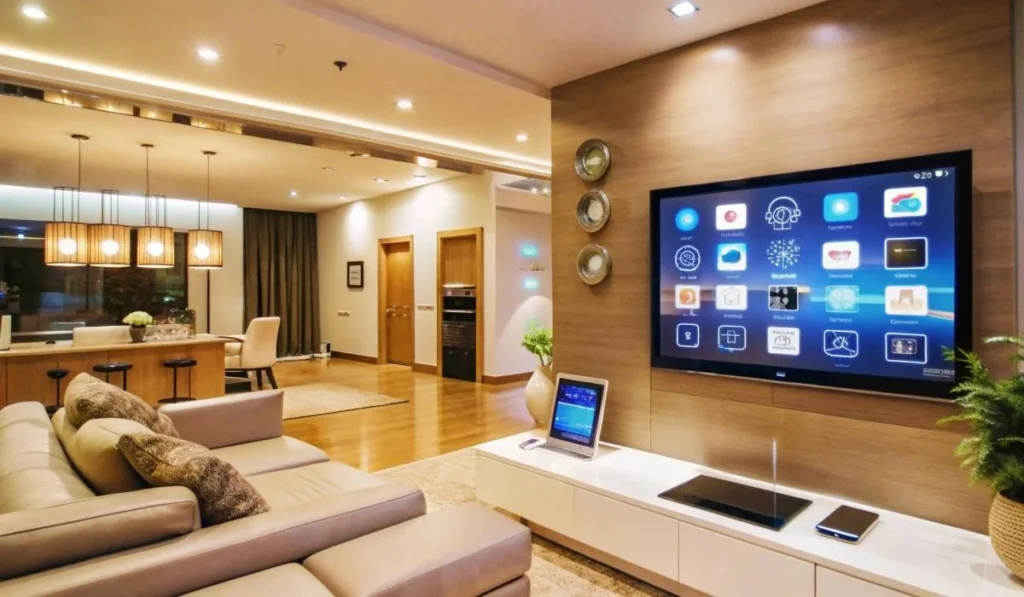
Natural lighting plays a major role, and open floor plans help maximize space. Contemporary homes often include smart technology, sustainable materials, and energy-efficient features that suit today’s lifestyles.
The flexibility of contemporary design makes it one of the most adaptable home interior design styles because it can easily incorporate elements from other design approaches.
Minimalist Interior Design
Minimalism follows the philosophy that less is more. Every object in the room serves a purpose, eliminating unnecessary decoration and visual clutter. The result is a peaceful environment that promotes relaxation and focus.
Minimalist homes often feature white walls, neutral furniture, hidden storage, and simple geometric shapes. Decorative items are carefully selected rather than displayed in large numbers. Quality takes priority over quantity, meaning fewer but better-made furnishings.
Natural materials such as wood, linen, stone, and cotton soften the clean appearance while adding warmth and texture. Proper organization is essential because clutter can quickly disrupt the minimalist aesthetic.
This style works especially well in apartments and smaller homes where maximizing space is important.
Scandinavian Interior Design
Originating in Northern Europe, Scandinavian design has become one of the world’s most loved home interior design styles. It combines simplicity, comfort, and functionality with bright, welcoming interiors.
White walls help maximize natural light during long winters, while light-colored wood flooring creates warmth. Soft gray, cream, and pastel shades complement the neutral palette without making the space feel cold.
Furniture is practical yet elegant, featuring clean lines and natural materials. Cozy textiles such as knitted blankets, wool rugs, and linen curtains create the famous Scandinavian concept of comfort known as hygge.
Indoor plants, simple artwork, and handcrafted accessories complete the design while maintaining a clutter-free appearance.
Traditional Interior Design
Traditional interior design draws inspiration from classic European architecture and timeless craftsmanship. It emphasizes symmetry, elegant furniture, and refined decorative details that never go out of style.
Rich wood finishes, detailed moldings, decorative lighting, patterned fabrics, and luxurious materials define traditional interiors. Colors often include cream, beige, burgundy, navy, forest green, and gold accents.
Furniture pieces feature curved lines, carved wood, and upholstered seating that create a sophisticated atmosphere. Antique accessories, framed artwork, chandeliers, and decorative mirrors further enhance the classic appearance.
Traditional design is perfect for homeowners who appreciate history, elegance, and timeless beauty rather than constantly changing trends.
Transitional Interior Design
Transitional design successfully blends traditional elegance with modern simplicity. It combines the warmth of classic interiors with the clean appearance of contemporary design, creating balanced spaces that appeal to many homeowners.
Neutral colors dominate the palette, while furniture mixes straight and curved lines. Decorative accessories remain limited but carefully selected to add character without creating visual clutter.
This style offers flexibility because it allows homeowners to combine old family heirlooms with modern furniture, resulting in interiors that feel both sophisticated and comfortable.
Industrial Interior Design
Inspired by converted factories and urban warehouses, industrial design celebrates raw materials and unfinished architectural elements.
Exposed brick walls, steel beams, concrete floors, wooden ceilings, and visible pipes become part of the overall design instead of being hidden. Large factory-style windows provide abundant natural light, while leather furniture and reclaimed wood add warmth.
The color palette typically includes gray, black, brown, and deep metallic tones. Vintage lighting fixtures and open shelving reinforce the industrial atmosphere without sacrificing functionality.
Rustic Interior Design
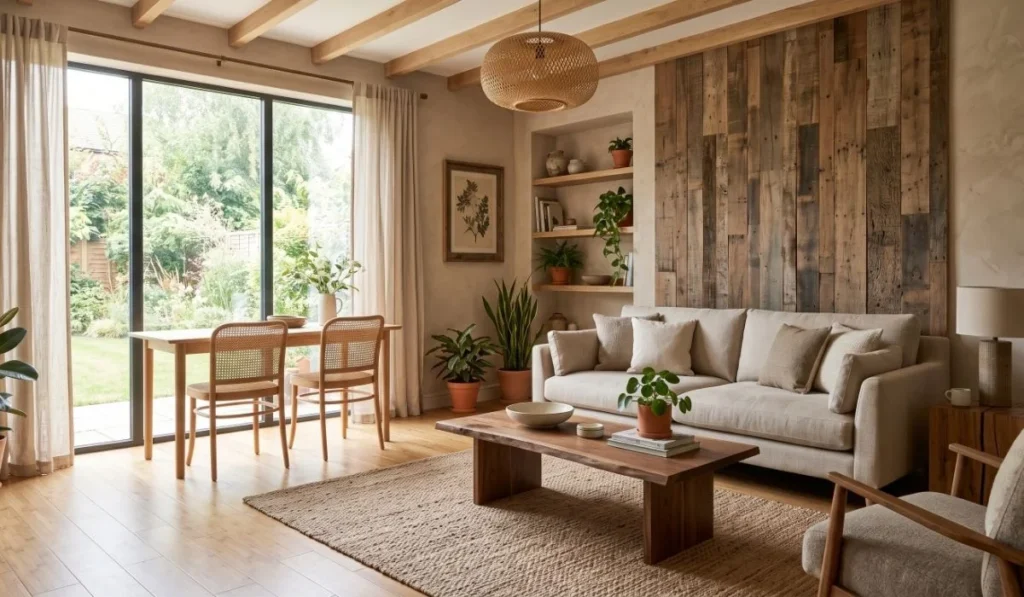
Rustic interior design brings the beauty of nature indoors by using organic materials and handcrafted furnishings. This style creates warm, welcoming spaces that feel connected to the outdoors.
Natural wood beams, stone fireplaces, exposed timber, woven baskets, leather seating, and handmade decorations define rustic interiors. Earth-inspired colors such as brown, green, cream, and warm gray create a relaxing environment.
Rather than polished perfection, rustic homes celebrate natural textures, imperfections, and authentic craftsmanship. This design style works especially well in countryside homes, cabins, mountain retreats, and anyone who enjoys cozy living spaces.
Farmhouse Interior Design
Farmhouse interior design combines rustic charm with modern comfort, creating spaces that feel warm, inviting, and family-friendly. Inspired by traditional country homes, this style focuses on simplicity, practicality, and natural materials while incorporating updated finishes for everyday living.
White or soft neutral walls provide a bright backdrop, while reclaimed wood, shiplap paneling, and exposed beams add character. Comfortable sofas, oversized dining tables, and vintage-inspired furniture create a welcoming atmosphere where family and guests can gather.
Decorative accessories such as woven baskets, ceramic vases, antique clocks, linen curtains, and fresh flowers complete the look. Black metal fixtures and warm wooden accents add contrast without overpowering the space. Farmhouse design remains one of the most popular home interior design styles because it balances timeless charm with modern functionality.
Bohemian Interior Design
Bohemian, often called Boho style, celebrates creativity, individuality, and self-expression. Instead of following strict design rules, it encourages homeowners to mix colors, textures, patterns, and cultural influences to create unique interiors.
Earthy tones such as terracotta, mustard, olive green, and burnt orange are commonly paired with vibrant accent colors. Layered rugs, macramé wall hangings, woven furniture, colorful cushions, and handcrafted décor add warmth and personality.
Indoor plants are an essential feature of Bohemian interiors. Large leafy plants, hanging planters, and natural materials create a relaxed environment inspired by nature. Rather than appearing perfectly organized, Boho spaces feel lived-in, artistic, and full of character.
Coastal Interior Design
Coastal interior design captures the calm and refreshing feeling of living near the ocean. This style focuses on light, airy spaces filled with natural textures and soothing colors that create a peaceful atmosphere.
White, cream, sandy beige, soft blue, and seafoam green dominate the color palette. Natural sunlight is maximized through large windows, while lightweight fabrics such as linen and cotton keep rooms feeling bright and comfortable.
Furniture is often made from wicker, rattan, or light-colored wood. Decorative elements may include woven baskets, seashell-inspired accessories, driftwood, glass vases, and subtle nautical details. The goal is to create a relaxing home that feels fresh without becoming overly themed.
Mid-Century Modern Interior Design
Mid-century modern design continues to influence contemporary homes because of its timeless appeal. Developed during the mid-20th century, this style emphasizes clean lines, functional furniture, and a strong connection between indoor and outdoor living.
Furniture features tapered wooden legs, simple silhouettes, and smooth curves. Natural wood, leather, and metal are combined with bold accent colors such as mustard yellow, teal, olive green, and burnt orange.
Large windows, open floor plans, and minimal decoration allow natural light to become an important part of the design. Mid-century modern interiors are stylish, practical, and suitable for both small apartments and larger family homes.
Luxury Interior Design
Luxury interior design focuses on elegance, quality, and attention to detail. Rather than filling a home with expensive decorations, true luxury emphasizes craftsmanship, premium materials, and thoughtful design.
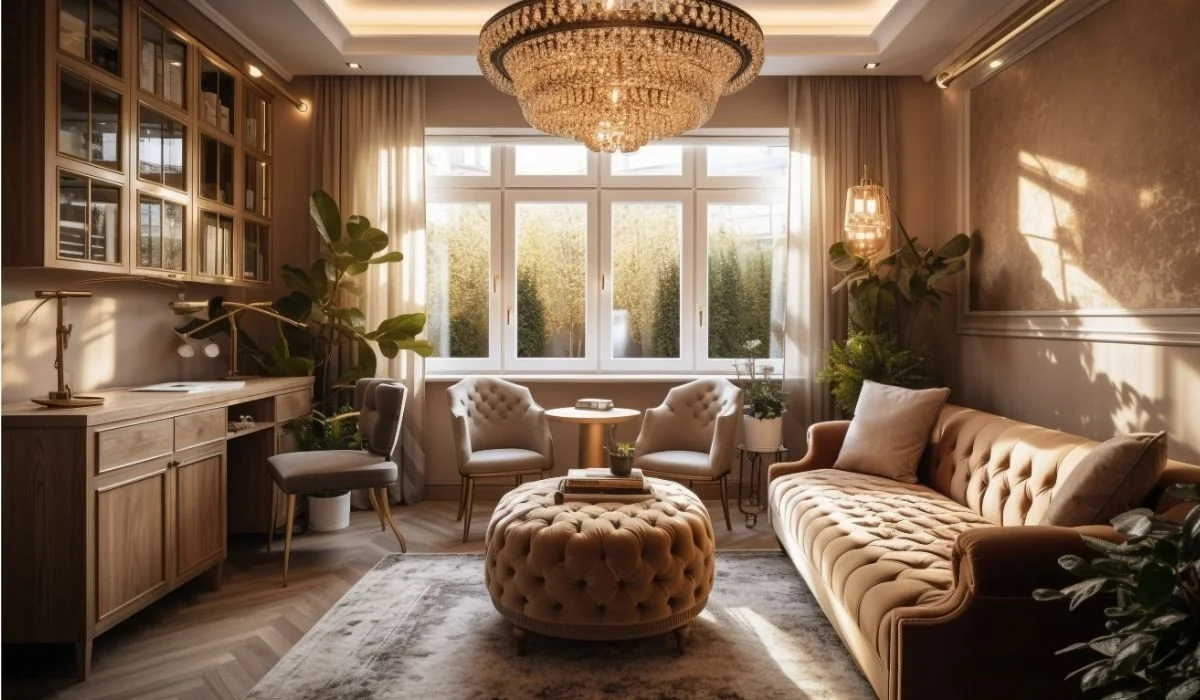
Marble flooring, custom cabinetry, velvet upholstery, crystal chandeliers, and polished metal finishes create a refined atmosphere. Neutral color palettes are often enhanced with gold, bronze, or black accents for added sophistication.
Statement lighting, oversized artwork, and carefully selected furniture become focal points within each room. High-quality finishes and custom-made pieces help create interiors that feel exclusive while remaining comfortable for everyday living.
Eclectic Interior Design
Eclectic design allows homeowners to combine elements from multiple home interior design styles into one cohesive space. Although it appears effortless, successful eclectic interiors require careful planning to maintain balance.
Modern furniture may be paired with vintage accessories, industrial lighting, traditional artwork, or contemporary sculptures. A consistent color palette helps unify different design elements, preventing the room from feeling chaotic.
Layered textures, unique furniture, and meaningful decorative pieces give eclectic homes personality. This style is perfect for people who enjoy collecting art, antiques, or travel souvenirs and want their home to reflect their individual story.
How to Choose the Right Interior Design Style
Selecting the best design style starts with understanding your lifestyle. Families with young children may prefer durable furniture and practical layouts, while individuals who enjoy entertaining may prioritize open living spaces and stylish dining areas.
Consider the architecture of your home before making design decisions. A modern apartment naturally complements contemporary or minimalist interiors, while older homes often suit traditional or farmhouse designs.
Your color preferences also play an important role. If you enjoy bright, airy spaces, Scandinavian or coastal interiors may be ideal. If you prefer rich colors and luxurious textures, traditional or luxury design may be a better fit.
Budget should also influence your choices. Many styles can be achieved without major renovations by updating furniture, lighting, paint colors, and decorative accessories over time.
Can You Combine Different Interior Design Styles?
Yes. Many of today’s most attractive homes successfully blend multiple design styles instead of following only one. Combining styles creates a personalized look that reflects your taste while avoiding spaces that feel overly formal or predictable.
The key is maintaining consistency through color palettes, materials, and proportions. For example, modern furniture pairs beautifully with rustic wooden elements, while Scandinavian interiors often incorporate minimalist décor. Transitional design is another excellent example of combining traditional elegance with contemporary simplicity.
Avoid mixing too many contrasting styles within the same room. Choosing one primary style and adding carefully selected elements from another creates a balanced and visually appealing result.
Interior Design Tips for Every Room
Every room serves a different purpose, so your design choices should support how the space is used.
For the living room, focus on comfortable seating, layered lighting, and a clear focal point such as a fireplace or entertainment unit.
Bedrooms should promote relaxation through soft colors, quality bedding, and minimal clutter.
Kitchens benefit from practical storage, durable materials, and efficient layouts that simplify everyday tasks.
Bathrooms can feel more luxurious with natural stone, elegant lighting, and organized storage solutions.
Home offices should prioritize functionality with ergonomic furniture, sufficient lighting, and organized workspaces that improve productivity.
Common Mistakes to Avoid When Decorating Your Home
Even the most beautiful home interior design styles can lose their appeal if they are not planned carefully. Avoiding a few common decorating mistakes will help you create a space that looks balanced, functional, and comfortable.
Following Trends Without Considering Your Lifestyle
Trendy interiors may look impressive on social media, but they are not always practical for everyday living. Before choosing a design style, think about how you use your home. Families with children or pets may need durable furniture and easy-to-clean materials, while those who work from home may prioritize comfort and functionality over decorative features.
Choosing the Wrong Color Palette
Color has a significant impact on the overall atmosphere of a room. Dark colors can make small spaces feel cramped, while overly bright colors may become overwhelming over time. Selecting a balanced color palette that complements your furniture, flooring, and lighting creates a more harmonious interior. Neutral shades are often a safe foundation because they allow you to introduce color through artwork, cushions, rugs, and accessories.
Buying Furniture Before Planning the Layout
Many homeowners purchase furniture simply because they like its appearance without considering room size or layout. Oversized furniture can make a room feel crowded, while pieces that are too small may leave the space looking unfinished. Measure your rooms carefully before shopping and leave enough space for comfortable movement between furniture.
Ignoring Lighting
Lighting is one of the most overlooked aspects of interior design. A single ceiling light is rarely enough to create a warm and inviting atmosphere. Instead, combine ambient lighting, task lighting, and accent lighting to improve both functionality and visual appeal. Table lamps, floor lamps, wall sconces, and pendant lights work together to create depth and highlight important design features.
Adding Too Many Decorative Accessories
Accessories help personalize a home, but too many decorations can create visual clutter. Instead of filling every shelf and table, choose a few meaningful pieces that complement your design style. Well-placed artwork, decorative vases, plants, or sculptures often have a greater impact than an overcrowded display.
Forgetting Comfort
A beautifully designed room should also be comfortable. Stylish furniture that is uncomfortable to use will quickly become a disappointment. Soft seating, supportive mattresses, quality fabrics, and practical layouts ensure your home is both attractive and enjoyable to live in.
Home Interior Design Trends for 2026
Interior design continues to evolve, but the biggest trend in 2026 is creating homes that feel personal rather than perfectly staged. Homeowners are choosing timeless designs that combine beauty with everyday functionality.
Nature-Inspired Interiors
Natural materials remain highly popular. Wood, stone, linen, bamboo, and rattan create warm, welcoming interiors while strengthening the connection between indoor and outdoor spaces.
Sustainable Design
Eco-friendly materials, recycled furniture, energy-efficient lighting, and locally made décor are becoming increasingly important. Sustainable design not only benefits the environment but also creates healthier living spaces.
Earth-Tone Color Palettes
Warm neutral colors such as beige, clay, olive green, sand, terracotta, and soft brown continue to replace cool gray interiors. These shades create a calming atmosphere that works with many different home interior design styles.
Smart Home Integration
Technology is becoming a seamless part of interior design. Smart lighting, automated curtains, voice-controlled appliances, and energy-efficient systems improve convenience while maintaining a clean and modern appearance.
Personalized Spaces
Rather than copying showroom interiors, homeowners are creating spaces that reflect their hobbies, travel experiences, family history, and personal collections. This shift makes homes feel more authentic and welcoming.
How to Maintain Your Interior Design Style
Maintaining a beautiful home requires regular care rather than frequent renovations. Clean surfaces, organize storage, and remove unnecessary clutter to preserve the overall appearance of your space.
Refresh decorative accessories seasonally by changing cushions, rugs, artwork, or plants instead of replacing major furniture pieces. This keeps your home feeling updated without significant expense.
Investing in high-quality furniture also reduces long-term maintenance costs. Durable materials often last for many years while maintaining their appearance with proper care.
Conclusion
Choosing the right home interior design styles is about creating a home that reflects your personality while supporting your daily lifestyle. Whether you prefer the clean simplicity of modern interiors, the warmth of farmhouse design, the elegance of traditional spaces, or the creativity of Bohemian décor, every style offers unique features that can transform your living environment.
The best interiors are those that balance beauty, comfort, and functionality. Instead of following every new trend, focus on timeless design principles, quality materials, thoughtful layouts, and meaningful decorative elements. With careful planning and attention to detail, you can create a home that feels welcoming, stylish, and enjoyable for years to come.
FAQs
What is the most popular home interior design style?
Modern, Scandinavian, and contemporary styles remain among the most popular because they combine simplicity, comfort, and functionality.
Which interior design style is best for small homes?
Minimalist and Scandinavian designs work especially well in smaller spaces because they maximize natural light, reduce clutter, and make rooms feel larger.
Can I mix different interior design styles?
Yes. Combining compatible styles can create a unique and personalized home. The key is maintaining a consistent color palette and balancing furniture, materials, and decorative elements.
How do I know which interior design style suits me?
Consider your lifestyle, favorite colors, furniture preferences, and the architecture of your home. Looking at inspiration photos and identifying recurring design elements can also help you discover your preferred style.
Are neutral colors always the best choice?
Neutral colors provide a versatile foundation, but they do not have to dominate every room. Accent colors, artwork, textiles, and decorative accessories can add personality while maintaining balance.