How to Deep Clean Plank Flooring Livpristhome: A Complete Guide
Plank flooring can give your home a clean and attractive appearance. However, regular sweeping and quick mopping may not be enough to remove the dirt that builds up over time. Dust can collect in corners, grime can stick to the surface, and spills may leave marks if they are not cleaned properly.
Learning how to deep clean plank flooring livpristhome can help you keep your floors looking fresh while protecting them from unnecessary damage. The right cleaning method depends on the type of plank flooring you have. Some floors can handle more moisture than others, so it is important to avoid using too much water or harsh cleaning products.
With a simple routine and the right tools, you can deep clean plank flooring without making the process complicated.
Why Deep Cleaning Plank Flooring Matters
Plank floors receive a lot of daily traffic. Shoes, pets, food, dust, and everyday activities can gradually leave dirt on the surface.
Regular cleaning removes loose dirt, but deep cleaning focuses on the grime that normal cleaning may leave behind.
Deep cleaning can help:
- Remove built-up dirt
- Reduce stains and marks
- Improve the appearance of the floor
- Remove dust from difficult areas
- Keep the flooring in better condition
- Prevent dirt from becoming harder to remove
The key is to clean thoroughly without damaging the finish or allowing excess moisture to sit on the floor.
What You Need Before Cleaning
Before starting your plank floor cleaning routine, gather the necessary supplies.
You may need:
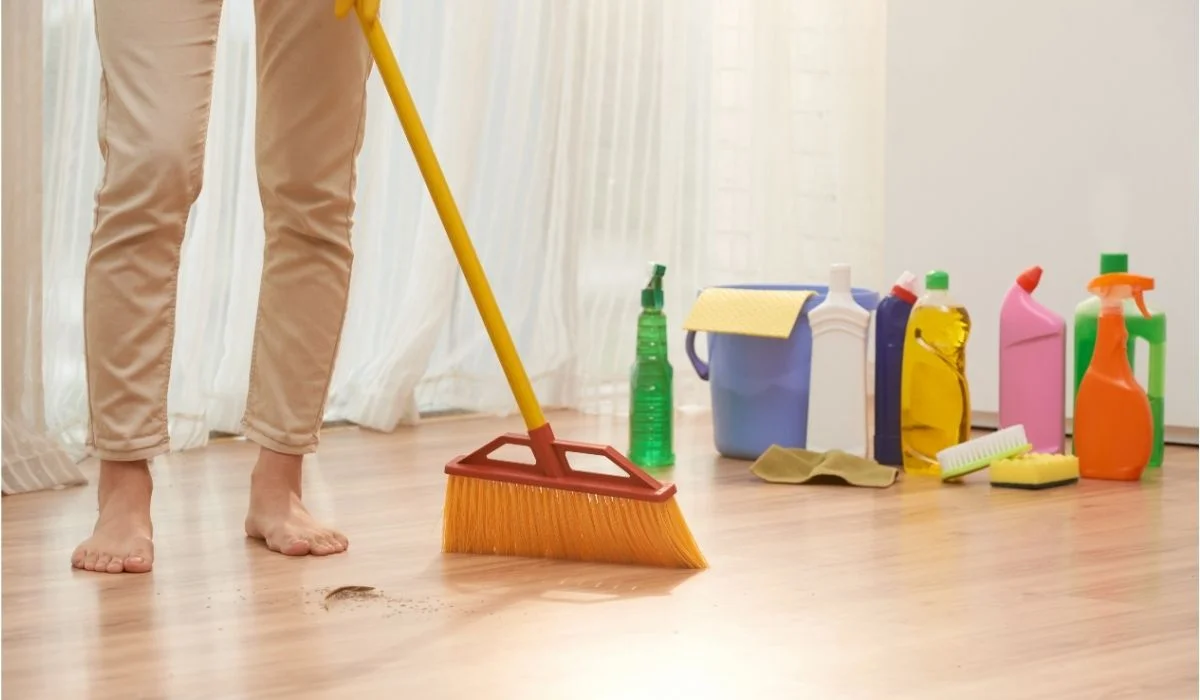
- A soft-bristle broom
- Vacuum cleaner with a suitable floor attachment
- Microfiber mop
- Bucket
- Warm water
- Flooring-safe cleaning solution
- Microfiber cloths
- Soft cleaning brush
- Dry towel
Avoid using abrasive scrubbers or rough brushes. They can leave scratches on some types of plank flooring.
Always check the manufacturer’s cleaning instructions before using a new product.
Step 1: Remove Furniture and Loose Items
The first step in how to deep clean plank flooring livpristhome is preparing the room.
Remove small furniture, rugs, toys, baskets, and other items from the floor. If possible, move larger furniture temporarily so you can reach areas that are normally hidden.
This allows you to clean the entire floor instead of only the visible sections.
If you cannot move heavy furniture, clean carefully around it and use a narrow attachment to remove dust from underneath.
Step 2: Remove Loose Dirt and Dust
Before using any liquid cleaner, remove loose dirt from the floor.
Sweep the entire area with a soft broom or vacuum it using a floor-safe attachment. Pay extra attention to corners, edges, and spaces under furniture.
Do not skip this step. Dirt particles can act like tiny pieces of grit when you mop, which may cause scratches as they move across the surface.
For daily maintenance, regular sweeping or vacuuming can also help reduce the amount of dirt that eventually requires deep cleaning.
Step 3: Clean the Edges and Corners
Edges often collect more dirt than the center of the floor.
Use a soft microfiber cloth or a soft brush to clean along walls and in corners. If there is visible buildup, slightly dampen the cloth and gently wipe the area.
Do not pour water directly onto the floor.
For narrow gaps between planks, avoid forcing water into the joints. Excess moisture can cause problems with certain types of flooring.
Step 4: Choose the Right Cleaning Solution
The cleaning product you use should be suitable for your particular plank flooring.
Some plank floors are designed to tolerate damp cleaning, while others require very little moisture. Always read the flooring manufacturer’s instructions first.
A flooring-safe cleaner is usually a better choice than a strong household chemical.
Avoid using products containing harsh ingredients unless the flooring manufacturer specifically recommends them.
You should also avoid mixing different cleaning chemicals.
Step 5: Mop the Floor Carefully
Use a microfiber mop that has been thoroughly wrung out.
The mop should be damp rather than soaking wet. Too much water can enter seams or remain on the surface for too long.
Work in small sections and move the mop gently across the planks.
If possible, follow the direction of the flooring rather than scrubbing back and forth aggressively.
Rinse the mop regularly so that you are not spreading dirty water across the floor.
Step 6: Focus on Stubborn Dirt
Some areas may need extra attention.
If you notice dried food, sticky marks, or other stubborn dirt, do not immediately use a rough scrubber. Instead, dampen a microfiber cloth and gently work on the area.
Allow the cleaning solution to loosen the dirt rather than applying excessive pressure.
For particularly difficult stains, use a product that is specifically recommended for your flooring type.
If you are unsure whether a cleaner is safe, test it on a small hidden area first.
Step 7: Dry the Flooring
After mopping, allow the floor to dry properly.
You can improve drying by opening windows or turning on suitable ventilation. If there is visible moisture, wipe it away with a clean microfiber cloth.
Do not leave puddles or wet patches sitting on plank flooring.
Proper drying is an important part of deep cleaning plank floors because standing moisture can damage some flooring materials.
How to Clean Plank Floors Without Damaging Them
One of the biggest mistakes people make when cleaning plank flooring is using too much water.
More water does not necessarily mean a cleaner floor. In fact, excessive moisture can cause problems depending on the construction and finish of the flooring.
Use a damp mop instead of a soaking wet one. Clean spills quickly and avoid allowing water to remain on the surface.
It is also important to choose soft cleaning tools. Avoid steel wool, rough brushes, and abrasive pads.
How to Remove Stains From Plank Flooring
Different stains may require different approaches.
Food and Drink Spills
Clean spills as soon as possible with a damp microfiber cloth. This prevents the liquid from drying and becoming harder to remove.
Grease
Use a small amount of flooring-safe cleaner on a cloth or mop. Avoid applying excessive liquid.
Mud
Allow heavy mud to dry if necessary, then remove the loose material carefully before cleaning the remaining mark.
Sticky Residue
Use a damp cloth and gently work on the affected area. Avoid scraping aggressively because sharp objects can damage the finish.
For unknown or difficult stains, follow the flooring manufacturer’s recommendations.
Common Mistakes When Cleaning Plank Flooring
Knowing what not to do is just as important as knowing what to do.
Using Too Much Water
Excess moisture can enter seams and may damage some types of plank flooring.
Using Harsh Chemicals
Strong cleaners may affect the finish or appearance of the floor.
Scrubbing Too Hard
Aggressive scrubbing can leave scratches or dull the surface.
Using the Wrong Vacuum Attachment
A hard or unsuitable attachment may scratch certain floors.
Ignoring Spills
Leaving spills for too long can result in stains or sticky residue.
Skipping Regular Cleaning
Deep cleaning becomes much easier when dust and dirt are removed regularly.
Best Way to Clean Plank Flooring Regularly
Deep cleaning should not replace regular maintenance.
For everyday care, remove dust and loose dirt frequently. Sweep or vacuum when needed, especially in busy areas.
Clean spills immediately instead of waiting until your regular cleaning day.
Use mats near entrances to reduce the amount of dirt brought inside. You can also use protective pads under furniture legs to help prevent scratches.
These simple habits can reduce the need for heavy cleaning.
Plank Floor Maintenance Tips
Good maintenance can help keep your flooring looking better for longer.
Here are some useful tips:
- Clean spills quickly
- Sweep regularly
- Use soft cleaning tools
- Avoid excessive water
- Follow the manufacturer’s instructions
- Use suitable floor cleaners
- Place mats near entrances
- Use furniture pads
- Keep pet nails trimmed if you have pets
- Avoid dragging heavy furniture across the floor
Small habits can make a significant difference over time.
How Often Should You Deep Clean Plank Flooring?
There is no single schedule that works for every home.
Homes with children, pets, or heavy foot traffic may require more frequent deep cleaning. A home with fewer occupants may need it less often.
Regular cleaning should be done as needed, while a deeper cleaning can be performed when you notice buildup, dullness, or areas that normal cleaning does not completely remove.
The important thing is to avoid waiting until dirt becomes difficult to remove.
Can You Use a Steam Mop on Plank Flooring?
Be careful with steam cleaners.
Steam and high heat can affect certain types of plank flooring. Some manufacturers may allow specific steam cleaning methods, while others recommend avoiding steam completely.
Before using a steam mop, check the manufacturer’s instructions for your exact flooring.
If the instructions do not recommend steam cleaning, choose a safer damp-mopping method instead.
How to Keep Plank Flooring Looking New
Keeping floors clean is only part of proper maintenance.
Protect high-traffic areas with suitable rugs or mats. Avoid dragging furniture when moving it. Lift furniture instead or use appropriate protective pads.
Keep your floors free from small stones and dirt that can scratch the surface.
It is also helpful to maintain a consistent cleaning routine rather than using aggressive cleaning methods only when the floor becomes very dirty.
When Should You Replace Plank Flooring?
Cleaning can improve the appearance of dirty flooring, but it cannot repair every type of damage.
If your floor has severe scratches, major water damage, loose planks, significant warping, or other structural problems, cleaning may not solve the issue.
In such cases, inspect the affected area and follow the flooring manufacturer’s repair or replacement recommendations.
Conclusion
Understanding how to deep clean plank flooring livpristhome can help you maintain a cleaner and more attractive home. The process does not need to be complicated.
Start by removing furniture and loose dirt. Vacuum or sweep the floor carefully, clean the edges, use a flooring-safe cleaner, and mop with a well-wrung microfiber mop. Always avoid excessive water and harsh cleaning products unless they are approved for your flooring.
Regular maintenance is just as important as deep cleaning. By removing dirt frequently, cleaning spills quickly, and protecting the floor from scratches, you can help maintain its appearance for years.
The safest approach is always to follow the manufacturer’s instructions because different plank flooring products can have different cleaning requirements.
FAQs
What is the best way to deep clean plank flooring?
Start by vacuuming or sweeping the floor. Then use a suitable flooring cleaner with a damp microfiber mop. Avoid excessive water and dry any remaining moisture promptly.
Can I use vinegar to clean plank flooring?
Do not assume vinegar is safe for every type of plank flooring. Check the manufacturer’s recommendations before using acidic cleaners.
How do I remove stubborn dirt from plank floors?
Use a flooring-safe cleaner and a soft microfiber cloth or mop. Work gently on the affected area instead of using abrasive tools.
Can I use a steam mop on plank flooring?
It depends on the flooring product. Check the manufacturer’s instructions before using steam or high heat.
How can I prevent plank flooring from getting dirty?
Sweep or vacuum regularly, clean spills quickly, use entrance mats, and avoid dragging furniture across the floor.
How often should plank flooring be deep cleaned?
The frequency depends on foot traffic, pets, children, and the amount of dirt in your home. Deep clean when regular cleaning no longer removes visible buildup.