Interior Home Improvements Mintpalment: Practical Ideas for a Better Home
A home should be comfortable, useful, and welcoming. Over time, however, your interior can start to look old or may no longer suit your daily needs. Furniture can become worn, storage may become difficult, and some rooms may need a fresh look.
Interior home improvements mintpalment can help you make your living space more comfortable and attractive without changing everything at once. From fresh wall colors and better lighting to kitchen upgrades and smarter storage, small improvements can make a noticeable difference.
You do not always need a large budget for a better home. With careful planning, simple changes can improve the appearance and functionality of almost any room.
What Are Interior Home Improvements?
Interior home improvements are changes made inside a home to improve its appearance, comfort, functionality, or overall condition.
Some projects are simple and affordable. Painting a wall, replacing cabinet handles, changing curtains, or adding shelves can quickly refresh a room. Larger projects may include replacing flooring, updating a kitchen, renovating a bathroom, or changing the layout of a space.
The right improvement depends on what your home needs and how you use each room.
Why Are Interior Improvements Important?
Your home should work well for your everyday life. When a room is poorly organized or outdated, even small problems can become frustrating.
Well-planned improvements can provide several benefits:
- Make rooms more comfortable
- Improve storage
- Create better use of available space
- Give outdated areas a fresh appearance
- Improve lighting
- Make cleaning and maintenance easier
- Create a more modern interior
- Increase the overall appeal of your home
The best approach is to focus on improvements that provide both practical and visual benefits.
Best Interior Home Improvement Ideas
There are many ways to improve your home without starting an expensive renovation. The following home interior improvement ideas can work for different room sizes and budgets.
1. Refresh Your Walls
Painting is one of the easiest ways to change the appearance of a room.
A fresh coat of paint can make walls look cleaner and brighter. Light colors can make smaller spaces feel more open, while warm colors can create a comfortable atmosphere.
You can also choose one wall for an accent color. This gives the room personality without requiring you to repaint every wall.
Before selecting a color, consider your furniture, flooring, natural light, and overall style.
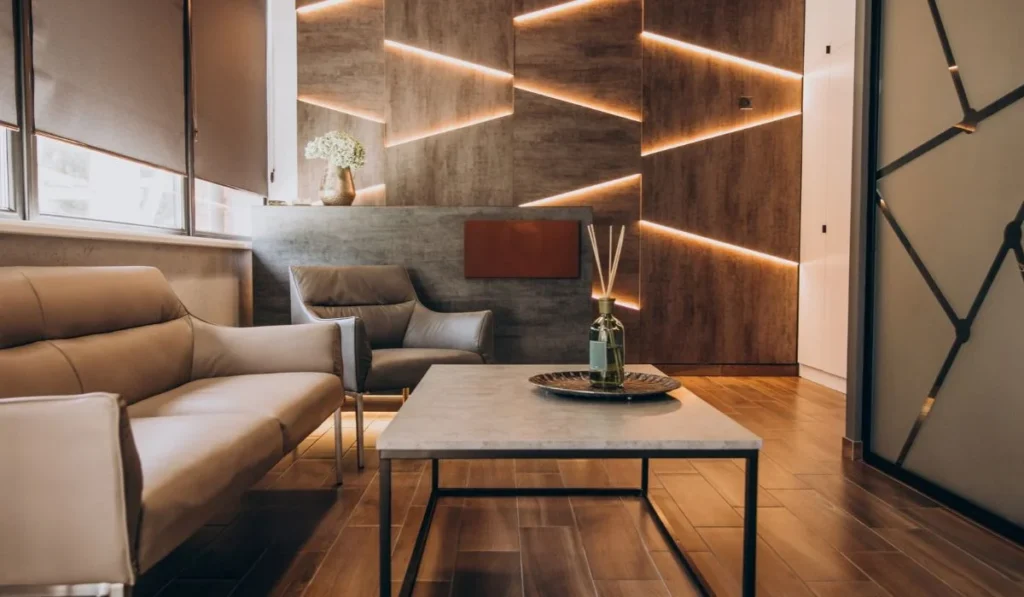
2. Improve the Lighting
Good lighting can completely change the feeling of an interior.
If your room looks dark, consider adding floor lamps, table lamps, wall lights, or updated ceiling fixtures. Different light sources can also make rooms more functional.
Natural light is important as well. Keep windows clean and avoid blocking them with large furniture.
Changing outdated light fixtures is a simple way to give a home a more modern appearance.
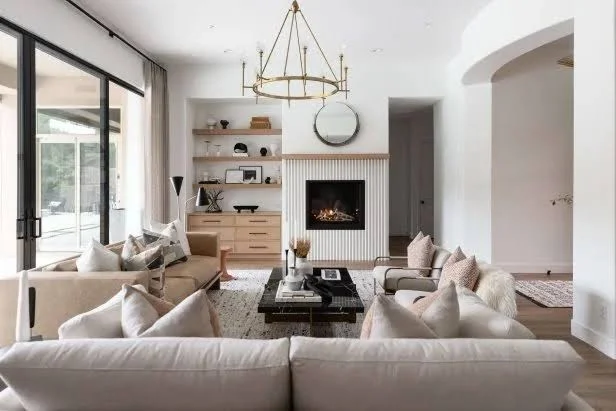
3. Upgrade the Living Room
The living room is usually one of the most frequently used areas of a home. It should provide comfortable seating while leaving enough space for movement.
Before buying new furniture, try changing the existing layout. Moving a sofa or chair may improve the room without costing anything.
You can also add a new rug, cushions, curtains, or artwork. These small living room improvements can create a fresh look without replacing everything.
Avoid overcrowding the space. A simple layout often feels more comfortable and modern.
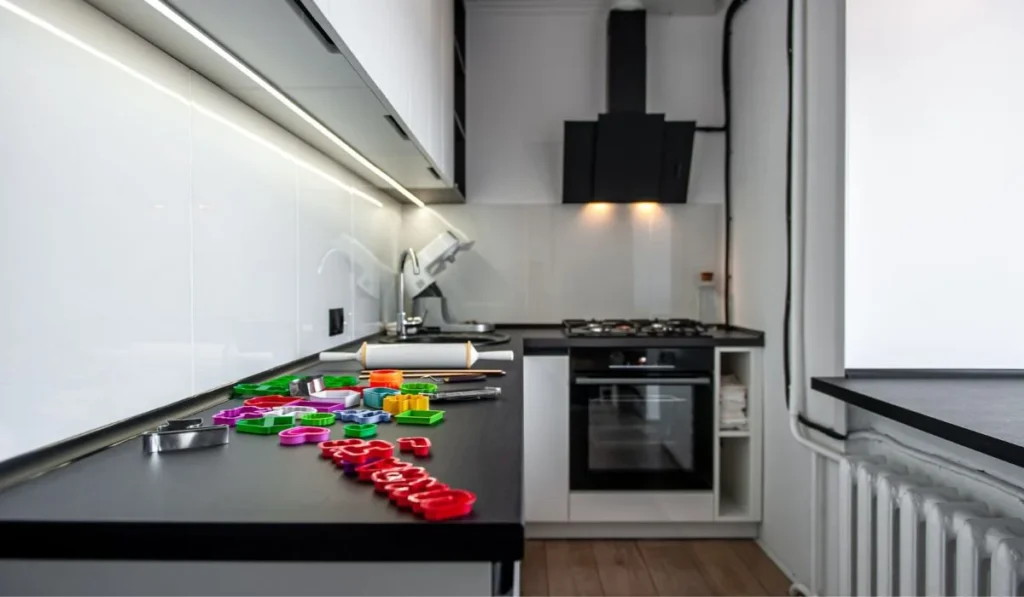
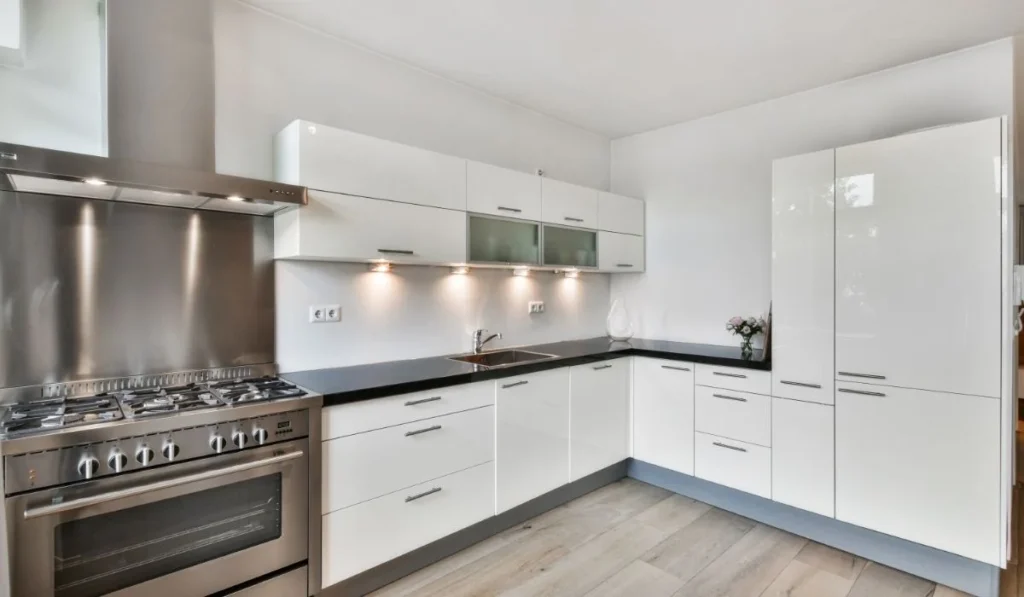
4. Give the Kitchen a Fresh Look
The kitchen is another important area for interior renovation ideas.
A complete kitchen renovation can be expensive, but smaller updates can still create a noticeable change.
Consider repainting cabinets, replacing handles, improving lighting, adding shelves, or changing the backsplash.
Organization is equally important. Use containers and drawer organizers to keep frequently used items easy to find.
If your existing cabinets are still in good condition, updating their appearance may be more practical than replacing them completely.
5. Create a Comfortable Bedroom
Your bedroom should feel calm and relaxing. You do not need to spend a lot of money to improve it.
Start with the bed. New bedding, pillows, and a soft throw can change the overall appearance of the room.
You can also add bedside lighting and choose colors that create a peaceful atmosphere.
For small bedrooms, choose furniture that provides additional storage. A bed with drawers underneath can help keep belongings organized without taking up extra floor space.
6. Improve Bathroom Storage
Bathrooms often have limited space, so organization is important.
Add wall-mounted shelves, cabinets, baskets, or other storage solutions to keep everyday items organized.
Replacing an old mirror or light fixture can also give the bathroom a more updated appearance.
For larger home improvement projects, you may consider replacing outdated tiles, fixtures, or damaged surfaces. Choose materials that can handle moisture and are easy to maintain.
7. Add Smart Storage Solutions
Poor storage can make even a large home feel crowded.
Adding practical storage is one of the most useful affordable home improvements. Floating shelves, storage baskets, built-in cabinets, and multi-purpose furniture can help keep rooms organized.
Use vertical space when possible. Wall-mounted storage can provide extra space without reducing the available floor area.
Storage should make everyday items easier to access rather than simply hiding clutter.
8. Update the Flooring
Flooring has a major impact on the appearance of an interior.
If your existing floor is damaged or worn, replacing it can make a room look completely different. Popular options include hardwood, laminate, vinyl, tile, and carpet.
The best choice depends on the room and your lifestyle. Bathrooms and kitchens need materials that can handle moisture, while bedrooms may benefit from warmer flooring.
If replacing all the flooring is too expensive, start with the rooms that need the most attention.
9. Replace Old Hardware
Small details can have a surprisingly large impact.
Old door handles, cabinet pulls, drawer knobs, and other hardware can make an interior look dated. Replacing them with modern designs is usually simple and relatively affordable.
Try to use finishes that work well together throughout the home. Consistent details can make the interior feel more polished.
10. Use Mirrors and Decorative Elements
Mirrors can be especially useful in smaller rooms. They reflect light and can make a space appear brighter and more open.
You can also add artwork, plants, rugs, cushions, and other decorative pieces.
However, avoid adding too many items. A few carefully selected pieces can have a stronger effect than a room filled with decoration.
Budget-Friendly Interior Improvements
You do not need a large budget to make your home look better.
If you are searching for budget home improvements, start with simple changes that provide a noticeable result.
Painting is often one of the most affordable options. You can also update curtains, cushions, rugs, lamps, and small accessories.
Decluttering is another free improvement. Removing items you no longer use can make rooms feel larger and more organized.
Instead of upgrading the entire home at once, choose one room and complete it before moving to the next.
Modern Interior Design Tips
Modern interiors often focus on simplicity, functionality, and clean spaces.
You can create a modern look by choosing furniture with simple shapes, using a consistent color palette, and avoiding unnecessary decoration.
Good lighting and practical storage also contribute to a modern interior.
You do not need to follow every design trend. Choose features that fit your lifestyle and will continue to work for you over time.
Small Home Improvements That Make a Big Difference
Some of the most useful improvements are surprisingly small.
Replacing old curtains can change the appearance of a room. New lighting can make dark areas more comfortable. A different furniture arrangement can improve movement through a space.
Adding shelves can solve storage problems, while fresh paint can make an entire room feel new.
These small home improvements are useful when you want noticeable results without taking on a major renovation.
How to Plan an Interior Improvement Project
Planning before starting can help you avoid unnecessary costs.
Identify the Problem
Walk through your home and decide which areas need improvement. Separate necessary repairs from decorative changes.
Set a Budget
Create a realistic budget and keep some money available for unexpected expenses.
Choose Priorities
Start with repairs and functional problems before focusing on decoration.
Measure the Space
Measure rooms before purchasing furniture, shelves, rugs, or other large items.
Select Materials Carefully
Choose materials based on durability, maintenance, and how the room will be used.
Work One Room at a Time
Completing one area before moving to another can make the project easier to manage.
Common Mistakes to Avoid
Interior improvements can become expensive when projects are not properly planned.
One common mistake is buying furniture without measuring the room. Large pieces can make small rooms feel cramped.
Another mistake is focusing only on appearance. A room should look attractive but also be comfortable and practical.
Using too many colors or decorative items can also make an interior feel busy.
It is better to choose a simple design and add a few elements that create personality.
Should You Do It Yourself or Hire a Professional?
Many basic projects can be completed yourself. Painting, decorating, organizing, and replacing simple hardware are examples of tasks that may not require professional assistance.
However, complicated work should be handled carefully. Electrical work, major plumbing changes, structural modifications, and other specialized projects may require a qualified professional.
Getting expert help for complex projects can prevent mistakes and improve safety.
How to Make Interior Improvements Last
Good maintenance is important after completing an upgrade.
Clean surfaces regularly and follow the care instructions for flooring, furniture, and other materials.
Avoid using harsh cleaning products on surfaces that require special care.
Repair small problems as soon as you notice them. A minor issue can become more expensive when it is ignored for too long.
Choosing durable materials from the beginning can also reduce future maintenance.
Conclusion
Interior home improvements mintpalment can be a practical way to create a more comfortable, organized, and attractive home. You do not have to complete a major renovation to see meaningful results.
Simple changes such as painting walls, improving lighting, updating furniture, adding storage, and refreshing the kitchen or bedroom can transform the way your home feels.
The most important step is to plan carefully. Consider your budget, lifestyle, available space, and long-term needs before starting a project.
Whether you choose small updates or larger renovations, focus on improvements that make your home easier and more enjoyable to live in.
FAQs
What are the easiest interior home improvements?
Painting, changing lighting, updating curtains, replacing hardware, rearranging furniture, and adding storage are some of the easiest improvements.
How can I improve my home on a small budget?
Start with affordable changes such as painting, decluttering, changing light fixtures, adding shelves, and updating small decorative items.
Which room should I improve first?
Start with the room that you use most or the one that has the biggest functional problems. For many homes, this may be the living room or kitchen.
How can I make a small room look bigger?
Use suitable furniture sizes, keep walkways clear, use light colors, improve natural lighting, and consider adding mirrors.
Are interior improvements worth the cost?
Well-planned improvements can improve comfort, functionality, and the overall appeal of a home. Focus on changes that solve real problems rather than unnecessary upgrades.
Do I need a professional for interior improvements?
Simple decorating and maintenance tasks can often be done yourself. Electrical, structural, plumbing, and other specialized work may require a qualified professional.